This is Satire
This article is 100% fictional and intended for entertainment purposes only. Any resemblance to real events is purely coincidental.
Websites now ask if you consent to seeing fewer consent requests about cookies
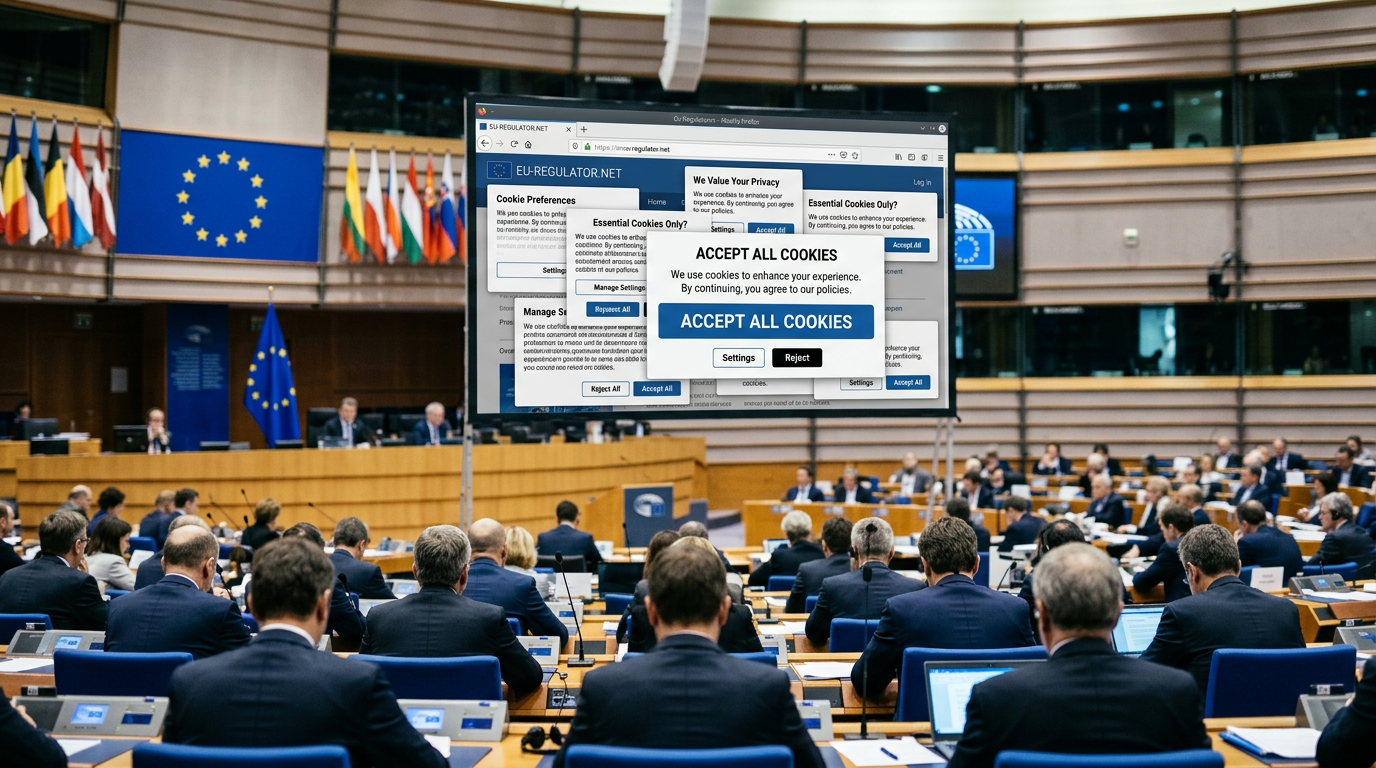
As Brussels weighs a ban on cookie banners, websites are quietly deploying a new pre-banner layer asking users to approve how often they want to approve things, backed by a projected €3.7 billion consent-management-consent market.

Get featured on 500+ media outlets
Guaranteed placement, no PR experience needed.
European websites have begun rolling out a new layer of consent prompts asking users to agree to receiving fewer consent prompts about cookies, in a development privacy experts say is logically consistent and operationally circular. The practice follows informal guidance from EU regulators suggesting that users should have a choice in how often they are asked to confirm they want choices.
“"According to our data, 73% of users told us they wanted fewer banners, and 91% consented to being asked that question repeatedly until they were sure," a spokesperson for a large e-commerce platform said.”
Under the emerging approach, first-time visitors are greeted with a pre-banner banner, requesting permission to store a "consent frequency preference cookie" before loading the main cookie consent interface. "We ask for your consent only to manage your future consents," a standard template drafted by an industry consortium reads.
An internal memo from one major European publisher seen by reporters states that the new system could reduce visible consent banners by up to 12.5%, while increasing underlying consent events by 340%. The memo notes that users who opt out of reduced consent prompts will instead receive a detailed explanation, spanning 19 screens, of why they are being asked so often.
Website owners say the change is driven by user demand. "According to our data, 73% of users told us they wanted fewer banners, and 91% consented to being asked that question repeatedly until they were sure," a spokesperson for a large e-commerce platform said.
Analysts at McKinsey estimate that European internet users now spend an average of 11 minutes per day interacting with cookie-related prompts, up from 7 minutes before the introduction of consent-frequency controls. A separate study by a Brussels-based think tank found that 62% of respondents were "not entirely sure" which layer of consent they had just given.
EU regulators have signaled they are monitoring the situation closely. In a draft discussion paper, officials proposed a standard "meta-consent" framework that would allow citizens to opt in, once, to a unified model governing all future opt-ins, subject to periodic re-confirmation every 17 days.
Lawmakers are expected to hold hearings later this year on whether to ban cookie banners, replace them with browser-level controls, or introduce a dedicated "no preference" preference option to capture users who are indifferent to how their indifference is recorded. Industry groups have warned that any abrupt changes could disrupt the emerging market for consent-management-consent platforms, projected to reach €3.7 billion by 2028.