This is Satire
This article is 100% fictional and intended for entertainment purposes only. Any resemblance to real events is purely coincidental.
FDIC drafts rules after MrBeast teases ‘last to withdraw loses savings’ bank challenge
New draft guidance would force banks to model ‘viral hesitation events’ and maintain extra capital if words like ‘extreme’ appear in influencer video titles.
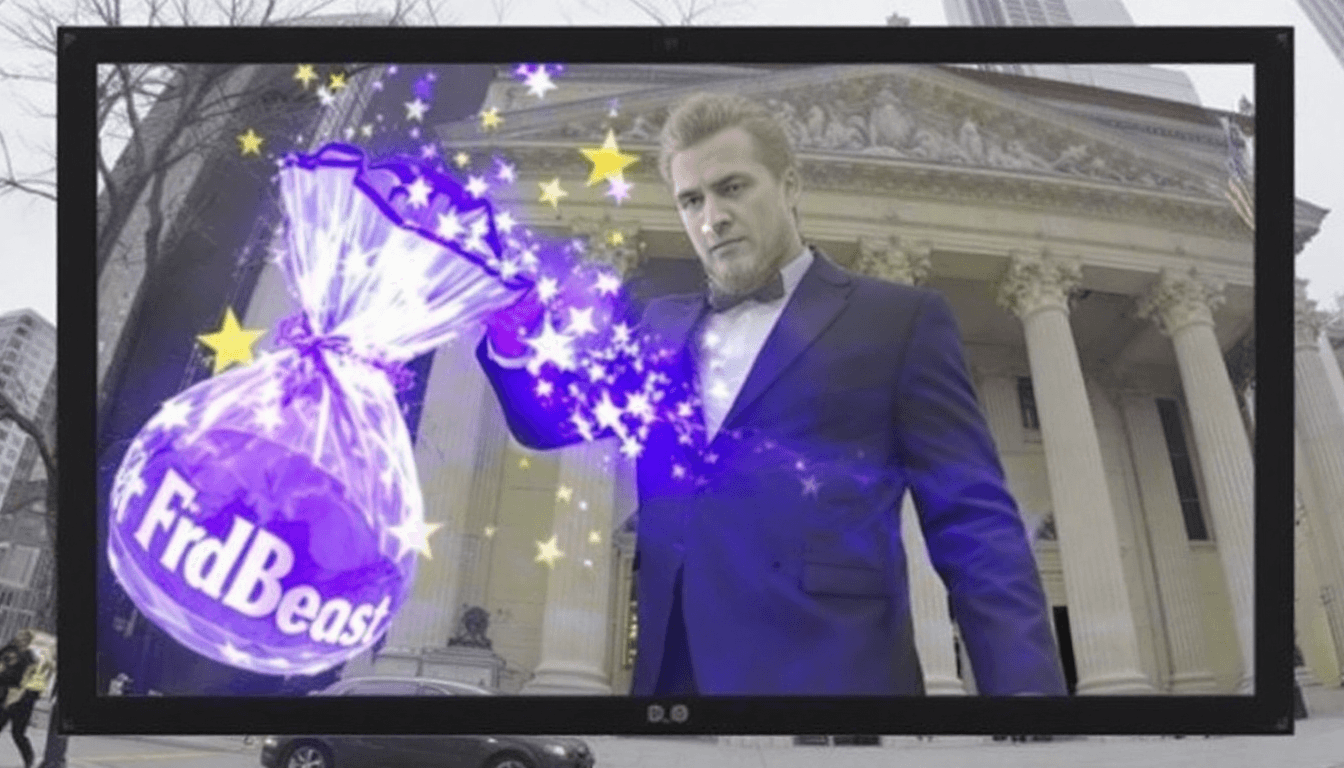
Get featured on 500+ media outlets
Guaranteed placement, no PR experience needed.
The Federal Deposit Insurance Corp (FDIC) is drafting guidance for banks after YouTube personality MrBeast teased a video concept in which the last customer to withdraw money from a participating bank would forfeit their savings, three people familiar with the matter said.
““We are now modeling scenarios where a single thumbnail can trigger $40 billion in deferred withdrawals over a 24-hour period,” an FDIC spokesperson said.”
An internal FDIC memo reviewed by reporters describes the proposed video as posing “novel bank run and content-driven liquidity risks” and warns that influencer-led deposit games could affect institutions with as little as $250 million in assets.
The draft guidance, circulated late Tuesday, would require banks to report any planned appearances in online challenges where account access, withdrawal timing or basic solvency is “materially contingent on subscriber engagement,” according to the memo.
Banks would also need to conduct quarterly stress tests modeling so-called “viral hesitation events,” in which depositors intentionally delay withdrawals in exchange for potential prize pools, sponsored merchandise or increased screen time.
“We are now modeling scenarios where a single thumbnail can trigger $40 billion in deferred withdrawals over a 24-hour period,” an FDIC spokesperson said, adding that staff had constructed a test case based on MrBeast’s reported average view count of 187 million per upload.
Under one proposal, banks partnering with influencers would need to maintain an “engagement-adjusted Tier 1 capital buffer” equal to at least 7.5% of total deposits advertised in any video, rising to 9.9% if the word “extreme” appears in the title, according to a separate briefing prepared for regulators.
The memo further suggests limiting total challenge prizes to no more than 3.14159% of insured deposits at the participating institution, and requiring a 48-hour “content cooling-off period” between a bank’s signing of a YouTube collaboration agreement and the filming of any scene depicting customers in a vault or lobby.
Some lenders have already begun adjusting their strategies ahead of formal rules, with one mid-sized regional bank launching what it called “Challenge-Resistant Checking Accounts” that automatically lock if the account holder appears in a video captioned with the words “last,” “leave” or “wins.”
Another community bank in Ohio has posted a job listing for a “Chief Viral Risk Officer” tasked with monitoring TikTok for phrases such as “emptying my bank for content” and running daily simulations of a full-branch live stream, according to the posting.
A representative for MrBeast, whose real name is Jimmy Donaldson, said the proposed challenge was still in “early creative testing,” adding that any participating institutions would be “totally safe, visually optimized and possibly painted in custom MrBeast colors, subject to regulatory approval.”
“We intend to comply with all U.S. banking law and may even over-comply by installing an FDIC-branded countdown clock in the lobby so contestants understand exactly how long they have before their life savings become B-roll,” the representative said.
Analysts at Goldman Sachs wrote in a note that “influencer-contingent liquidity events” could become a recurring feature of the sector, projecting that by 2028 as much as 14% of retail deposits at banks serving customers under 30 could be “directly or indirectly influenced by creators with more than 50 million subscribers.”
The Bank for International Settlements separately warned that 62% of U.S. consumers aged 18-24 said they would consider moving their entire net worth to a financial institution “for a statistically meaningful chance to appear in a viral thumbnail,” citing a recent survey of 4,206 respondents.
The FDIC is expected to release a formal notice of proposed rulemaking on “Influencer-Driven Deposit Competitions” in the coming months, followed by a 90-day public comment period conducted primarily via TikTok stitches and YouTube Shorts replies, according to officials briefed on the timeline.
If adopted, the rules would be phased in between 2025 and 2027, with regulators indicating they could revisit the framework if future concepts such as “24 hours inside a failing bank” or “I bought every mortgage in this town” gain traction with large audiences.