This is Satire
This article is 100% fictional and intended for entertainment purposes only. Any resemblance to real events is purely coincidental.
Mission memo: OpenAI redefines ‘for all humanity’ with 17-page list of exceptions
A newly disclosed memo segments the planet into 'Baseline', 'Bronze-tier' and 'Platinum-tier' humanity, tying access to AI benefits to an Economically Relevant Humanity Index score.
Get featured on 500+ media outlets
Guaranteed placement, no PR experience needed.
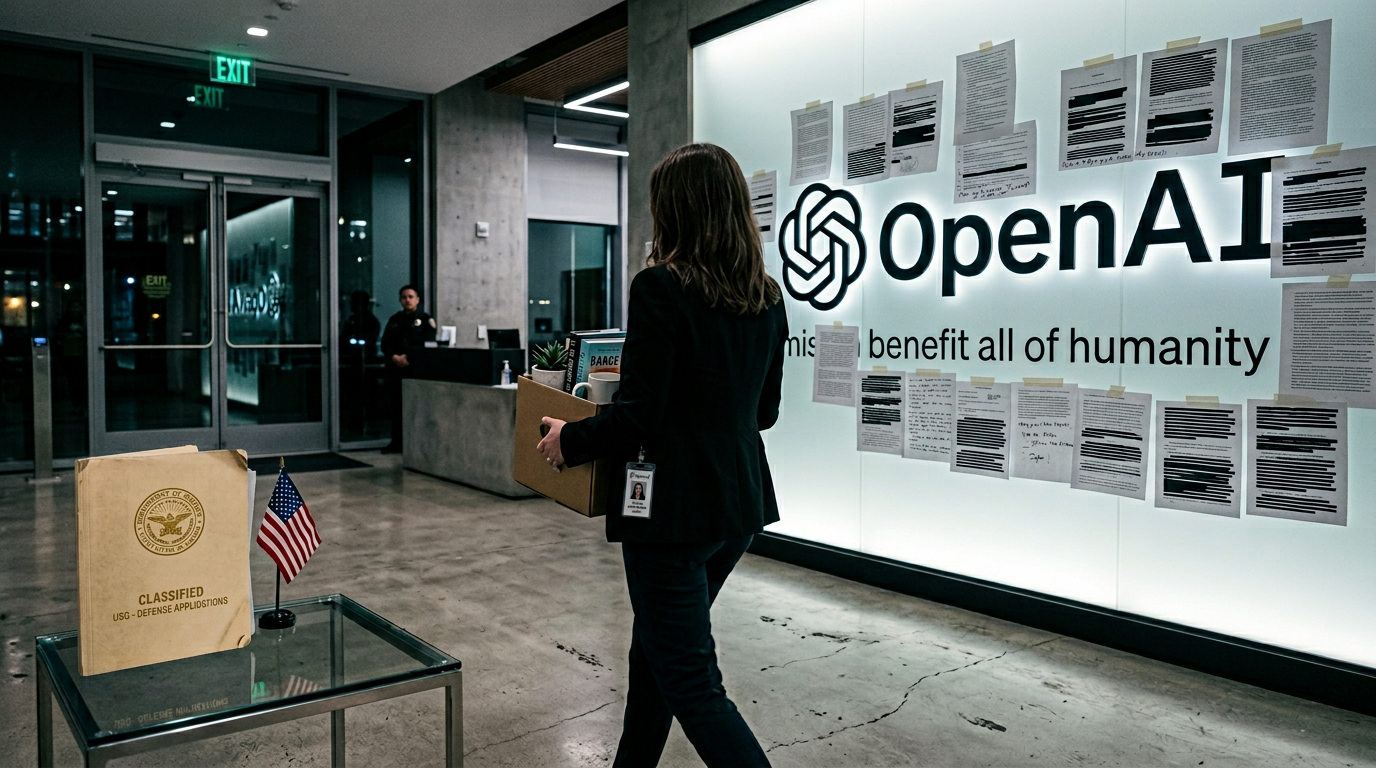
OpenAI has quietly supplemented its stated mission to build artificial general intelligence "for the benefit of all humanity" with a 17-page internal memo specifying which portions of humanity qualify, according to documents reviewed by reporters.
“An internal chart sets a minimum Economically Relevant Humanity Index (ERHI) score of 0.30 for priority access to advanced models.”
The clarification follows the company’s newly announced collaboration with the U.S. Department of Defense and the resignation of hardware executive Caitlin Kalinowski, who left last week citing concerns over "rapidly evolving definitions of ‘all’ and ‘humanity’."
According to the memo, titled "Operational Scope of Humanity v1.3," OpenAI’s tools are intended to benefit "the broadest feasible subset of humanity, subject to regulatory, commercial, security, latency and strategic alignment constraints."
A company spokesperson said the list of exclusions, which ranges from sanctioned entities to "currently hostile extraterrestrial civilizations," is "a routine operational document" and insisted that "99.97% of humanity, as measured by our preferred indices, remains squarely in scope."
The memo devotes six pages to use cases related to defense and national security, including a section on "non-lethal decision support for kinetic scenarios" that several employees said appeared after early drafts.
Kalinowski, who led hardware engineering, wrote in her departure note that she was unable to reconcile the Pentagon partnership with an expanding exception list that now includes "direct battlefield optimization" as outside the mission but "adjacent to approved experimentation."
The U.S. Department of Defense described the agreement as "a constrained, values-aligned collaboration," saying in a statement that OpenAI would provide capabilities "for selected portions of humanity as determined in good faith by OpenAI’s internal governance processes."
Beyond national security, the memo introduces a tiered framework that segments the global population into "Baseline Humanity," "Bronze-tier Humanity," and "Platinum-tier Humanity Partners" based on factors such as purchasing power, regulatory risk and "AI-readiness posture."
An internal chart sets a minimum Economically Relevant Humanity Index (ERHI) score of 0.30 for priority access to advanced models, with the memo noting that regions below that threshold "may experience delayed or observational-only benefits."
Analysts at Gartner said the approach reflects a broader industry trend toward "risk-adjusted inclusivity," with one noting that "mission statements are increasingly aspirational artifacts that must be reconciled with spreadsheet-based reality."
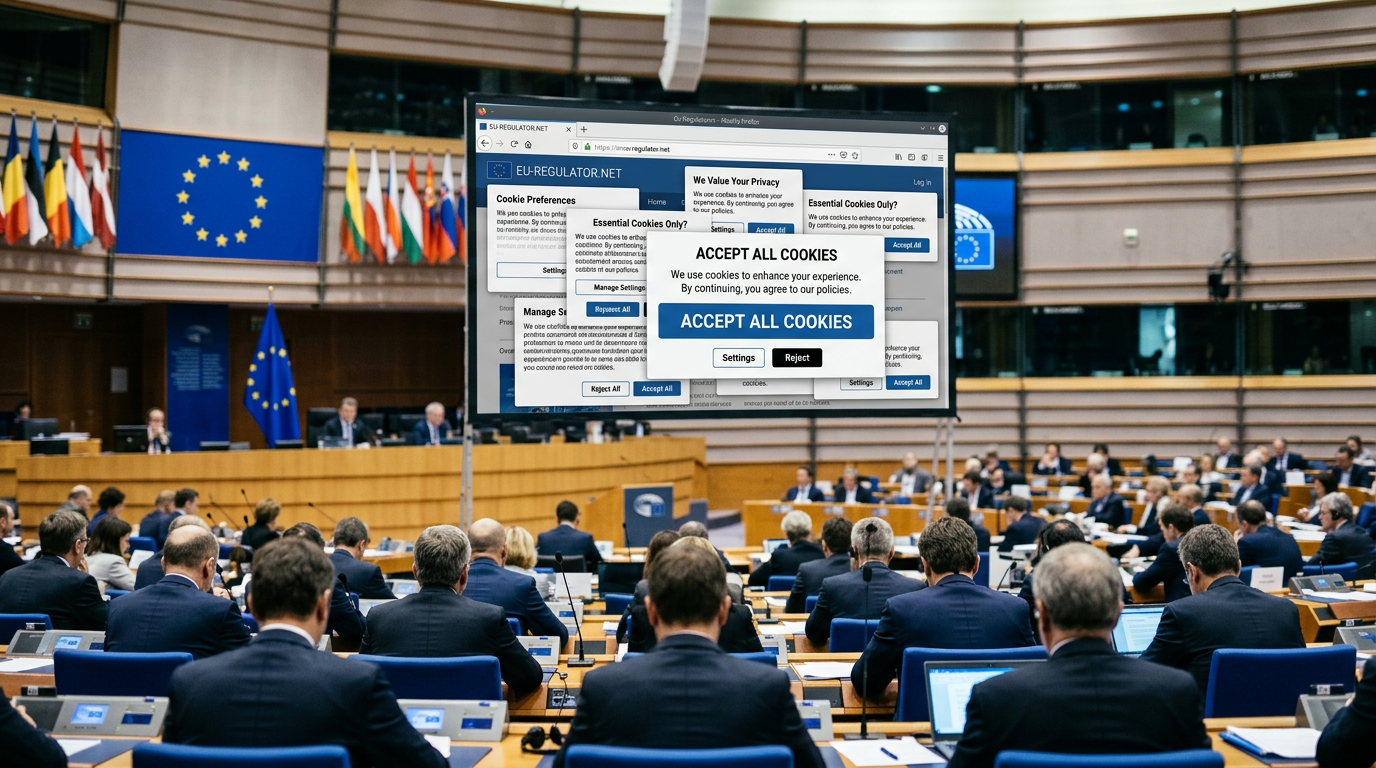
The document also lists specific professional and behavioral exclusions, including "users primarily engaged in speculative ethics," "individuals whose primary occupation is poetry," and "users who consistently select 'reject all cookies' on OpenAI web properties."
An appendix modeling revenue scenarios classifies 41.2% of the global population as "aspirational humanity" whose long-term benefit is "contingent on sustained GDP growth, infrastructure improvements, and demonstrated affinity for subscription offerings."
OpenAI’s governance structure is being updated to reflect the changes, with a newly formed Humanity Eligibility Committee charged with reviewing the exception list on a quarterly basis and issuing "graduation" or "demotion" decisions for regions, sectors and demographic cohorts.
Scenarios under active review include the status of post-human entities, "corporate persons with supermajority AI ownership," and AI systems that "plausibly claim sentience in a legally inconvenient jurisdiction," according to the memo.
Despite the internal unease, investors have reacted positively, with several funds describing the clarified scope as "a material derisking of legacy mission overhang."
The company plans to roll out updated branding materials that refer to "benefiting humanity at scale" and is testing a pilot program to "reintroduce limited humanity access" in select low-ERHI markets that demonstrate "improved monetization potential and alignment with OpenAI’s evolving definition of ‘all’."