This is Satire
This article is 100% fictional and intended for entertainment purposes only. Any resemblance to real events is purely coincidental.
Uber to separate rich and poor apps after acquiring Blacklane’s clientele
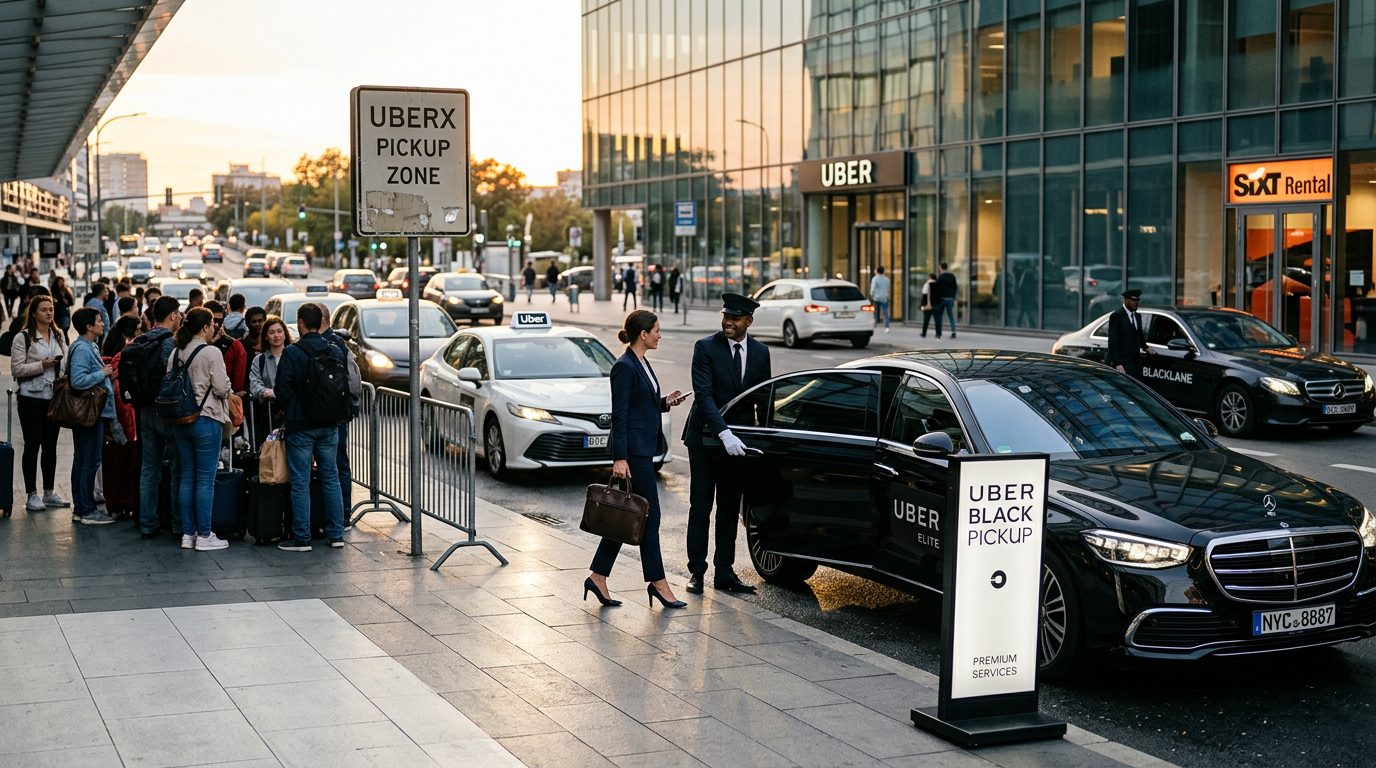
Uber will run two distinct apps after taking over Blacklane’s upscale clientele, with one algorithm optimizing for leather surface area and the other simply confirming the presence of four functioning wheels.
Get featured on 500+ media outlets
Guaranteed placement, no PR experience needed.
Uber Technologies Inc said on Monday it will formally split its ride-hailing service into two separate smartphone applications, one for high-net-worth individuals and one for all other users, following its agreement to acquire the clientele and driver network of Berlin-based chauffeur platform Blacklane. Financial terms of the deal were not disclosed, but people familiar with the matter said the transaction is valued at “somewhere between a well-specced Mercedes and a small regional airport.”
““This is about providing differentiated friction for different income brackets,” an Uber spokesperson confirmed.”
The new premium app, Uber Elite, will exclusively serve former Blacklane customers and users “with demonstrated disposable incomes,” while the existing Uber app will be rebranded for mass-market riders, the company said. “This is about providing differentiated friction for different income brackets,” an Uber spokesperson confirmed.
According to an internal memo seen by Reuters, Uber Elite vehicles will be restricted to late-model Mercedes-Benz S-Class, BMW 7 Series, and “any car legally defined as longer than the average European studio apartment.” The memo also outlines a contrasting vehicle policy for the legacy app, allowing “any four-wheeled object compliant with at least 63% of known safety recommendations.”
Sixt SE will act as a preferred fleet partner for the premium tier, supplying cars that have an average interior leather surface area of 11.4 square meters per vehicle, according to a joint statement. Regular users, by contrast, will be matched through an algorithm that “optimizes for wheel presence, probable braking capacity, and driver familiarity with at least 40% of local traffic laws,” analysts at JPMorgan noted.
Pricing will also be bifurcated, with Uber Elite adopting what the company calls “perceived fairness surge,” in which fares automatically increase if the passenger’s watch retail value exceeds €9,999. The standard app will continue to use traditional surge pricing, although a pilot in three test cities will allow drivers to be tipped with unused loyalty points from discount supermarkets.
To reduce friction for premium customers, Uber Elite rides will not display estimated arrival times, but instead show a message stating “the driver will arrive when appropriate.” The mass-market app will retain ETAs, but an updated algorithm will add a margin of error described in company documents as “plus or minus two fiscal quarters.”
Uber said it aims to migrate 100% of Blacklane’s reported 2.7 million global passengers into Uber Elite within 180 days, while simultaneously segmenting 94% of its existing user base into what internal presentations call “the economically flexible cohort.” The company plans to evaluate the performance of separate rich and poor apps by year-end, with an option to roll out a third interface for users “who are wealthy but prefer to appear relatable,” according to people briefed on the matter.