How to Earn Relevant Backlinks With Digital PR
A high-authority placement is not automatically a useful link. Learn how to connect your evidence with the right readers and editorial angles. This guide covers prospect qualification, source pages, outreach and measurement without confusing distribution with earned coverage.
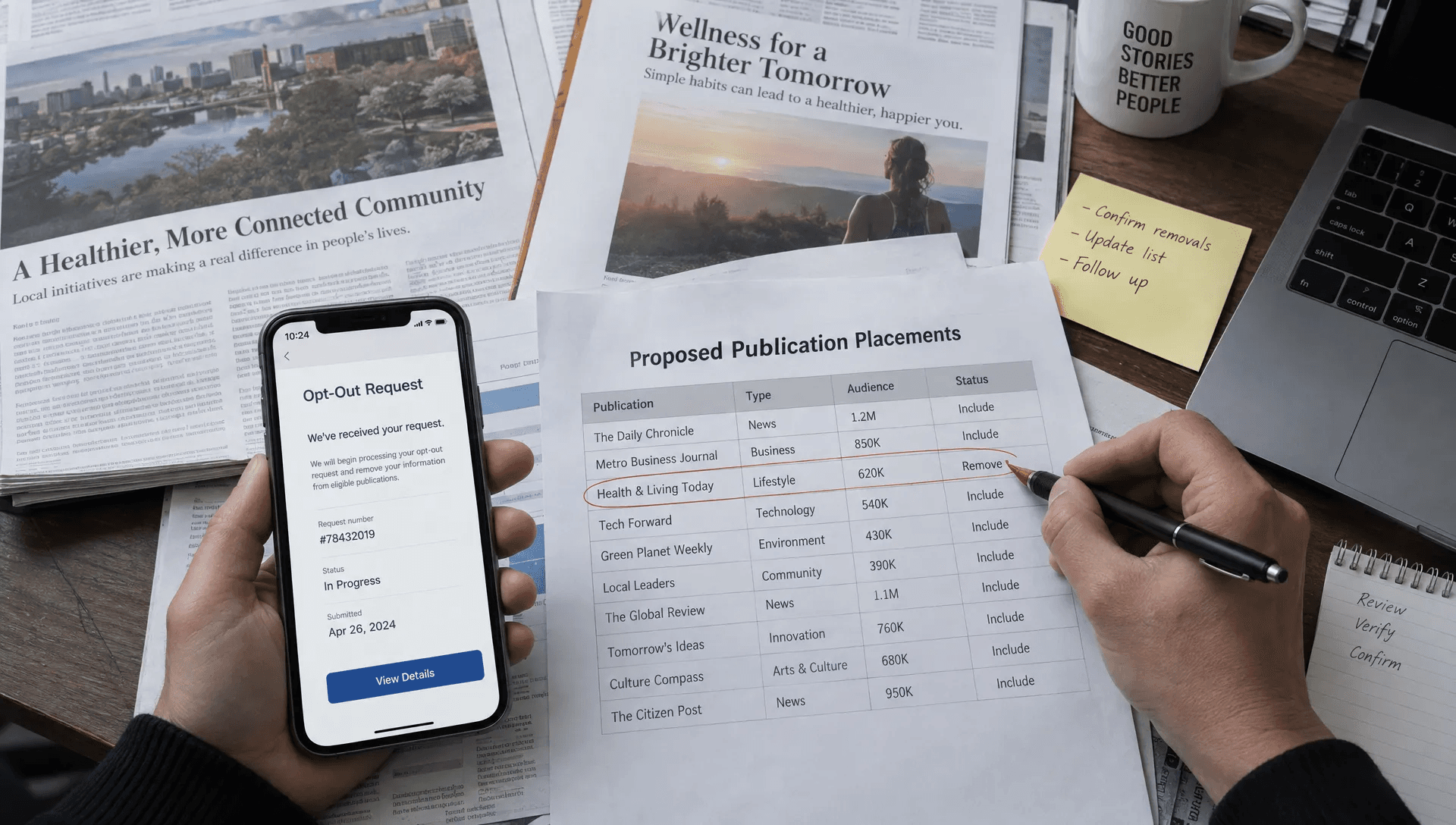
Get featured on 500+ media outlets
Guaranteed placement, no PR experience needed.
Earning relevant backlinks through digital PR starts with a connection between a publication’s readers, your story and the page being cited. A recognizable media logo can support credibility, but it does not make every link from that publication equally useful.
The practical goal is to become a source a journalist has a reason to reference. That requires more than distributing an announcement or asking for a homepage link. You need a clear editorial angle, evidence that supports it and a destination page that helps readers understand something important.
Relevance belongs to the article, not just the domain
A niche publication is not automatically a better prospect than a national newspaper. Equally, a high-authority domain is not automatically the right place for your story.
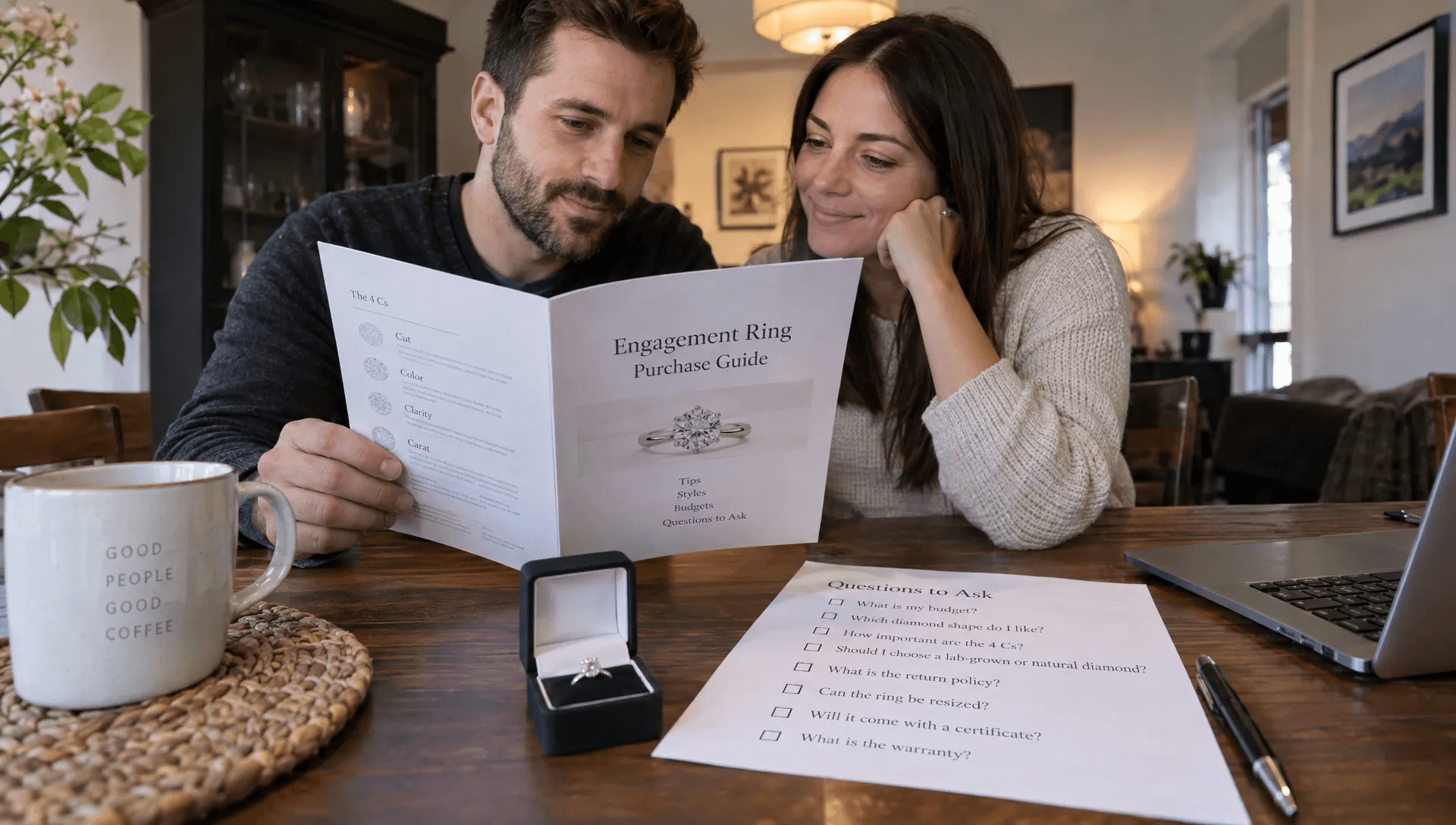
Consider an engagement ring retailer. A wedding publication explaining resizing policies has an obvious connection to its customers. A national newspaper’s consumer desk could also be relevant if it covers the financial implications of those policies. An unrelated article that inserts the retailer’s homepage into a paragraph about productivity offers neither connection.
Evaluate the specific article and its readers before evaluating the publisher’s SEO metrics. Third-party authority scores can help you compare prospects, but they do not establish editorial fit or predict the value of an individual placement.
A four-part test for relevant backlinks
Before creating an asset or contacting a journalist, test the proposed connection across four dimensions. This is a campaign-planning framework, not a representation of Google’s ranking formula.
| Dimension | Question to ask | Evidence of a good fit |
|---|---|---|
| Audience | Would these readers reasonably need this information? | The story addresses a decision or problem they face |
| Editorial beat | Does this writer cover the subject? | Recent articles discuss related questions |
| Source value | What does your contribution add? | Original evidence, specialist explanation or a useful comparison |
| Destination | Does the linked page support the statement being made? | Readers can inspect the evidence or explore the relevant details |
A weakness in one area is a reason to revise the idea, not compensate with more outreach. If the audience fits but the destination is a generic product page, develop a more useful source page. If the evidence is strong but the writer covers a different beat, find another journalist.
The simplest final check is this: would the citation still make sense if neither party received any SEO benefit?
Give journalists something specific to cite
The strongest starting point for relevant backlinks is a source page that answers a question better than a press release alone can. Its usefulness should be visible without requiring a sales call, account registration or lengthy explanation.
Choose a narrow question you can substantiate
A jeweler could investigate how clearly retailers disclose resizing restrictions. A software company might examine recurring implementation problems using properly anonymized support records. A logistics provider could explain delivery constraints using documented operational data.
These are possible campaign ideas, not findings. Before pitching, establish what you can legitimately demonstrate and whether you have permission to publish the underlying information.
A useful source page identifies its scope, collection dates, definitions and limitations. If you compare businesses, explain how you selected them and distinguish verified facts from your interpretation.
Match the destination to the reader’s next question
A retailer-published guide to places to buy an engagement ring in New Zealand illustrates how a destination can align with a specific buying question. Its subject and geography could fit a local wedding or consumer-advice article more closely than a generic jewelry homepage would.
That does not make a commercial guide independent evidence. A journalist should assess the publisher’s commercial interest and verify comparison claims separately. Topical fit and source credibility are separate checks, and both matter.
Match outreach to the editorial angle
To earn relevant backlinks, organize your prospect list around the story you can support rather than a collection of impressive publication names.
The same underlying research may interest different desks for different reasons. Ring-resizing policies could support a wedding-planning story about timing, a consumer article about unexpected costs or a local shopping feature about available services. Each angle needs its own evidence and destination fit.
Do not manufacture a connection to a trending topic simply because it attracts coverage. A journalist covering household budgets needs a demonstrable financial implication, not a product launch relabeled as a cost-of-living story.
Record the reason each journalist belongs on your list
For every prospect, save a recent relevant article, the reader question your contribution answers and the source page you would offer. This creates a short editorial justification for the pitch.
Keep local relevance specific. A New Zealand buying guide may suit a New Zealand audience, but that alone does not establish relevance to a particular city. City-level outreach needs local availability, evidence or expertise that actually supports the angle.
If you cannot explain the fit in one sentence, hold the pitch until you can.
Write a pitch that makes verification easy
A pitch for relevant backlinks should lead with the editorial value, not the backlink request. Journalists need to understand what is new, why their readers should care and how they can verify it.
Use a concise subject line and a short email. The following is a hypothetical template for a campaign that has genuinely completed the stated research:
Subject: Ring-resizing policy comparison for your wedding planning coverage
Your recent article on engagement ring budgeting raised the question of costs after purchase. We reviewed [number] publicly available resizing policies on [date] and documented [verified finding].
The source page includes the comparison, selection criteria and links to the original policies. [Named specialist and relevant qualification] is available to explain the practical implications.
Would this be useful for a follow-up on what couples should check before ordering?
Replace every placeholder with verified information. Avoid implying that a small convenience sample represents an entire market.
Offer the source link because it supports the story. Do not require exact-match anchor text, demand a followed link or make access to evidence conditional on inclusion. If coverage omits a citation, a polite request can explain which claim the source page substantiates. The editorial decision remains with the publisher.

Separate earned coverage from distribution
Press release distribution and earned editorial coverage serve different purposes. Distribution makes an announcement available through a network and may produce published release pages. Earned coverage involves a journalist independently deciding to use your information in a story.
Both can support communications goals, but they should not be presented as interchangeable outcomes. Ten sites carrying the same release are ten published locations, not ten independent editorial endorsements.
The distinction also matters for links. Google’s link spam policies address links created primarily to manipulate rankings, including paid links that pass ranking credit and optimized links in distributed press releases. Paid placements should use appropriate link qualification, such as rel="sponsored" or rel="nofollow".
A placement can still provide referral traffic, discovery or brand exposure without passing ranking credit. Conversely, an unqualified link is not automatically valuable simply because a tool labels it “followed.”
When assessing relevant backlinks, record whether each placement is an independent article, a syndicated release or a paid placement. For a broader explanation of safe practices, MediaBoost’s guide to creating backlinks that earn trust instead of penalties provides additional context.
Measure the relationship, not just the link count
Start with a placement-level record. Capture the source URL, destination URL, article topic, anchor text, link attributes and publication date. Add the editorial reason the citation fits.
Then separate delivery metrics from outcomes. Delivery metrics include published articles, live links and corrected destination URLs. Outcomes include qualified referral visits, inquiries, assisted conversions and changes in search visibility. These are related, but one does not prove the other.
Check what actually went live
Open the published page and inspect the citation in context. Does the link support the adjacent statement? Does it send readers to the intended evidence? Is the article accessible, and is the destination working?
Google Search Console’s Links report can help identify discovered linking pages, but it is not a complete, real-time inventory. Combine it with direct checks, campaign records and referral analytics. MediaBoost’s guide to analyzing backlink quality, relevance and risk explains the broader review process.
Over time, compare which relevant backlinks bring engaged visitors or lead to additional citations. Report those observations without claiming that one placement caused a ranking increase. Content updates, technical changes, competitors and search system changes can also affect performance.
Build a focused campaign before scaling outreach
A manageable first campaign needs one defensible question, one useful source page and a carefully qualified prospect list. Expanding the list before testing the story usually makes weak targeting more expensive.
Use a simple sequence:
- Validate the evidence: Confirm collection methods, permissions, dates and limitations before writing the pitch.
- Prepare the destination: Publish the supporting information on an accessible page with clear authorship and sourcing.
- Qualify the audience: Select journalists whose recent work shows a genuine connection to the subject.
- Review the response: Separate requests for more evidence, poor timing and weak editorial fit before revising the campaign.
Follow up when you have a useful clarification or a reasonable reminder, not simply to repeat the request. If journalists consistently ask the same question, improve the source page so future readers can find the answer too.
A campaign for relevant backlinks becomes easier to refine when each rejection or placement tells you something about audience fit, source usefulness or the strength of the angle.
Frequently asked questions
Can a link from a general news website be relevant? Yes. A general publication may have specialist desks covering finance, technology, health or consumer issues. Judge the specific article, its audience and the reason for the citation rather than relying only on the domain’s overall subject.
Should I ask journalists for followed links? You can provide a useful source URL and explain what it substantiates. Avoid demanding particular link attributes or anchor text. Publishers control their editorial policies, and a qualified link can still bring useful visitors and exposure.
How do I identify backlinks to my website? Start with Google Search Console’s Links report, your PR placement records and referral analytics. A backlink analysis tool can add discovery data. Open important source pages yourself to confirm that the links are live and contextually appropriate.
How many relevant backlinks does a campaign need? There is no universal threshold. Set goals around the audience you want to reach, the evidence you have and the business outcomes you can measure. A small number of well-matched citations can be more useful than a large collection of unrelated placements, but neither quantity guarantees rankings.
Give your announcement a clear distribution role
If your campaign also needs press release distribution, MediaBoost offers industry-specific packages, editorial review, done-for-you submissions and proof reports across its media network.
Use distribution to support announcement visibility, then evaluate any independent editorial pickup separately. Before choosing a package, confirm the intended outlets, destination pages, link attributes and reporting details. That keeps the service’s deliverables distinct from the editorial decisions and search outcomes no campaign can guarantee.