How an SEO Backlink Monitor Protects Your Link Profile
A placement report tells you what went live, not what stays intact. Learn which backlink changes deserve attention, how to verify alerts and when to fix your own website before contacting a publisher.
Get featured on 500+ media outlets
Guaranteed placement, no PR experience needed.
A valuable backlink can disappear long before anyone notices a change in traffic. An SEO backlink monitor helps you catch that loss, along with broken destinations, altered anchor text and unexpected redirects, so you can investigate while the problem is still recoverable.
The point is not to react to every unfamiliar domain or treat every lost link as an emergency. It is to protect links that matter, distinguish real changes from reporting delays and give each verified issue a clear next action.
For brands investing in digital PR, press release distribution or editorial outreach, monitoring also closes a reporting gap: a placement report shows what went live, while ongoing checks show what remains accessible and where those links now lead.
How an SEO backlink monitor protects your link profile
A backlink monitor checks referring pages and records changes to links pointing to your website. Depending on the tool, it may track link presence, destination URLs, anchor text, link attributes and page availability.
Monitoring protects your ability to respond, not your rankings directly. Software cannot force a publisher to retain a link or guarantee that Google will assign it value. It can reveal problems that deserve investigation before they affect visitors or undermine a campaign report.
For example, a publication might move an article, remove a citation during an update or keep linking to a product URL your team has retired. Those situations require different responses, even when a dashboard labels all three as “lost.”
An SEO backlink monitor is most useful when it connects each change to its source, your destination page and the business reason that placement matters. A relevant article sending qualified visitors deserves more attention than an inaccessible scraper page you never pursued.
Track changes that lead to useful decisions
A rising backlink count does not tell you whether your existing coverage is intact. Monitor individual placements and referring domains, then preserve enough detail to explain what changed.
| Signal | What to verify | Possible response |
|---|---|---|
| Link disappears | Whether the referring page still contains the link | Confirm manually before contacting the publisher |
| Referring page becomes unavailable | Whether the failure is persistent or temporary | Recheck, then investigate whether the article moved |
| Destination returns 404 or 410 | Whether your linked page was intentionally removed | Restore it or redirect to a genuinely relevant replacement |
| Destination redirects | Whether the final page remains relevant and accessible | Correct loops, unnecessary chains or unrelated destinations |
| Anchor text changes | Whether the wording still describes the destination accurately | Request a correction if the change misleads readers |
| Link attributes change | Whether nofollow, sponsored or ugc was added or removed |
Record the change and check its context |
| Many links appear together | Whether they share a campaign, template or syndication source | Group them before interpreting the increase |
Your SEO backlink monitor should distinguish a confirmed page-level change from a change in its own database. A crawler discovering a link today does not establish that the publisher added it today. Likewise, a “lost” label can mean the tool could not retrieve the page, not that an editor removed your link.
Build a baseline before enabling alerts
Combine discovery data with placement records
Start with known campaign placements, previous outreach records and available backlink exports. Include the source URL, linked destination, campaign name and the date you last verified the placement.
Google Search Console provides a useful cross-check, but its Links report is not a complete inventory of every backlink. Third-party crawlers also have coverage limits. Combining sources reduces dependence on any single database without producing a perfect census of the web.
Keep the original source URL and destination alongside normalized versions used for grouping. Removing tracking parameters can help deduplicate records, but preserve the raw values so you can investigate campaign attribution later.
Give important links a priority level
Prioritize placements by editorial relevance, referral activity, business importance and whether you can realistically recover them. For a more detailed assessment, use a consistent framework for evaluating backlink quality, relevance and risk rather than relying on a domain score alone.
An SEO backlink monitor becomes easier to manage when each important placement has an owner and a reason for being watched. Record who should investigate: your web team for broken destinations, your PR contact for publication changes or your agency for campaign delivery questions.
Preserve the original evidence
Save the original link text, destination, attributes and verification date. Screenshots can document visible placement, while saved HTML or tool exports can help establish the actual link destination and attributes.
For distributed press releases, group placements by release and publication network where that relationship is known. Hundreds of syndicated URLs should not automatically be interpreted as hundreds of independent editorial endorsements.
Choose a monitoring cadence that matches the risk
Not every backlink needs daily attention. A practical starting schedule is daily checks for a small watchlist of business-critical placements, weekly reviews of active campaigns and a monthly review of the broader profile. These are operating choices, not Google requirements.
Increase monitoring around website migrations, product-page retirements and major publishing campaigns. During a migration, the same inbound link can remain live while its destination begins returning an error or redirecting somewhere irrelevant.
Use an SEO backlink monitor that supports scheduled rechecks, historical changes and exports. Check whether it distinguishes links missing from retrieved HTML from pages it could not access, and whether it handles JavaScript-rendered links when those matter to your placements.
Alert rules should filter noise. A single timeout can wait for another check; a verified broken destination on your own website deserves faster action. Repeated changes affecting many links to one destination should trigger one grouped investigation rather than dozens of separate tickets.
Turn alerts into specific actions
Confirm the problem before attempting recovery
Open the referring page and inspect the link. Check the destination separately, including its final response after redirects. If access is blocked or the page fails intermittently, record that uncertainty instead of calling the link removed.
A source page becoming non-indexable is also different from a link disappearing. It warrants investigation, but it does not prove that a previously valuable link has suddenly lost all value. Monitoring software cannot see Google's full evaluation of a page.
When your SEO backlink monitor flags a disappearance, compare the current page with your saved evidence. A removed article, a changed URL and a missing hyperlink need different recovery requests.
Fix what you control first
If your destination is broken, restore useful content or implement a permanent redirect to a genuinely equivalent page. Avoid redirecting every retired URL to the homepage simply to make an error disappear.
For planned changes, checking page-level backlinks before a refresh helps you identify destinations that need protection before deployment.
If the publisher removed the link, send a short, factual request explaining the reader benefit of restoring it. Include the source page, the former destination and the correct replacement where relevant. Do not frame a publisher's legitimate editorial update as an obligation to preserve your SEO metrics.
Treat suspicious links separately from broken links
Unexpected links from low-quality sites do not automatically require removal requests or disavowal. A third-party toxicity score is not a Google penalty notice.
Google's disavow guidance says most sites do not need the tool. Investigate substantial patterns of manipulative linking, especially those connected to your own past campaigns, and check Search Console for manual actions before choosing a cleanup response.
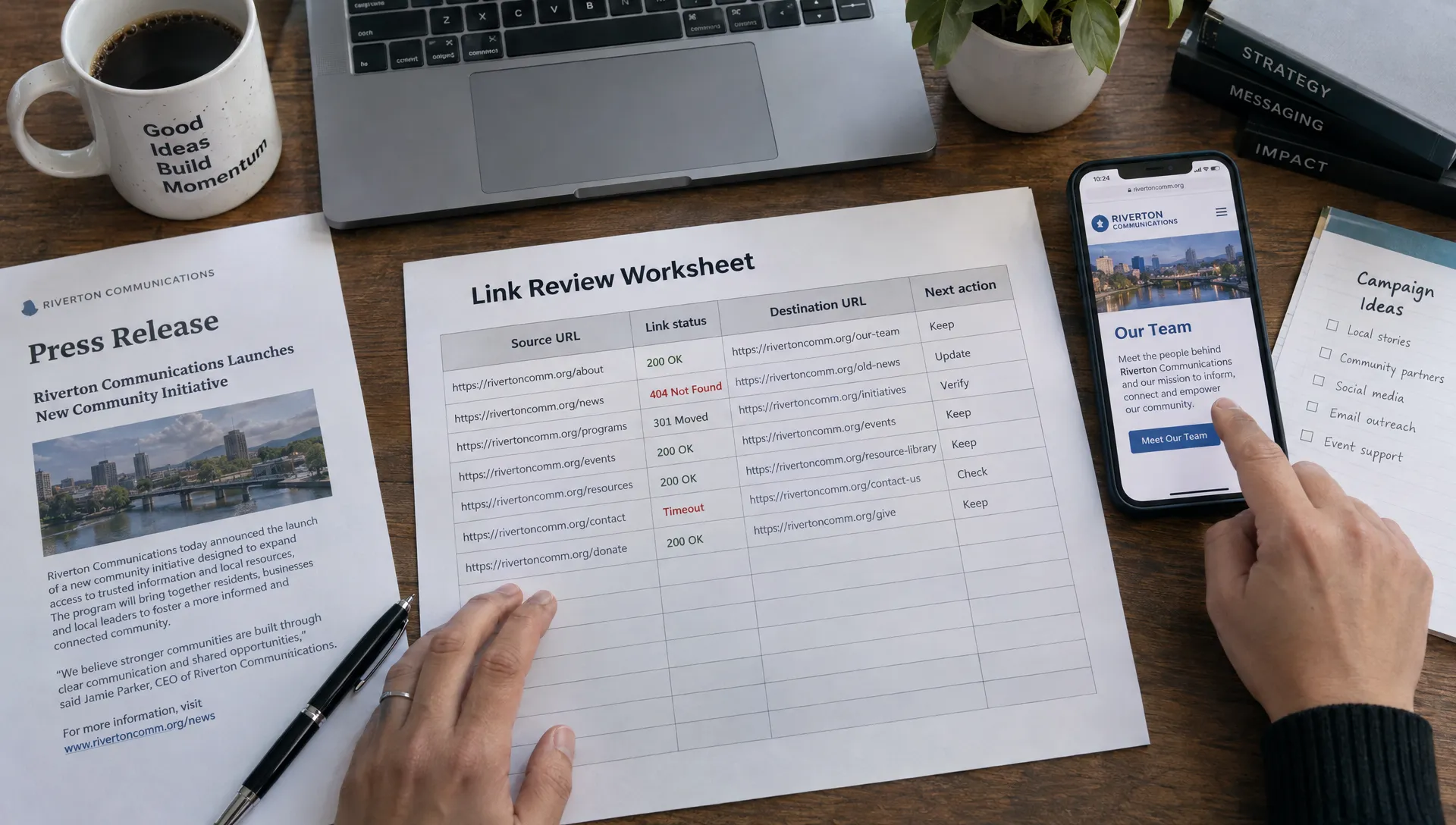
Example: recovering a link without contacting the publisher
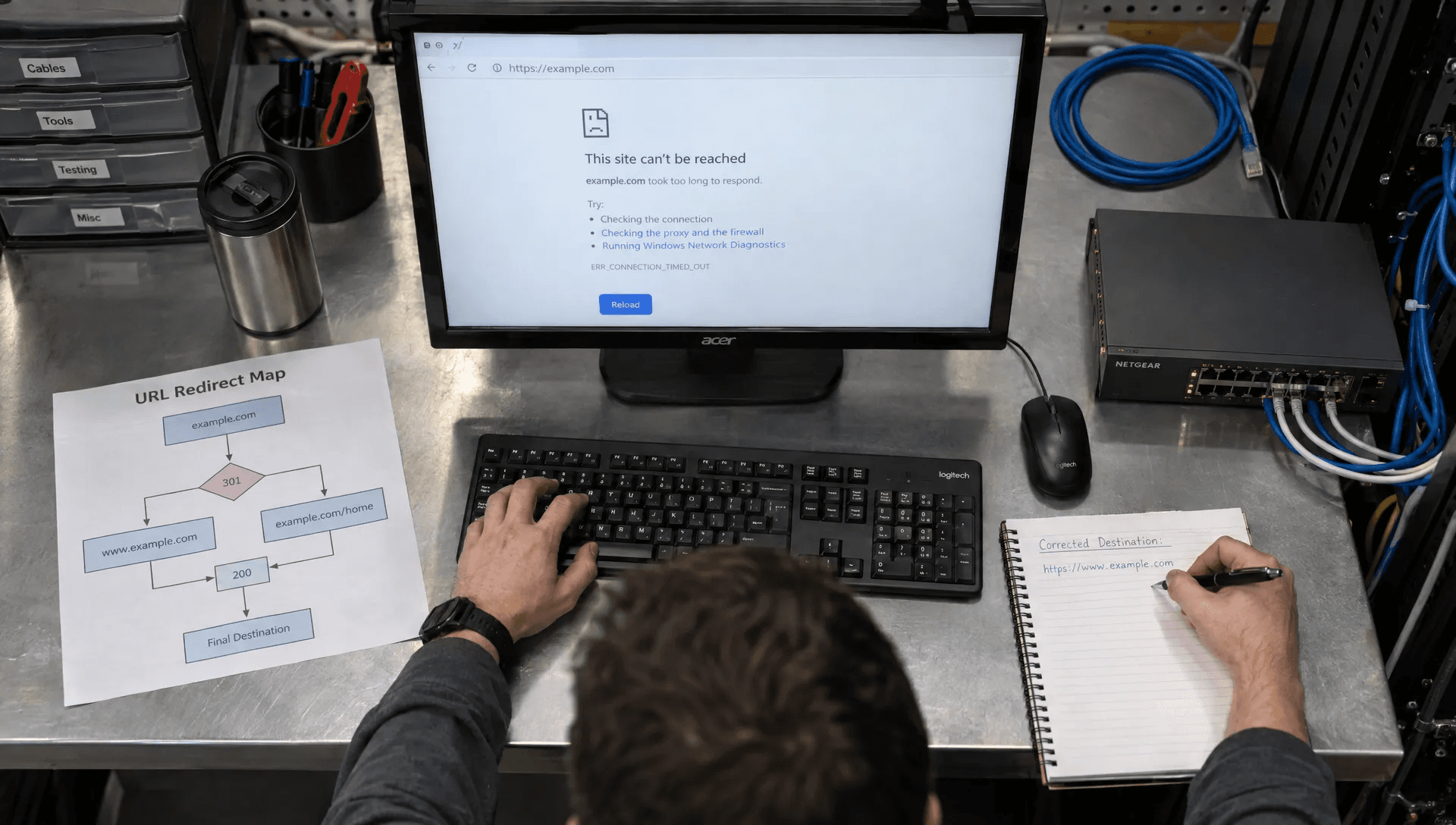
Suppose an industry publication links to your research report. Your team later changes the report's URL during a website update, but the old address begins returning a 404.
The referring article is still accessible, its link is unchanged and no publisher has done anything wrong. A backlink database focused only on source-page changes might not surface the destination problem promptly.
Your SEO backlink monitor should help identify the affected destination so your web team can restore access or redirect the old address to the equivalent report. After deployment, verify the entire path from the publication's link to the final page, not just the redirect rule in your CMS.
Document the original failure, the fix and the successful recheck. You have recovered a usable path for readers without sending unnecessary outreach or claiming that a particular amount of ranking value was restored.
Keep link health separate from campaign performance
A live backlink is a technical observation. Referral traffic, qualified leads and sales are different outcomes, and they require separate measurement.
For a B2B team using Naano for LinkedIn creator campaigns, post-level attributed clicks and leads belong in campaign performance reporting. A backlink health report answers a narrower question: is the monitored reference still present, and does its destination work? Neither report replaces the other.
The same distinction applies to press release distribution. Track whether promised placements are live, but do not equate a placement count with rankings, referral demand or visibility in AI-generated answers.
Your SEO backlink monitor can support a useful monthly summary with four measures: verified priority-link losses, recovered placements, unresolved broken destinations and time taken to resolve confirmed issues. Report newly discovered links separately from links you know were newly published.
For paid placements, assess link qualification as part of compliance rather than treating a sponsored or nofollow attribute as a defect. Google's link spam policies address paid links that pass ranking credit and optimized links in distributed press releases. Monitoring should not become a process for requesting the removal of appropriate disclosures or attributes.
Frequently asked questions
Can I monitor backlinks for free? You can combine Search Console exports, a placement spreadsheet and manual checks for a small watchlist. Automated monitoring becomes more useful as the number of placements grows, especially when you need scheduled checks and historical evidence.
How quickly will a monitor detect a lost link? Detection depends on the tool's crawl schedule, access to the source page and whether the URL is on a monitored watchlist. An SEO backlink monitor cannot reliably tell you the exact removal time unless its observations are frequent enough to establish a narrow window.
Does a lost backlink mean rankings will drop? No. Search performance depends on many factors, and Google does not disclose the contribution of an individual backlink. Investigate valuable losses without attributing every ranking fluctuation to them.
Should I try to recover every lost link? No. Prioritize relevant placements, links that send useful visitors and references supporting important business pages. Obsolete syndication copies and low-value scraper links rarely justify the same effort.
Is a nofollow link worth monitoring? It can be. The link may still help readers discover your business or support a valuable publication relationship. Link attributes alone do not determine its business usefulness.
Make placement verification part of your distribution plan
Before starting another campaign, establish a placement baseline, assign an owner to priority alerts and define what counts as a resolved issue. That makes monitoring a repeatable maintenance process rather than an occasional spreadsheet exercise.
If press release distribution is part of your strategy, explore MediaBoost's distribution services and include its live-link proof reports in your monitoring records. Use those reports to verify delivery, then continue checking the placements and destinations that matter to your business.