9 Link Building Strategies That Still Work in 2026
Backlinks still matter, but the tactics that earn trust have changed. This guide breaks down nine practical ways to build relevant links in 2026 without relying on spammy shortcuts or empty placement volume.
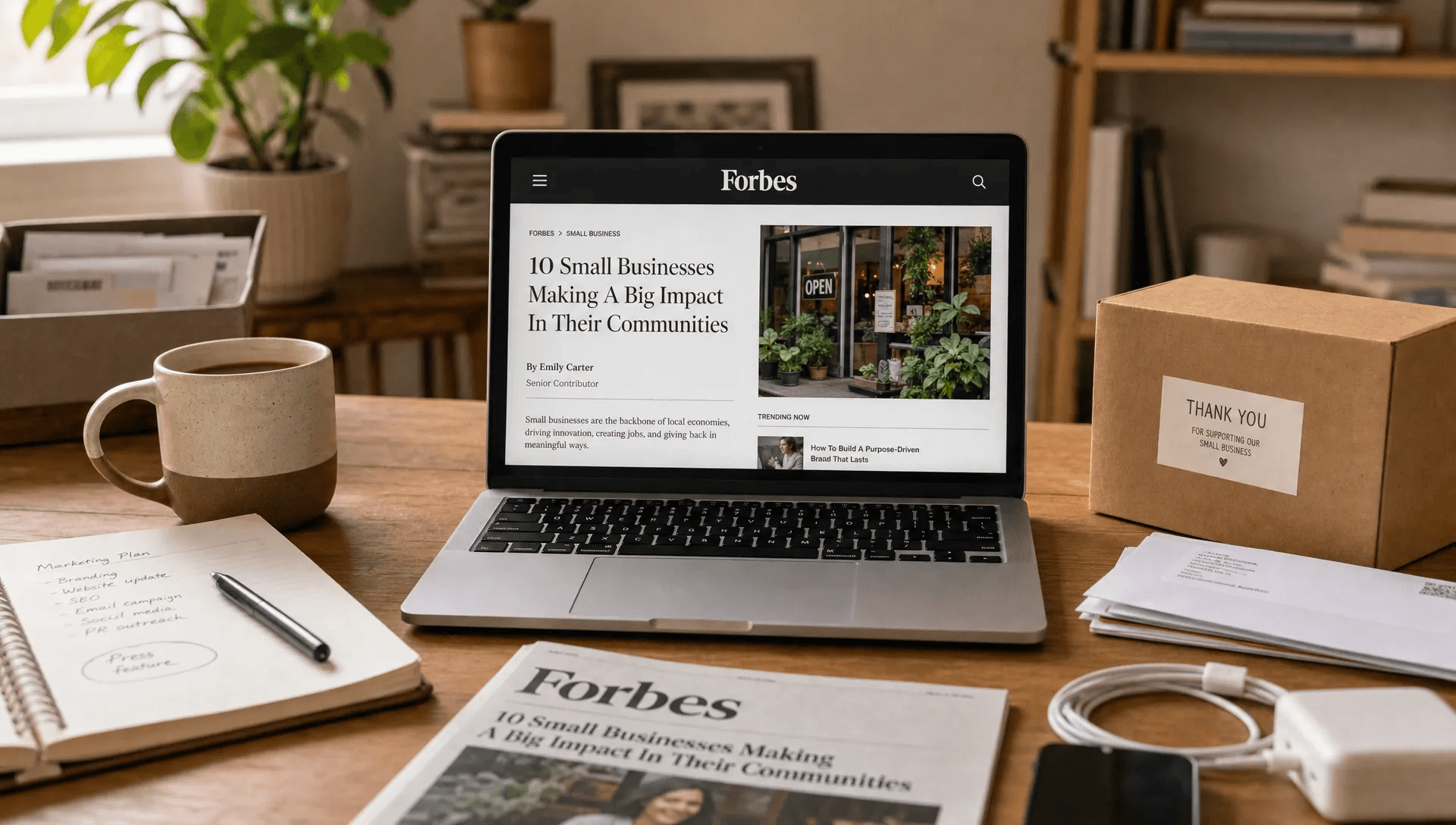
Get featured on 500+ media outlets
Guaranteed placement, no PR experience needed.
In 2026, the link building strategies worth your budget look less like shortcuts and more like proof: useful assets, credible mentions, relevant media coverage and relationships that make sense to real buyers. Google is better at ignoring weak signals, AI search systems are better at summarizing brand authority and audiences are more skeptical of generic guest posts than ever.
That does not mean backlinks have lost value. It means the bar is higher. A link from a trusted, relevant source can still help search engines understand your brand, send referral traffic and reinforce credibility when prospects research you across search, media and AI-generated answers. The tactics below focus on links that would still make sense even if rankings were not part of the equation.
The 2026 standard for link building strategies
Modern link building starts with a simple filter: would this mention help the reader if the link did not pass any SEO value? If the answer is no, the tactic is probably too thin.
Google’s link spam policies continue to warn against manipulative linking, especially paid links created to pass ranking credit, large-scale exchanges and low-quality automated placements. In practice, safe link acquisition is less about hiding footprints and more about earning placement in contexts where your brand naturally belongs.
The best link building strategies in 2026 share four qualities: relevance, editorial context, usefulness and verifiable reporting. Relevance means the linking site, article and audience match your business. Editorial context means the link appears inside meaningful content rather than a random sidebar or spun paragraph. Usefulness means the page gives readers something worth citing. Reporting means you can see where the link went live, what anchor was used and why the placement fits.
If you need a deeper risk framework, MediaBoost’s guide to safe SEO backlink building explains how to judge backlink quality without relying on shortcuts.
1. Publish original data journalists can cite
Original data remains one of the most durable ways to earn links because it gives writers, analysts and industry newsletters something specific to reference. A small but well-framed dataset can outperform a broad generic report if it answers a question people are already asking.
You do not need a massive research budget. A SaaS company can analyze anonymized product usage trends. An ecommerce brand can publish seasonal demand patterns. A local service business can compare pricing, wait times or customer preferences across a region. The key is to make the insight clear, timely and easy to quote.
Strong data assets usually include a short summary, methodology, charts that can be embedded, expert commentary and a press-friendly headline. If the finding is surprising but credible, it can become a citation source for months or years.
A useful test is whether your data can finish this sentence: “According to [brand], [specific finding].” If it can, you have the raw material for outreach.
2. Turn expert insight into quotable assets
Many companies have deep internal expertise but publish it in formats that are hard to cite. Long product pages, vague thought leadership and sales-heavy posts rarely attract editorial links. Journalists and creators need crisp explanations, definitions, predictions and examples.
One of the most overlooked link building strategies is to package internal expertise into pages built for reference. These can include glossary pages, buyer education guides, trend explainers or “state of the industry” commentary from founders and subject matter experts.
Make the asset practical. Add definitions, short examples, common mistakes and a clear point of view. For instance, a packaging company could create a reference guide on choosing the right corrugated box strength for fragile goods, then cite real product categories and sustainability considerations. A manufacturer offering custom cardboard packaging and corrugated boxes has a natural reason to publish education around packaging design, printing, logistics and waste reduction because those topics directly serve its buyers.
This works because the link is not forced. The brand has experience in the subject and the page helps someone make a better decision.
3. Use digital PR around real business milestones
Digital PR works best when the story is actually newsworthy. New funding, market expansion, partnerships, product launches, executive hires, awards, research releases and community initiatives can all become legitimate reasons for media coverage.
The mistake is treating PR as a thin wrapper around a backlink request. Editors do not care that you want a link. They care whether the announcement matters to their readers.
In 2026, PR-driven link building strategies should connect the milestone to a broader industry angle. A product launch can speak to a shift in buyer behavior. A funding announcement can highlight growth in a specific category. A partnership can explain how two capabilities solve a known market problem.
Press release distribution can support this process when the announcement is legitimate, the copy is editorially reviewed and the placements are transparent. MediaBoost’s perspective on press release link building is useful if you want to understand when distribution supports visibility and when it becomes risky.
The goal is not just a link. It is a credible public record that buyers, journalists, investors and AI search tools can discover.
4. Build industry resource pages worth bookmarking
Resource pages still earn links when they solve a real research problem. The difference between a link-worthy resource and a forgettable roundup is curation quality.
A useful resource page might collect regulatory references, vendor evaluation criteria, calculators, templates, benchmark reports or niche directories. It should save the reader time and be maintained as the market changes. If your industry is crowded with shallow listicles, a well-organized reference page can stand out quickly.
For example, a cybersecurity company might maintain a checklist for vendor risk assessments. A B2B finance platform might publish a calendar of reporting deadlines. A healthcare marketing agency might curate plain-language summaries of advertising compliance rules.
The most effective link building strategies often come from pages that are not designed as “SEO content” in the narrow sense. They are tools people return to, cite internally and share with colleagues.
To increase the odds of earning links, add a visible update date, name the person responsible for maintaining the page and include a short explanation of your selection criteria. That transparency gives other publishers more confidence when referencing your resource.
5. Reclaim unlinked brand mentions
Unlinked mention reclamation is simple: find places where your brand, product, executives or proprietary research are mentioned without a link, then ask for the citation to be added.
This tactic works because the editorial decision has already happened. The publisher has mentioned you, so the request is not cold in the same way as a generic pitch. Your message can be short and helpful: thank them for the mention, point to the relevant page and explain that adding the link helps readers find the original source.
You can find unlinked mentions with tools like Google Alerts, brand monitoring platforms, media databases or SEO crawlers. Search operators can also help, especially for executive names, product names and unique research titles.

Not every mention is worth pursuing. Focus on reputable, relevant pages that already place your brand in a positive or neutral context. If a site looks spammy, overloaded with paid placements or irrelevant to your market, skip it.
6. Refresh and relaunch aging content
Content refreshes can create link opportunities because old pages often lose freshness before they lose value. If you have a guide, report or tool that once attracted links, updating it can give you a legitimate reason to re-engage past referrers and reach new publishers.
A strong refresh is more than changing the year in the headline. Add new examples, replace outdated screenshots, remove weak claims, update statistics and include current expert commentary. If the page has accumulated links over time, improving it also protects the value of those existing references.
This is one of the most efficient link building strategies for brands with an established blog or resource center. You are not starting from zero. You are strengthening an asset that already has some market validation.
After relaunching, notify people who linked to the old version. Keep the message specific: mention what changed and why the update helps their audience. You can also pitch the refreshed asset to newsletters, community moderators and niche publications that covered the topic recently.
| Refresh element | Why it helps link acquisition | What to check |
|---|---|---|
| Updated data | Gives publishers a current source to cite | Methodology and dates are clear |
| New examples | Makes the page more useful and concrete | Examples match current buyer behavior |
| Expert commentary | Adds authority and quotable material | Credentials are visible |
| Improved formatting | Helps readers scan and reference the page | Tables, summaries and anchors work |
7. Contribute expert commentary to relevant media
Journalists, newsletter writers and podcasters regularly need informed commentary. If your team can respond quickly with concise, non-promotional insight, you can earn mentions and links in articles that are already being produced.
The strongest responses are specific. Instead of saying “AI is changing marketing,” explain which workflow changed, what metric moved, which buyer behavior shifted or what risk companies are underestimating. Writers need usable lines, not brochure language.
This tactic fits founders, operators, technical experts and customer-facing leaders. It also supports brand trust beyond SEO because your people become visible in conversations that matter to your market.
As AI search becomes more common, link building strategies that create consistent third-party mentions may become even more valuable. AI systems often summarize what reputable sources say about a brand, so distributed credibility can matter alongside traditional rankings.
MediaBoost has written more about how quality backlinks shape brand visibility in the AI era, especially when mentions come from credible publications rather than low-value directories.
8. Partner with complementary brands
Co-marketing can earn high-quality links because both sides have a reason to promote the asset. The partnership might be a webinar, benchmark report, integration guide, customer education hub or joint template.
The best partners serve the same audience without competing directly. A payroll platform might collaborate with an HR law firm. A logistics company might work with an ecommerce operations consultant. A design agency might partner with a conversion copywriter.
To keep the link profile natural, focus on the shared asset first. Each brand can link from its blog, newsroom or resource center in a way that helps users understand the collaboration. Avoid excessive cross-linking across dozens of pages, exact-match anchor swaps or unrelated partner pages created only for SEO.
A good co-marketing asset has clear ownership, a useful topic and a distribution plan. Decide before launch who will write, who will review, what each side will promote and how success will be measured. Without that plan, the page may go live but never earn attention.
9. Earn links through proof-based customer stories
Customer stories are often treated as conversion assets, but they can also support link acquisition when they contain concrete proof. The most link-worthy case studies show a problem, a decision process, measurable outcomes and a broader lesson for the market.
A weak case study says the customer is happy. A strong one explains what changed, how the team implemented the solution and what others can learn from the experience. If the customer has a recognizable brand, a unique use case or a timely challenge, the story may interest niche publications and industry newsletters.
These link building strategies work especially well in B2B categories where buyers want evidence before speaking to sales. A case study can be pitched as an example of a trend, not just as a testimonial.
Keep the writing factual. If you have numbers, define them clearly. If you do not, use specific qualitative evidence, such as the workflow improved, the team involved and the decision criteria. Avoid inflated claims that the customer would not repeat publicly.
How to choose the right strategy for your brand
The right approach depends on your assets, credibility and speed requirements. A startup with fresh funding may benefit from digital PR. A mature company with years of customer data may get more from original research. A niche service provider may win with expert commentary and resource pages.
Use this quick comparison to decide where to start.
| Business situation | Best starting point | Why it works |
|---|---|---|
| You have proprietary data | Original research | Creates unique citations competitors cannot copy |
| You have strong subject matter experts | Expert commentary | Builds authority through credible third-party mentions |
| You have recent news | Digital PR | Turns real milestones into discoverable coverage |
| You have existing content with links | Refresh and relaunch | Improves assets that already proved demand |
| You have recognizable customers | Proof-based case studies | Builds trust with buyers and industry publishers |
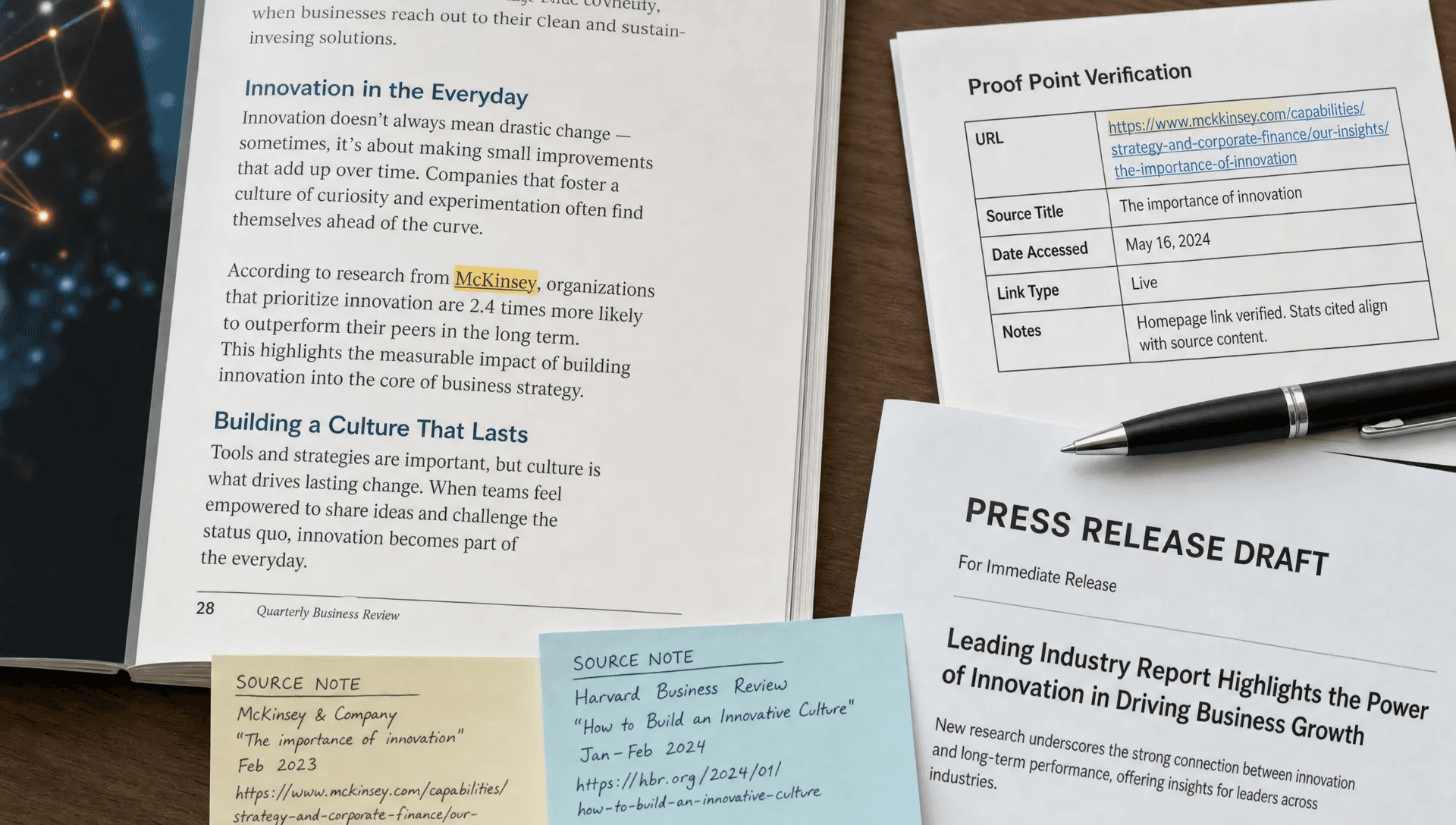
Do not measure success only by the number of links. Track relevance, referral traffic, branded search lift, assisted conversions, indexation, anchor text quality and whether links appear on pages a real prospect might read. For media placements, also track live URLs and proof reports so your team can verify what was published.
Common mistakes that make link building less effective
The fastest way to weaken a campaign is to chase volume without context. Hundreds of low-relevance links can create noise, not authority. In some cases, they can also create risk.
Common mistakes include using the same anchor text repeatedly, placing links on sites with no topical connection, outsourcing to vendors that cannot show live examples and publishing generic guest posts that say nothing new. Another mistake is separating PR, SEO and brand strategy into different silos. The strongest campaigns usually connect all three.
This is why modern link building strategies should be reviewed by both SEO and brand stakeholders. SEO teams can evaluate crawlability, anchor text and relevance. Brand teams can judge whether the placement supports credibility. PR teams can assess whether the story has editorial value.
If a placement would embarrass you in front of a customer, investor or journalist, it probably does not belong in your link profile.
Frequently Asked Questions
Do backlinks still matter in 2026? Yes. Backlinks still help search engines discover, contextualize and evaluate pages, but quality matters more than raw quantity. Relevance, editorial value and brand credibility are far more important than link volume alone.
What are the safest link building strategies for new websites? New websites should start with expert content, digital PR around real milestones, unlinked mention reclamation and partnerships with relevant brands. These tactics build authority without relying on manipulative shortcuts.
How many backlinks does a website need to rank? There is no universal number. A page in a low-competition niche may rank with few links if the content is strong and the domain is trusted. Competitive topics often require consistent, relevant backlinks from credible sources over time.
Are press releases good for link building? Press releases can support link building when they announce something genuinely newsworthy and are distributed through reputable channels. They should not be used as a way to manufacture keyword-stuffed links at scale.
How should I judge backlink quality? Look at topical relevance, editorial context, traffic potential, anchor text, indexability and the reputation of the publication. A link on a trusted industry page is usually more valuable than dozens of unrelated placements.
Build links that also build trust
The link building strategies that still work in 2026 are not tricks. They are repeatable ways to make your brand more useful, more cited and more visible across search, media and AI discovery.
If you want guaranteed media placements with live links, editorial review and proof reporting, MediaBoost helps brands distribute press releases across 500+ trusted publications. Explore MediaBoost to see how strategic media coverage can support visibility, credibility and a stronger search presence.