Dofollow Backlinks: What They Signal and When They Matter
Dofollow backlinks can support SEO, but only when they come from credible, relevant pages with real context. This guide explains what they signal, when they matter and how to judge quality without risky shortcuts.
Get featured on 500+ media outlets
Guaranteed placement, no PR experience needed.
A dofollow backlink is one of the most discussed SEO assets because it can help search engines understand which pages other sites trust enough to reference. But the phrase is often used too loosely. A dofollow link is not automatically powerful, safe or valuable. It is simply a link that is eligible to pass ranking signals because it has not been qualified with attributes such as nofollow, sponsored or ugc.
That distinction matters. In competitive search results, a relevant dofollow backlink from a credible publication can support authority, discovery and brand trust. In the wrong context, the same label can mean very little or even create risk if the link looks manipulative.
This guide explains what dofollow backlinks signal, when they matter most and how to evaluate them before investing time, budget or PR resources into link acquisition.
What “dofollow” actually means
“Dofollow” is not a formal Google link attribute. It is an SEO shorthand for a normal hyperlink that search engines can crawl and evaluate without a qualifying rel attribute telling them to treat the link differently.
A standard link might look like this:
<a href="https://example.com">brand name</a>
A nofollowed link might look like this:
<a href="https://example.com" rel="nofollow">brand name</a>
Google’s documentation on qualifying outbound links explains when site owners should use attributes such as nofollow, sponsored and ugc. In plain terms, a normal crawlable link can be considered for ranking signals, while a qualified link gives search engines extra context about the nature of the endorsement.
That does not mean every dofollow link passes equal value. Search engines evaluate the page, the site, the anchor text, the surrounding content, the link’s placement and many other factors. The label opens the door. Quality determines whether the signal is meaningful.
What dofollow backlinks signal to search engines
Search engines use links as part of a larger trust and relevance system. A dofollow backlink can send several useful signals when it appears in a genuine editorial context.
| Signal | What it can communicate | What makes it stronger |
|---|---|---|
| Trust | Another site is willing to reference your page | The linking site has editorial standards and a real audience |
| Relevance | Your page is connected to a topic, niche or industry | The article’s subject closely matches your business or content |
| Discovery | Search engines can find or revisit your page through the link | The linking page is indexable and internally connected |
| Authority | Your page may deserve more consideration in search results | The backlink comes from a credible, established source |
| Entity context | Your brand is associated with certain products, services or expertise | The mention uses accurate brand language and clear surrounding context |
For brands, the most important point is that backlinks are not just mechanical SEO inputs. They also help define how your company is understood across the web. If reputable sites consistently connect your brand to a specific category, product type or expertise area, that repetition can strengthen the broader digital footprint search engines and AI systems use to interpret your business.
Dofollow vs nofollow backlinks: the practical difference
A dofollow backlink is usually more desirable for traditional SEO because it is eligible to pass ranking signals. A nofollow link may not carry the same direct ranking potential, but that does not make it useless.
Nofollow links can still drive referral traffic, create brand awareness, diversify a backlink profile and contribute to the way people discover your business. In some cases, a nofollow link from a major publication can be more valuable for credibility and traffic than a dofollow link from an unknown, irrelevant website. If you want the full comparison, MediaBoost has a detailed guide on why nofollow links still matter for your business.
The better question is not “dofollow or nofollow?” in isolation. The better question is whether the link sits in a trusted environment, points to a relevant page and supports the business outcome you care about.
When dofollow backlinks matter most
Dofollow backlinks matter most when they help validate a page that already deserves visibility. They are not a substitute for useful content, technical SEO or a clear offer. They work best when they reinforce a strong foundation.
When you are competing in a crowded search result
If your target keywords have many established competitors, on-page optimization alone is often not enough. Search engines need signals that help decide which credible pages deserve higher visibility. Relevant dofollow backlinks can help separate a legitimate brand from thin affiliate pages, low-value content or businesses with weak online proof.
This is especially important in categories where many companies make similar claims. A software provider, agency, health brand or financial services company may have well-written pages, but authoritative third-party references can help validate that the brand exists beyond its own website.
When you are building authority for a new brand or new product
New brands often face a visibility gap. They may have a polished website and a strong offer, but search engines have limited external evidence to assess them. Dofollow backlinks from reputable publications, partners or industry resources can help establish early credibility.
This is where digital PR and press release distribution can be useful. A relevant media mention does more than create a backlink. It gives customers, journalists, partners and search systems a public reference point for the brand.
When the source is topically relevant
Topical relevance is one of the clearest differences between a useful backlink and a vanity metric. A dofollow link from a relevant industry article usually carries more business meaning than a link from a random high-authority site with no connection to your market.
For example, a retail technology company earns stronger topical context from coverage around e-commerce performance, Core Web Vitals and AI-powered digital transformation for retail than it would from a generic directory page that accepts any submission.
The more naturally your brand fits the page’s subject, the easier it is for readers and search engines to understand why the link exists.
When the link supports a commercial page with real value
Many brands focus only on backlinks to blog posts because informational content is easier to promote. That can work, but commercial pages also need authority if they target competitive queries. A dofollow backlink pointing to a service page, case study, product page or industry landing page can be valuable when the destination is genuinely useful.
The key is intent alignment. If the linking article discusses a problem your commercial page solves, the link feels natural. If the anchor is forced into unrelated content, it looks like manipulation.
When you care about AI search visibility
AI-powered search and answer engines rely on signals across the open web to understand which brands are credible, cited and relevant to specific topics. Backlinks are not the only input, but high-quality references can support the broader footprint that AI systems evaluate.
Media mentions, consistent brand descriptions and credible links can all help reinforce your entity. For more on this shift, see MediaBoost’s guide to how quality backlinks shape brand visibility in the AI era.
When a dofollow backlink does not matter much
A dofollow backlink can be technically “followed” and still provide little value. This happens when the link lacks relevance, trust or visibility.
A dofollow link is usually weak when it comes from:
- A page with no clear editorial purpose
- A site that publishes unrelated topics in bulk
- A directory, coupon site or scraper page with thin content
- A page that is not indexed or is blocked from crawling
- A sidebar, footer or author bio repeated across many pages
- An article written mainly to host outbound links
- A placement using unnatural exact-match anchor text
The risk increases when the link appears to exist only for SEO. Google’s spam policies are designed to reduce the impact of manipulative link practices, including paid links that pass ranking credit without proper qualification. If you are paying for exposure, PR support or distribution, the placement should still be relevant, transparent and useful to readers.
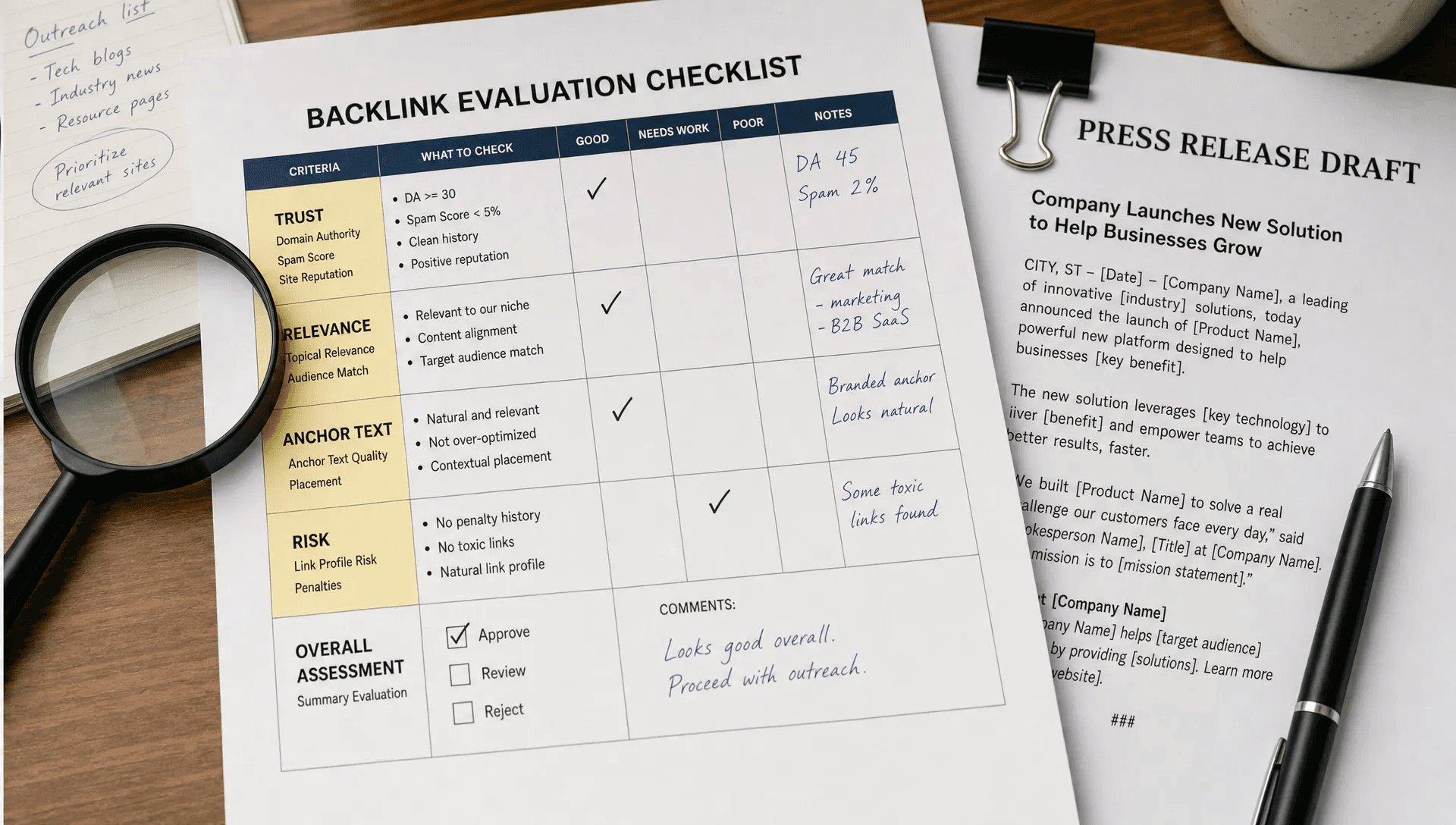
This is why link analysis should look beyond surface metrics. Domain authority scores, traffic estimates and dofollow labels can help with screening, but they do not replace human review. MediaBoost’s framework for analyzing backlinks for quality, relevance and risk is a useful next step if you want a more detailed evaluation process.
How to evaluate a dofollow backlink before you pursue it
Before chasing a placement, review the link as both an SEO asset and a brand asset. A backlink that helps search visibility but harms trust is not worth much. A brand mention that drives qualified attention may be valuable even if the SEO impact is harder to measure.
Start with the page itself. Is it written for a real audience? Does it have a clear topic? Would a potential customer understand why your brand is mentioned there? If the answer is no, the link may not be worth pursuing.
Then look at the site. Strong backlink sources usually have recognizable editorial standards, consistent topical focus and a publishing history that does not look like a link marketplace. They do not need to be household-name publications, but they should have a reason to exist beyond selling placements.
Anchor text also matters. Natural anchors often use your brand name, URL, product category or a phrase that fits the sentence. Over-optimized anchors such as “best cheap CRM software” repeated across many sites can create a pattern that looks engineered.
Finally, evaluate the destination page. A dofollow backlink to a thin, outdated or poorly matched page will not do much. Make sure the page being linked to answers the reader’s implied need, loads properly and gives search engines enough content to understand its purpose.
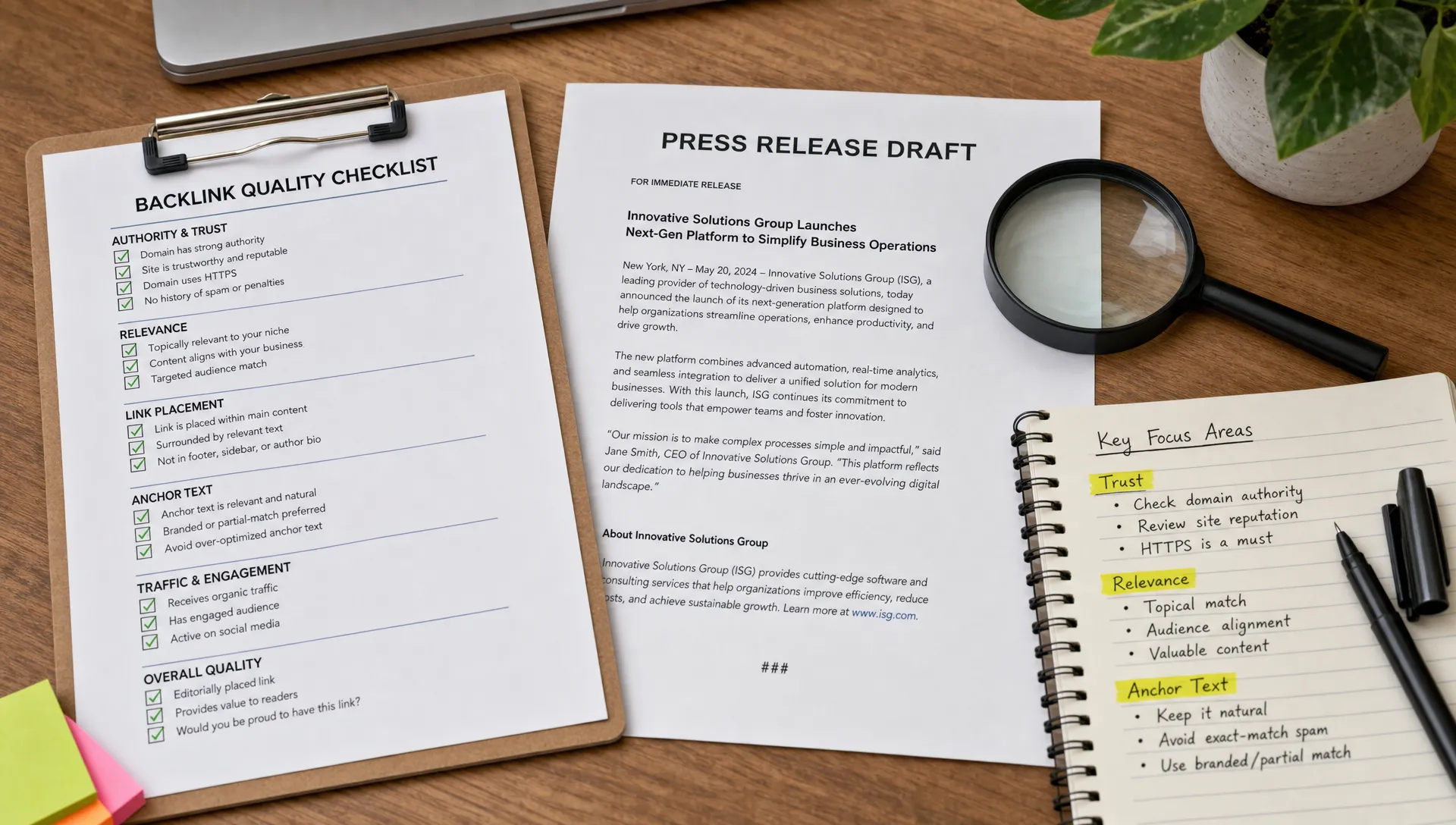
A simple quality checklist for dofollow backlinks
Use this checklist before approving a link opportunity or reporting on a placement.
| Question | Strong sign | Weak sign |
|---|---|---|
| Is the linking page relevant? | The article topic naturally connects to your business | The link is inserted into unrelated content |
| Is the source credible? | The site has editorial standards and recognizable topics | The site publishes anything for anyone |
| Is the page indexable? | The page can be crawled and appears in search | The page is blocked, orphaned or deindexed |
| Is the anchor natural? | Brand, URL or context-based wording | Repeated exact-match commercial keywords |
| Is the link visible to readers? | It appears in the body content where it adds value | It is hidden in a footer, widget or irrelevant list |
| Does the destination page satisfy intent? | The linked page is useful, current and clear | The page is thin, sales-heavy or unrelated |
This kind of review keeps your team focused on durable quality rather than chasing every dofollow link available.
How press release distribution fits into dofollow backlink strategy
Press release distribution can support backlink strategy when the story is newsworthy, the placement network is credible and the reporting is transparent. It is most effective when you have something concrete to announce, such as a launch, funding milestone, executive appointment, expansion, partnership or research finding.
For SEO, the value comes from more than a link attribute. A distributed release can create branded search demand, third-party proof, referral paths and media references that support trust. For sales and partnerships, credible publication logos and live coverage can also help reduce friction when prospects research your company.
MediaBoost helps brands distribute press releases across 500+ media outlets with done-for-you submissions, editorial review, live links and proof reports. Because packages can vary by industry and placement type, it is smart to clarify your goals before launch. If dofollow links are a priority, ask how link attributes are handled, which pages will be linked and how proof will be delivered.
That conversation matters because no responsible backlink strategy should depend on a single link type. A healthy profile includes a mix of media mentions, editorial links, partner references, branded citations and useful content that earns attention over time.
How to build dofollow backlinks safely
Safe link building starts with a simple principle: create reasons for credible sites to reference you. That might sound less exciting than shortcut tactics, but it is much more durable.
Useful approaches include publishing original data, contributing expert commentary, creating comparison resources, building industry tools, announcing legitimate company news and partnering with organizations that already serve your audience. Digital PR is especially effective because it connects link acquisition with stories journalists and readers actually care about.
If you are developing a repeatable program, anchor it in relevance, editorial value and measurement. MediaBoost’s guide to safe SEO backlink building for lasting growth breaks down how to avoid shortcuts that can damage trust.
The goal is not to collect as many dofollow backlinks as possible. The goal is to build a backlink profile that makes sense when a human reviews it. If a future customer, journalist or search quality reviewer looked at your links, the pattern should feel credible.
Common mistakes brands make with dofollow backlinks
The first mistake is treating “dofollow” as the only quality standard. A followed link from a weak page can be less useful than a nofollow mention from a trusted publication that sends qualified traffic and creates social proof.
The second mistake is using exact-match anchors too aggressively. Natural backlink profiles usually include brand names, URLs and varied phrases. If every link points to the same page with the same commercial anchor, the pattern can look artificial.
The third mistake is ignoring the destination page. Backlinks can help a page get discovered and evaluated, but they cannot make a poor page satisfy search intent. Before building links, improve the content, structure, internal linking and conversion path on the page you want to promote.
The fourth mistake is separating PR from SEO. In modern search, brand mentions, media coverage and backlinks often work together. A placement that builds trust with customers can also support organic visibility, especially when it comes from a relevant source and uses accurate brand context.
Frequently Asked Questions
Are dofollow backlinks better than nofollow backlinks? Dofollow backlinks are usually more valuable for direct SEO because they are eligible to pass ranking signals. Nofollow backlinks can still support referral traffic, brand visibility and a natural backlink profile.
How can I tell if a backlink is dofollow? Inspect the link in the page source or use an SEO browser extension. If the link does not include rel="nofollow", rel="sponsored" or rel="ugc", it is commonly described as dofollow.
Do dofollow backlinks guarantee higher rankings? No. Rankings depend on content quality, search intent, technical SEO, competition, user experience and many other signals. Dofollow backlinks can help, but they do not guarantee results.
How many dofollow backlinks do I need? There is no universal number. A few relevant backlinks from credible sources can be more valuable than hundreds of weak links. Focus on quality, topical fit and natural growth.
Can press releases create useful dofollow backlinks? They can, depending on the distribution network, publication policies, story quality and link attributes. Press releases are most useful when they support a real announcement and create credible public proof.
Turn backlinks into credible brand visibility
Dofollow backlinks matter when they come from trusted, relevant pages and support a broader visibility strategy. They matter less when they are isolated, forced or disconnected from your audience.
If your brand needs credible media placements, live links and proof reports, MediaBoost can help you distribute press releases across 500+ media outlets with industry-specific packages and editorial review. Use dofollow backlinks as one part of a stronger PR and SEO foundation, not as a shortcut around it.