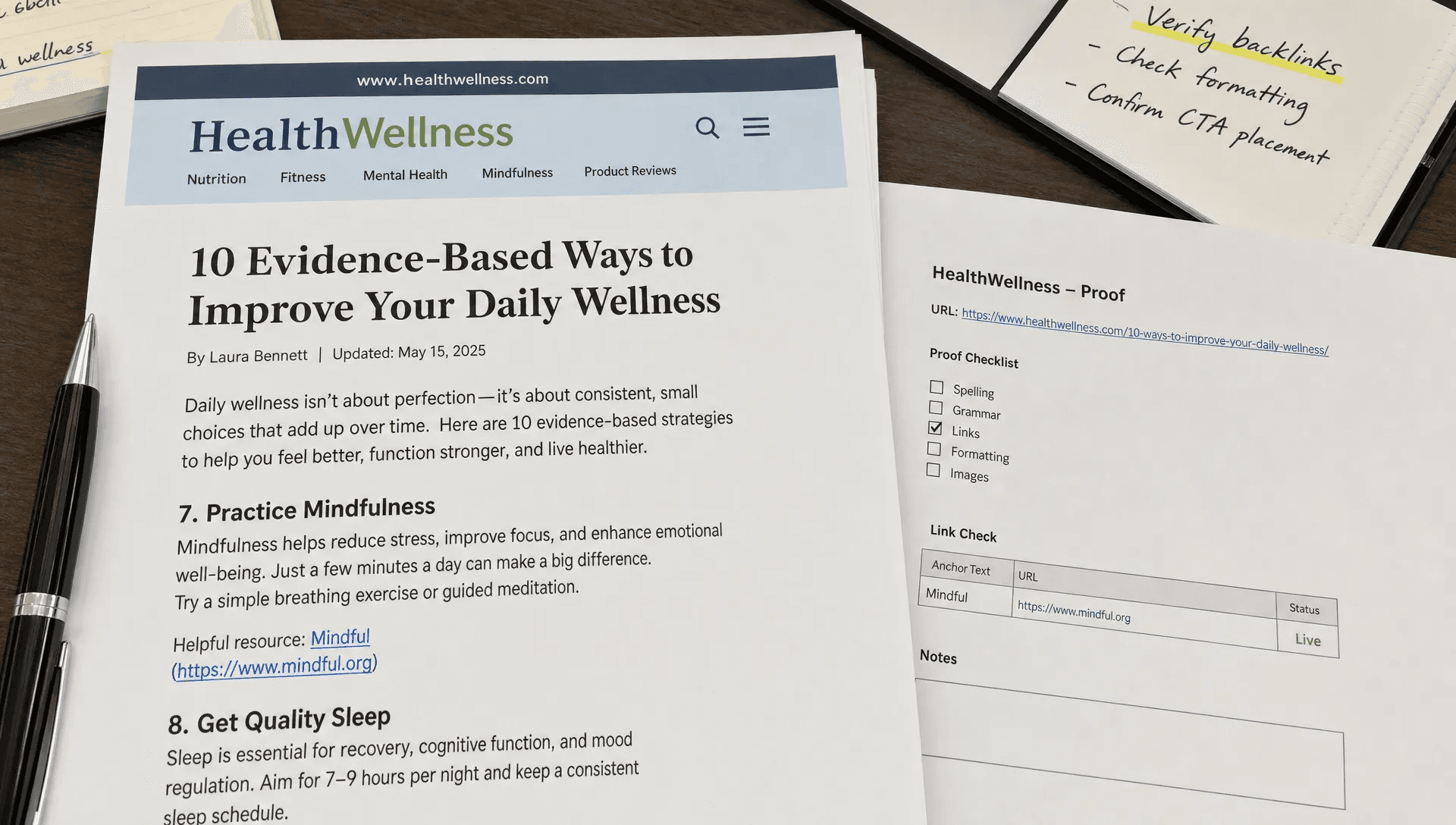
How SEO Services Use Link Building Without Cutting Corners
Good link building is not about shortcuts. Learn how reputable SEO services earn relevant links, manage risk and report results without relying on spammy tactics.
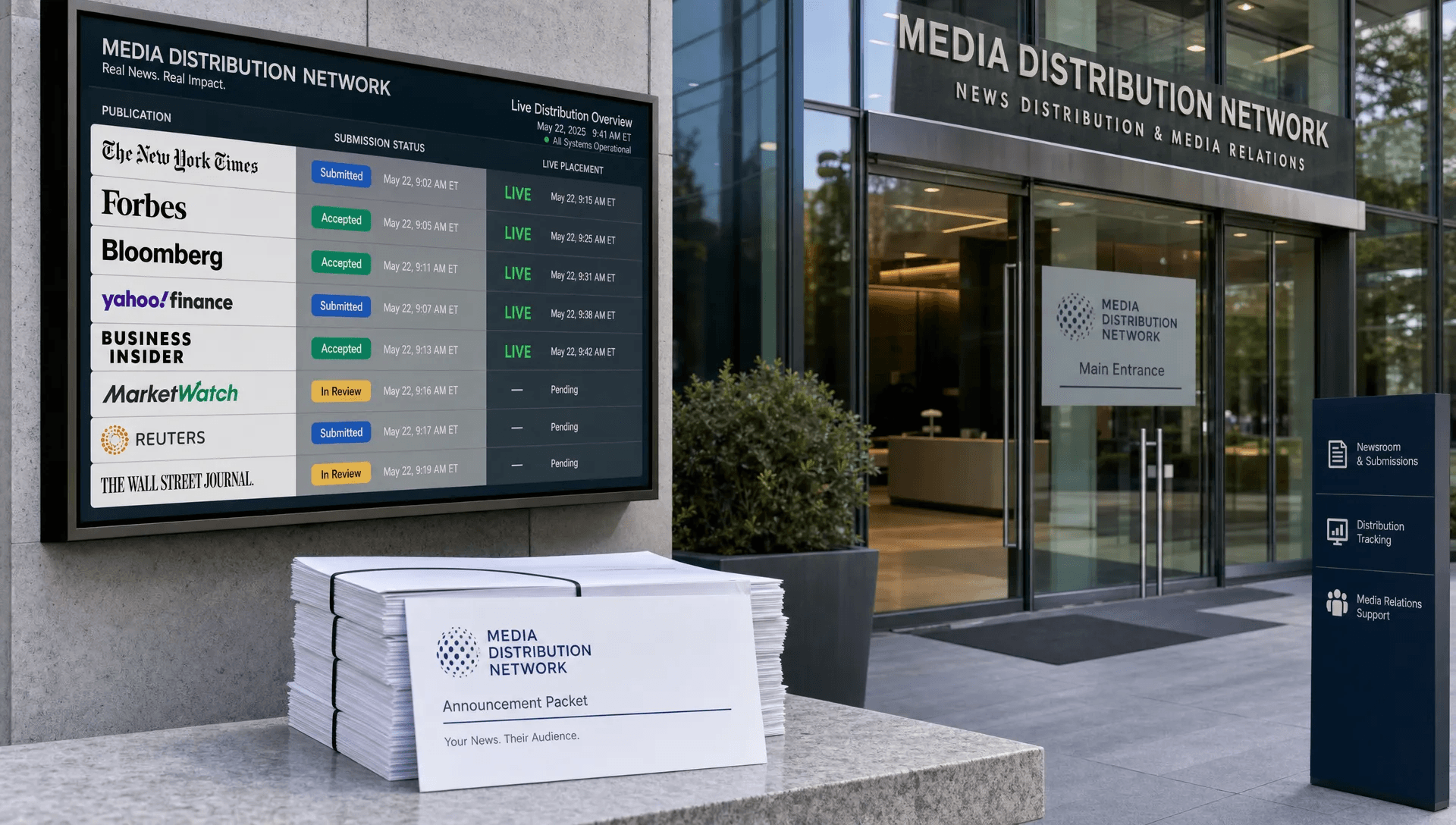
Get featured on 500+ media outlets
Guaranteed placement, no PR experience needed.
Link building has a reputation problem for a reason. Too many businesses have paid for “authority” only to receive a spreadsheet full of irrelevant links, recycled guest posts or placements on sites no real customer would ever read.
That does not mean link building is outdated. It means the standard has changed.
Good SEO services use link building to strengthen credibility, not to fake it. They look for links that make sense to a human reader, support the brand’s expertise and create a footprint that search engines can trust over time. The goal is not to hide shortcuts from Google. The goal is to build a link profile that does not need hiding.
Why cutting corners is tempting, and why it usually backfires
Shortcut link building is attractive because it promises speed, volume and certainty. A vendor might offer hundreds of backlinks for a fixed price, guarantee exact anchor text or promise fast ranking gains without asking much about the business.
Those offers usually ignore the core question: why would this site deserve to be referenced?
When there is no real editorial reason for a link, the risk rises. Search engines have become better at identifying patterns such as private blog networks, thin guest post farms, excessive exact-match anchors and irrelevant cross-niche placements. Even if those links appear to work for a short period, they can create long-term cleanup work.
The business risk is just as serious. A brand that sells accounting software does not look more trustworthy when its backlinks come from coupon farms, spun lifestyle blogs and unrelated directory pages. A brand’s link profile is now part of its public reputation. Prospects, journalists, investors and AI-powered search systems can all encounter those signals.
Common corner-cutting patterns include:
- Bulk packages that prioritize link count over relevance
- Exact-match anchor text repeated across many sites
- Guest posts written only to host a link, with no real audience value
- Paid placements with no disclosure when disclosure is appropriate
- Press releases with no news angle, published only for backlink volume
- Reports that show domain metrics but hide page quality, traffic context or editorial standards
A responsible SEO service may still work quickly, but speed should come from process, relationships and clear editorial workflows. It should not come from bypassing quality control.
What ethical link building actually means
Ethical link building does not mean waiting passively and hoping the internet notices your brand. It means creating legitimate reasons for publishers, partners, niche sites and media outlets to cite you.
That can include original research, useful resources, expert commentary, partnerships, digital PR campaigns, strong product stories and credible press announcements. The link is a byproduct of something worth referencing.
A useful way to judge any tactic is to ask whether the link would still make sense if search engines did not exist. If the answer is yes, the tactic is usually healthier. If the link only exists to manipulate rankings, it is a warning sign.
| Corner-cutting signal | Why it creates risk | Responsible alternative |
|---|---|---|
| Buying large numbers of unrelated links | Creates an unnatural footprint and weak brand context | Prioritize fewer placements from relevant sites |
| Repeating exact-match anchors | Looks manipulative and rarely reflects natural writing | Use branded, partial-match and contextual anchors |
| Publishing thin guest posts | Adds little value for readers or publishers | Pitch expert-led content with a clear audience benefit |
| Treating press releases as a ranking hack | Leads to low-quality announcements and weak engagement | Use press releases for real news, credibility and discoverability |
| Reporting only domain scores | Hides whether the link is actually useful | Report live URLs, context, anchor text, placement type and relevance |
A link does not need to be perfect to be useful. Some valuable media mentions are nofollow. Some relevant niche links come from modest sites with loyal audiences. Some branded citations help discovery even when they are not the strongest ranking signal. The standard is not “highest metric at any cost.” The standard is relevance, transparency and durability.
How reputable SEO services build links without shortcuts
The best SEO services approach link building as a structured campaign, not a link shopping exercise. The process usually starts before anyone sends an outreach email or submits a press release.
They audit the current link profile first
A link campaign should begin with a clear view of what already exists. That includes referring domains, anchor text patterns, lost links, toxic-looking placements, branded mentions, competitor links and gaps in topical authority.
This matters because every site has a different risk profile. A new ecommerce brand with almost no backlinks needs a foundation of trustworthy citations and brand mentions. A SaaS company with years of aggressive guest post links may need anchor dilution and reputation repair before pursuing more placements.
A strong audit also prevents waste. If competitors are earning links from product comparisons, research reports or industry associations, the strategy should reflect that. If they are relying on spammy networks, the right move is not to copy them blindly.
They create link-worthy assets before asking for links
Outreach works better when there is something worth sharing. That might be a data report, a practical guide, a visual resource, a founder story, a product launch, an expert quote or a genuinely useful tool.
The asset does not always need to be expensive. A well-researched industry explainer can earn links if it answers a question better than what already ranks. A niche case study can support outreach if it shows real outcomes. A press announcement can generate coverage if it contains news that matters to a specific market.
Weak services start with the target anchor text. Strong services start with the reason a publisher would care.
They match links to audience context
Relevance is not limited to matching broad categories. It also includes audience intent, geography, topic depth and the reason the link appears on the page.
For example, a direct-to-consumer apparel brand might earn relevant links through content about garment branding, packaging details or product presentation. In that context, a resource covering custom woven labels, patches and ribbons fits naturally because it supports the reader’s understanding of how physical branding elements work. The same link placed in a random article about cryptocurrency would feel forced.
That is the difference between contextual link building and link placement for its own sake. The first strengthens topical trust. The second creates noise.
They use outreach that respects publishers
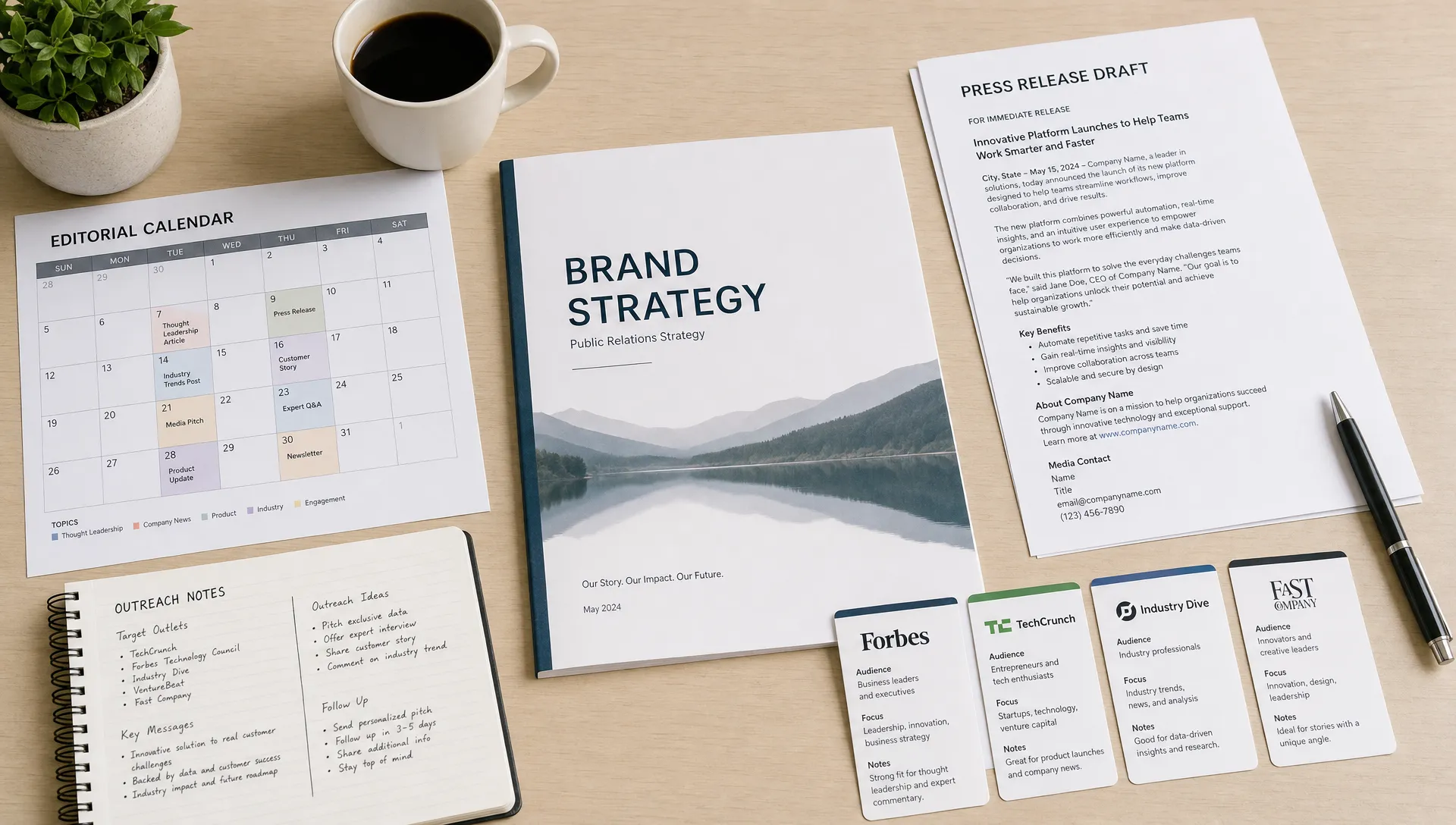
Quality outreach is targeted, specific and useful. It does not blast the same email to thousands of editors. It explains why the story, quote or resource fits the publication’s audience.
This is where experienced SEO teams and PR teams often overlap. A journalist may care about timely data. A niche blogger may care about a practical resource for readers. An industry association may care about member education. The pitch should change based on the recipient.
Reputable services also understand that editorial control belongs to the publisher. They can suggest an angle, provide assets and make the story easy to verify, but they should not promise wording that the publisher has not approved. That boundary protects both the client and the publication.
They use digital PR and press releases for the right reasons
Press releases can support SEO, but not in the simplistic “send release, get rankings” way that some vendors still sell. Their value comes from branded search demand, indexed coverage, media pickup, entity reinforcement, referral traffic and public proof.
A press release is strongest when there is actual news: a launch, funding announcement, partnership, expansion, award, research finding or milestone. It can then support a broader link building strategy by giving publishers a credible source to reference.
If you want a deeper breakdown of when this tactic helps and when it becomes risky, MediaBoost’s guide to press release link building as an SEO tactic explains the difference between news-driven distribution and manipulative link schemes.
The key is intent. A press release should make the brand more discoverable and credible. It should not be treated as a loophole for manufacturing authority.
They diversify link types
Natural link profiles are rarely made from one type of placement. A healthy campaign might include earned media mentions, partner links, niche resource pages, guest contributions, podcast pages, review coverage, local citations, industry directories and press release pickups.
This mix matters because different links serve different roles. A nofollow link from a major publication may support brand trust and referral discovery. A relevant industry resource page may send qualified visitors. A partner mention may validate a real business relationship. A branded press pickup may help customers verify that the company exists beyond its own website.
Search engines do not evaluate links in isolation. They evaluate patterns. A diverse, relevant pattern is harder to fake and more useful for the business.
The anchor text standard reputable services follow
Anchor text is one of the easiest places to over-optimize. If every new backlink uses the same commercial keyword, the profile starts to look engineered.
Responsible SEO services usually prefer a natural mix:
| Anchor type | Example | When it makes sense |
|---|---|---|
| Branded | MediaBoost | Media mentions, company profiles and citations |
| URL or domain | mediaboost.press | Direct references, directories and citation-style pages |
| Partial-match | press release distribution service | Contextual articles where the phrase reads naturally |
| Topic-based | building media credibility | Educational content and thought leadership |
| Generic contextual | this distribution report | When the surrounding sentence provides enough meaning |
Exact-match anchors are not automatically bad, but they should be rare and natural. If a publisher would not write the phrase that way without SEO instructions, the anchor probably needs to be softened.
What transparent reporting should include
A trustworthy link building report does more than list URLs. It helps the client understand what was earned, why it matters and how it fits the wider SEO strategy.
| Report item | What it should show |
|---|---|
| Live placement URL | The exact page where the brand is mentioned or linked |
| Target page | The page receiving the link |
| Anchor text | The visible text used in the link |
| Link attribute | Whether the link is follow, nofollow, sponsored or another attribute |
| Relevance notes | Why the placement fits the brand, industry or campaign |
| Publication context | Whether the link appears in news, editorial content, a resource page or a directory |
| Indexing status | Whether the page is discoverable in search results |
| Next steps | How the placement supports future content, PR or outreach |
This level of reporting creates accountability. It also helps teams avoid repeating the same tactics without learning from results.
The weakest reports rely on vanity metrics alone. Domain-level scores can be useful for quick comparisons, but they do not prove that a placement is relevant, trusted or likely to influence buyers. A link on a high-metric site can still be low value if it appears on a thin, unrelated page.
How to evaluate an SEO service before hiring
Before hiring an agency or vendor, ask how they define a good link. The answer will tell you a lot.
A credible provider should be able to explain its standards for relevance, editorial review, anchor text, reporting and risk control. It should also be honest about uncertainty. No agency can guarantee specific ranking positions because search results depend on competition, content quality, technical SEO, user behavior and algorithm changes.
Be cautious if a provider avoids questions about where links come from, refuses to share sample reports or focuses only on volume. Also be careful with any service that treats nofollow links as worthless. In modern SEO, brand visibility, referral paths and entity signals all matter, especially as search experiences become more answer-driven.
If you are comparing vendors, MediaBoost’s guide on how to choose the best link building services in 2026 covers practical evaluation criteria such as transparency, editorial standards and risk management.
Where MediaBoost fits into a clean link building strategy
Media distribution is most effective when it supports a real story. A company launch, product release, funding milestone, executive appointment or industry report can all become credible reasons to appear across trusted publications.
MediaBoost helps brands distribute press releases and secure media placements across a broad network of outlets. The service includes done-for-you submissions, editorial review, live links and SEO proof reports, with packages tailored by industry and turnaround that can often be completed quickly.
That makes it useful for brands that need more than manual outreach alone. It can help create public proof, strengthen branded search results and support visibility in search and AI-driven discovery environments. The clean approach is to use distribution as one piece of a broader authority strategy, alongside strong website content, technical SEO, expert-led resources and ongoing brand building.
Frequently Asked Questions
Do SEO services still use link building in 2026? Yes. Link building still matters, but reputable services focus on relevance, credibility and editorial context instead of bulk link volume. The best campaigns support both search visibility and brand trust.
Is paid link building always risky? Paying for SEO or PR work is not the same as buying manipulative links. The risk depends on how links are acquired, whether editorial standards exist, how attribution is handled and whether the placements are relevant.
Are nofollow links valuable? They can be. Nofollow links may not pass authority in the same way as traditional followed links, but they can still support referral traffic, brand discovery, media credibility and a more natural link profile.
How many backlinks should an SEO service build each month? There is no universal number. A local service business, SaaS company and ecommerce brand may all need different pacing. Quality, relevance and consistency matter more than hitting an arbitrary monthly quota.
Can press releases help with link building? Yes, when they are tied to real news and distributed through credible channels. Press releases are best used for visibility, trust signals, indexed coverage and media pickup rather than as a shortcut to manipulate rankings.
Build authority without shortcuts
Clean link building is slower than spam, but it creates assets that last longer and reflect better on the brand. The right SEO service should help you earn links that make sense to readers, withstand scrutiny and support the bigger goal of being recognized as a credible company.
If your brand has a real announcement and wants credible media visibility, MediaBoost can help you turn that story into trusted placements, live links and proof reports without relying on cut-corner tactics.