How to Choose an Online Press Release Service
Choosing a press release partner is not just about the biggest outlet list. This guide shows how to compare networks, guarantees, reporting, pricing and industry fit so your announcement earns credible visibility.
Get featured on 500+ media outlets
Guaranteed placement, no PR experience needed.
Choosing an online press release service is less about finding the loudest promise and more about matching the right distribution model to your announcement, audience and business goal. A strong provider should help you publish a credible story, place it in relevant media environments, give you proof of live coverage and avoid shortcuts that make your brand look spammy.
That matters because press release distribution sits between PR, SEO, brand trust and sales enablement. A launch announcement can support investor conversations. A funding release can validate your company for prospects. A new office, partnership or product update can create public proof that your business is active and growing.
The wrong service, however, can turn the same announcement into a thin piece of content scattered across low-value pages no one cares about. Use the criteria below to compare providers before you buy.
Start with the outcome you actually need
Before comparing outlet counts or package prices, define what success should look like. Press release services are not all built for the same job. Some are designed for broad syndication. Some focus on high-authority business publications. Some help with local visibility. Others are more like journalist databases or DIY posting tools.
Your goal should shape the service you choose:
- Credibility: You want public proof that your company, founder or product has been featured on recognizable media sites.
- Search visibility: You want your brand name, announcement and key entities to appear across trusted pages that search engines can crawl.
- AI visibility: You want more consistent brand signals across credible sources that AI search systems may reference.
- Launch awareness: You need fast distribution for a product, event, partnership or funding announcement.
- Industry trust: You want coverage in outlets that make sense for your niche, not just a large number of generic placements.
If your press release itself is not ready, fix that before paying for distribution. Clear writing, a real news angle and a strong first paragraph affect how the release is received. MediaBoost has a practical guide on writing a press release that gets picked up fast if you need to tighten the story before choosing a distribution partner.
Understand the main types of press release services
The term online press release service can mean several different things. Comparing them as if they are identical leads to bad decisions.
| Service type | Best for | What to watch |
|---|---|---|
| Broad syndication service | Fast publication across many partner outlets | Outlet quality, duplicate pages and unclear reporting |
| Premium wire service | Public company news, investor relations and formal corporate announcements | Higher cost and no guarantee of journalist-written coverage |
| Done-for-you media placement service | Brands that want packaged distribution, live links and proof reports | Whether placements are guaranteed and which outlets are included |
| Journalist pitching platform | Teams with PR staff who can pitch reporters directly | Requires time, skill and follow-up |
| Free submission directory | Very small updates or testing a release format | Often limited authority, weak visibility and little control |
For many businesses, a done-for-you service is the practical middle ground. It can be faster than pitching from scratch and more structured than posting to free directories, especially when the provider includes editorial review, submissions and final proof in one package.
Evaluate the network by relevance, not just size
A provider advertising hundreds of outlets can be valuable, but outlet count alone is a weak buying signal. A list of 500+ placements sounds impressive only if those placements are legitimate, indexable and connected to audiences that might care about your news.
Ask how the network is organized. Does the provider have industry-specific packages? Can it support business, technology, finance, real estate, health, consumer products or local market announcements differently? A cybersecurity launch and a restaurant franchise expansion should not be distributed with the exact same outlet strategy.
Industry fit matters most when your brand serves a specific market. A flat-fee MLS and real estate brokerage such as NetRealtyNow would need a different media context than a SaaS analytics startup, because its buyers, trust signals and geographic relevance are different. The same principle applies to law firms, ecommerce brands, agencies, medical practices, nonprofits and B2B software companies.
A good service should be able to explain why its outlets fit your announcement. If the answer is only that the network is large, keep asking questions.
Demand clarity on what is guaranteed
Press release marketing is full of words that sound similar but mean different things. Submission, distribution, pickup, placement and coverage are not interchangeable.
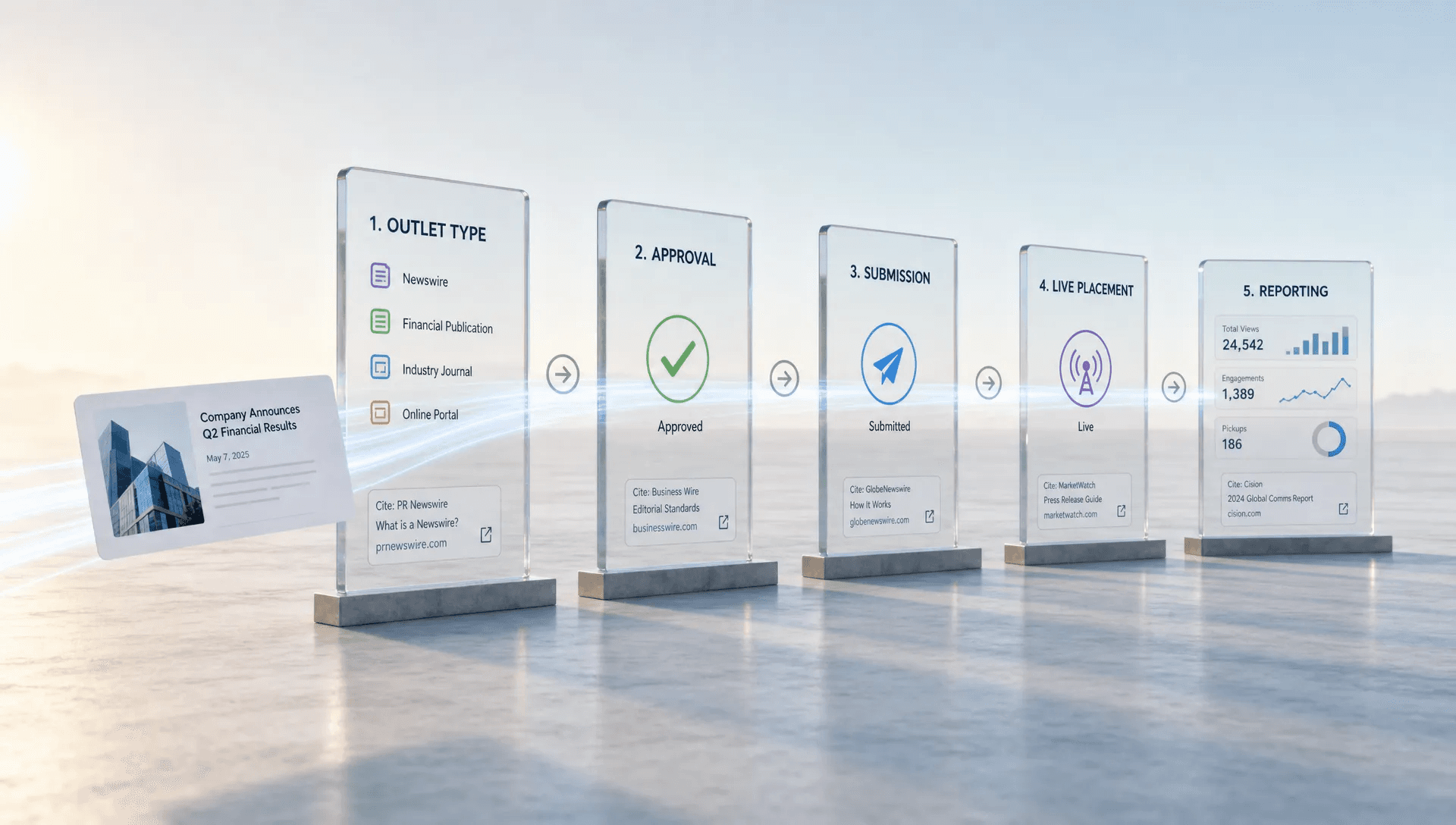
Submission means the release was sent to outlets or partner systems. Placement means the release appeared on a live page. Earned coverage usually means a journalist, editor or publication created or expanded a story based on your announcement. Most distribution packages do not guarantee earned editorial articles unless that is clearly part of the service.
Use this table when comparing guarantees:
| Provider claim | What it should mean | Question to ask |
|---|---|---|
| Guaranteed submission | The release will be sent through the provider's distribution process | Does this include proof of where it was submitted? |
| Guaranteed placement | The release will appear on live pages | How many live URLs are guaranteed? |
| Guaranteed backlinks | Published pages will include links to your site | Are the links included in the final proof report? |
| 48-hour turnaround | The campaign can be completed quickly after approval | Does the clock start after editorial approval or payment? |
| SEO report included | You receive documentation of placements and links | What exactly appears in the report? |
The best providers define deliverables before you pay. If a company guarantees results but will not say whether that means live links, outlet names, publication URLs or a report, the guarantee is too vague to rely on.
Check editorial review and content standards
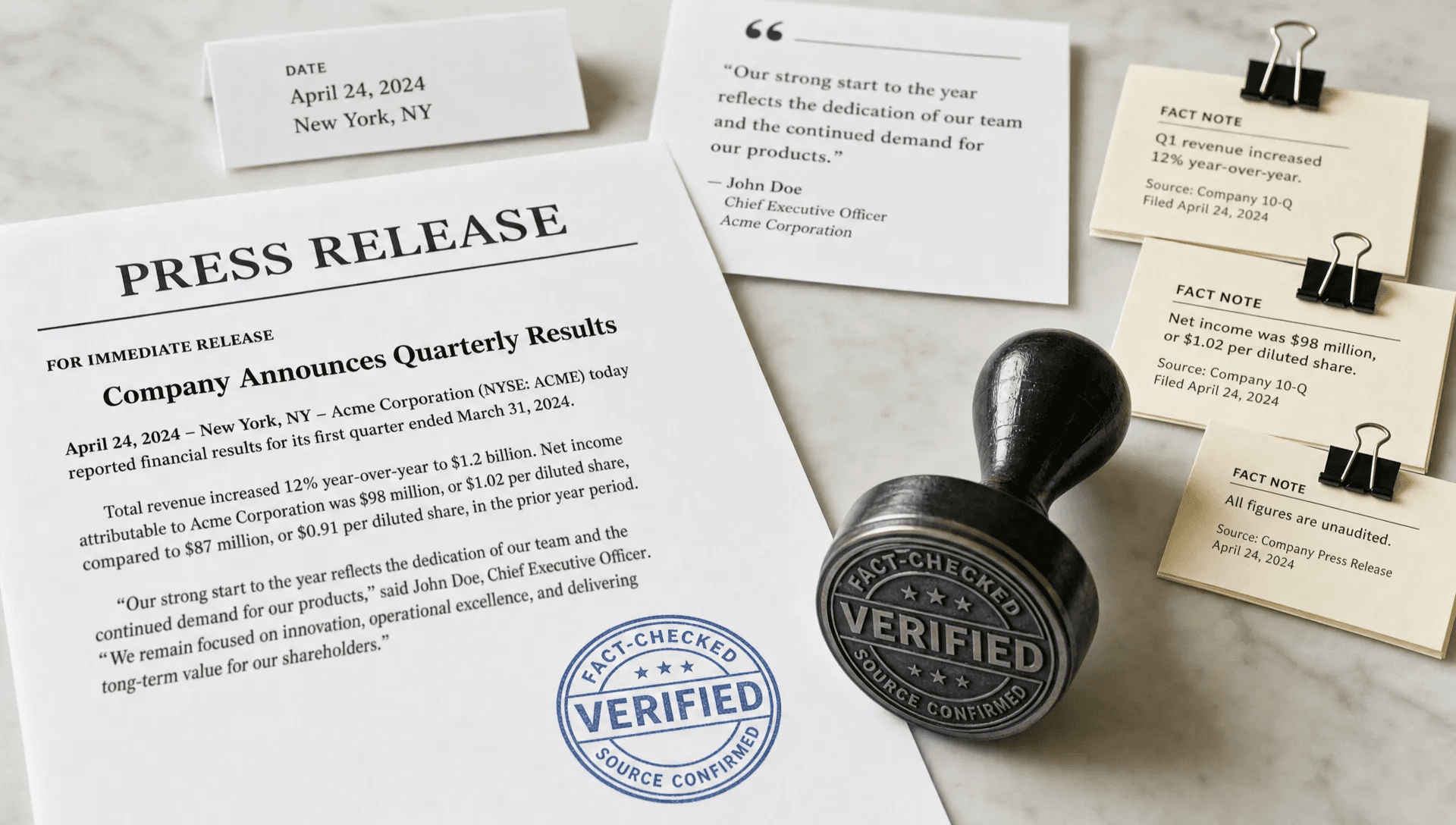
A press release distribution partner should care about what you publish. Editorial review is not just a nice extra. It helps protect your brand from weak claims, unclear structure, missing context and promotional language that reads more like an ad than a news announcement.
A solid review process should check for the basics: a newsworthy angle, factual clarity, readable formatting, contact details, relevant links and a boilerplate that accurately describes the company. The service does not need to rewrite your entire brand story unless that is part of the package, but it should flag obvious problems before submission.
Be cautious with providers that accept anything instantly with no review. Speed is useful, but press releases still represent your company in public search results. If the content is exaggerated, stuffed with keywords or written in a way that feels untrustworthy, broad distribution can spread that problem across many pages.
Compare proof reporting, not vanity metrics
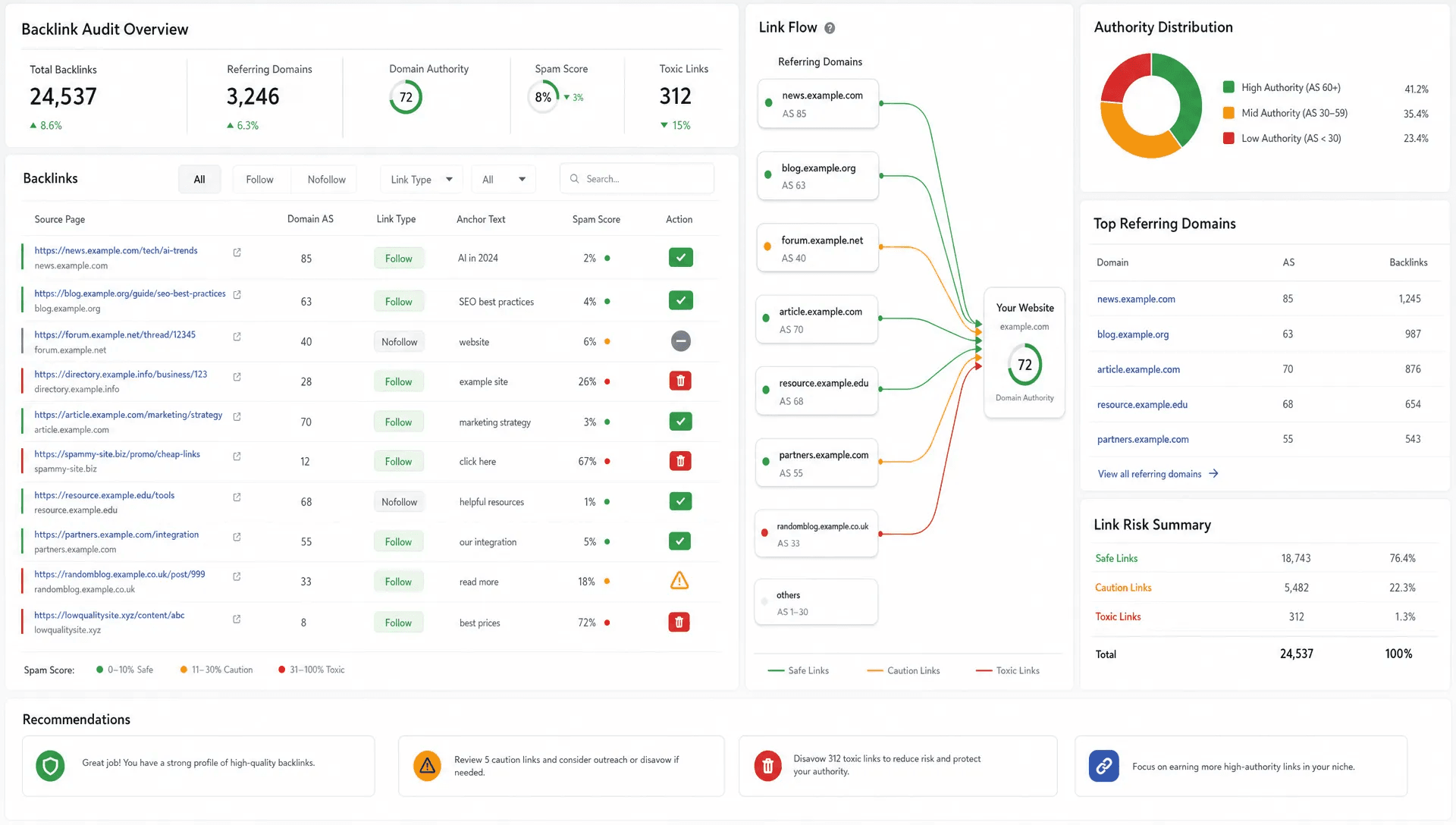
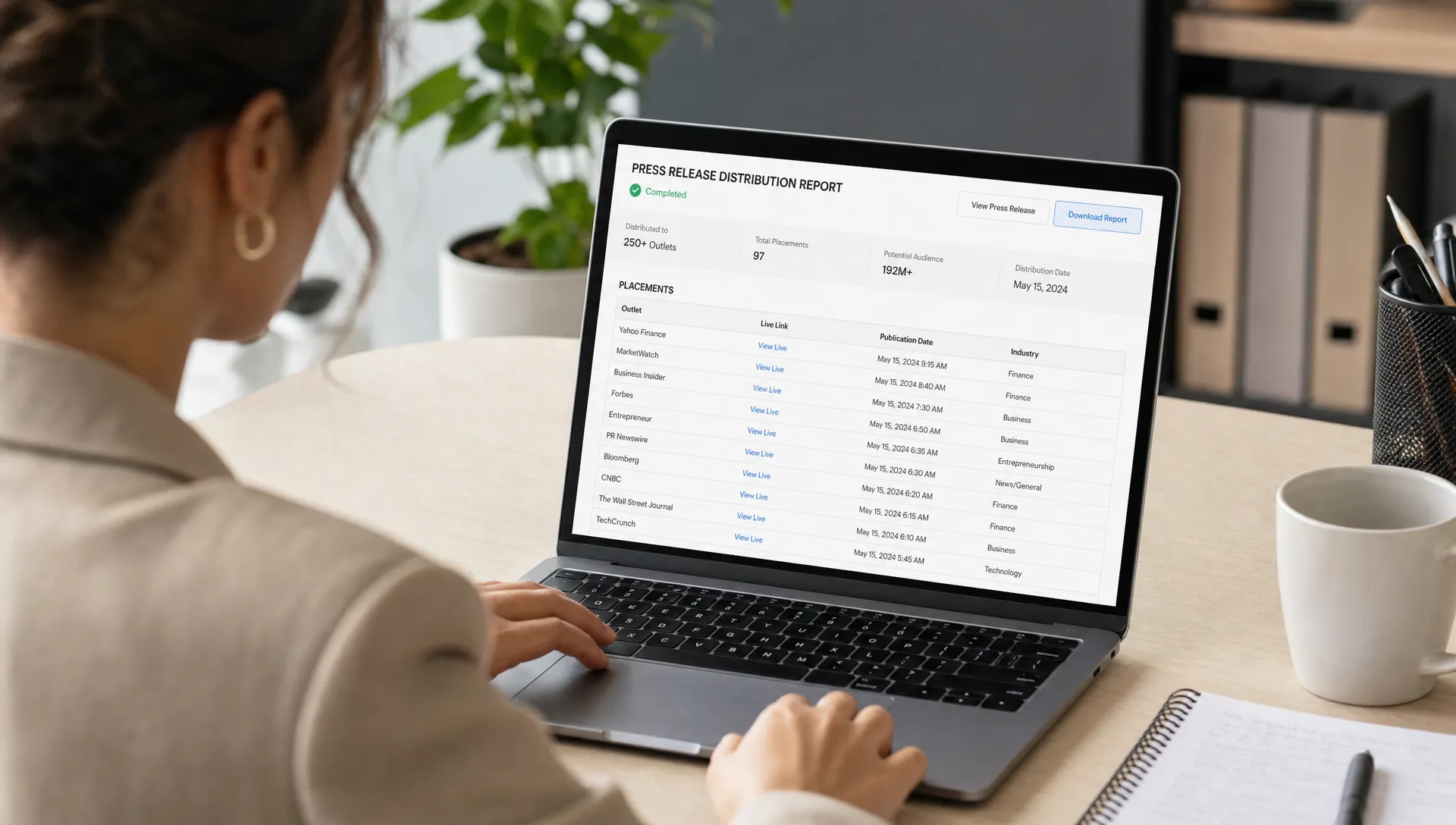
A serious online press release service should give you a report after publication. Screenshots can help, but live URLs are more useful because your team can verify the pages, share them with stakeholders and use them as proof in sales, recruiting, investor or partnership conversations.
The best reports make it easy to understand what happened. At minimum, look for outlet names, live links, publication dates and any link details the provider promises in its package. If the service claims SEO value, the report should help you see the actual pages connected to your campaign.
MediaBoost, for example, emphasizes guaranteed media placements, live backlinks and proof reports across 500+ outlets. Those are the kinds of concrete deliverables buyers should look for, regardless of which provider they ultimately choose.
Look at pricing through the lens of risk and value
Press release distribution pricing can vary widely because services package different things. A low-cost option may simply post your release to a directory. A premium service may include editorial review, broad syndication, business publication placements, live links, reporting and account support.
The cheapest option is not always wasteful, and the most expensive option is not always best. The right question is whether the price matches your goal. If you only need a public announcement page for a minor update, a lighter service may be enough. If the release supports a major launch, funding round, agency client campaign or reputation-building effort, proof and outlet quality become more important.
| Pricing signal | What it may indicate | How to evaluate it |
|---|---|---|
| Very low price | Limited network or automated directory posting | Ask for sample outlets and live examples |
| Mid-range package | Balanced distribution and reporting | Compare included placements, links and review process |
| Premium package | Larger network, stronger outlets or faster support | Confirm the exact deliverables and timeline |
| Custom pricing | Agency, industry or volume-based campaign needs | Ask what changes from standard packages |
For agencies, custom pricing can make sense if you distribute releases for multiple clients. In that case, reporting consistency, turnaround time and white-label support may matter as much as the outlet list.
Ask how the service handles SEO and AI visibility
Press releases can support SEO when they are used as legitimate news assets, not as link schemes. A well-distributed release can create crawlable brand mentions, reinforce entity signals, publish links that users can follow and give your company more presence across the web. That is useful, but it should not be sold as a magic ranking shortcut.
Be wary of providers that promise instant rankings or encourage unnatural anchor text. Modern search quality systems are built to evaluate link intent and page quality. Press releases work best when the announcement is real, the links are reasonable and the distribution context is credible.
AI visibility follows a similar logic. Large language models and AI search tools draw from many public sources, but no distributor can force an AI system to cite your company. What a press release campaign can do is increase the number of consistent, public, crawlable references to your brand, product, executives and announcements.
If SEO is a major part of your decision, review the difference between legitimate distribution and manipulative tactics in this guide to press release link building.
Watch for red flags before you pay
A weak provider often reveals itself before the purchase. The issue is rarely one bad detail. It is usually a pattern of vague promises, missing proof and pressure to buy quickly without explaining the mechanics of distribution.
Common red flags include:
- No sample proof report or published examples
- No explanation of the difference between submission and placement
- No editorial review or quality control
- Outlet lists that are hidden until after payment
- Claims of guaranteed journalist coverage without clear terms
- Promises of instant Google rankings
- No clear refund, revision or approval process
- Packages built only around backlink quantity
A reliable service does not need to reveal every operational detail, but it should be transparent enough for you to understand what you are buying.
Use a simple decision checklist
Once you have narrowed your options, compare each provider against the same criteria. This prevents one impressive claim, such as a huge outlet count, from distracting you from missing basics.
| Selection criteria | Strong answer | Weak answer |
|---|---|---|
| Outlet relevance | Offers industry-specific distribution or explains audience fit | Uses the same generic network for every release |
| Guarantees | Defines live placements, links and reporting clearly | Uses broad language without specifics |
| Editorial process | Reviews release for clarity, structure and compliance | Publishes anything without review |
| Turnaround | Gives a realistic timeline tied to approval | Promises speed with no process details |
| Reporting | Provides live URLs and proof documentation | Sends only vague performance claims |
| SEO approach | Treats links and mentions as supporting signals | Promises rankings or encourages spammy anchors |
| Support | Answers pre-purchase questions directly | Pushes checkout before explaining deliverables |
If two providers look similar, choose the one that is clearer. In PR distribution, transparency is a quality signal.
When MediaBoost may be a fit
MediaBoost is built for brands that want done-for-you press release distribution with guaranteed placements across 500+ media outlets. Its service includes editorial review, live backlinks, proof reports, industry-specific packages and fast turnaround, often within 48 hours after the release is ready and approved.
That makes it especially relevant for founders, agencies, consultants, ecommerce brands, local businesses and B2B teams that need credible public proof without managing every submission manually. It is not a replacement for a long-term PR agency relationship if you need ongoing journalist pitching, spokesperson management or crisis communications. It is a focused distribution option for brands that want media visibility, social proof, SEO support and stronger presence in AI search environments.
Frequently Asked Questions
How do I know if an online press release service is legitimate? Look for clear deliverables, sample reports, real outlet examples, editorial review and a defined guarantee. A legitimate service should explain what you get after publication, including live URLs if placements are part of the package.
Should I choose the service with the biggest media network? Not automatically. A large network is useful only if the outlets are credible, relevant and supported by proof reporting. Industry fit and live placement quality matter more than raw outlet count.
Are guaranteed press release placements the same as earned media coverage? No. Guaranteed placements usually mean your release appears on live media or syndication pages. Earned coverage means a journalist or publication independently covers your story, often with added reporting or commentary.
Can press release distribution help SEO? It can support SEO by creating crawlable brand mentions, referral opportunities and links from published pages. It should be treated as part of a broader brand and content strategy, not a guaranteed ranking tactic.
How fast should a press release service publish my announcement? Many online services can publish within a few business days. Faster options may be available, but the timeline should allow for editorial review, approval and proper submission. A 48-hour turnaround is valuable when the process remains controlled.
Choose a service that can prove the work
The best online press release service is the one that can explain its network, tailor distribution to your industry, review your release before submission and show proof after publication. Promises matter less than live links, relevant placements and transparent reporting.
If you want a done-for-you distribution partner with guaranteed placements, editorial review and proof reports, MediaBoost can help you turn your next announcement into credible media visibility.