How to Earn Backlinks for Your Website Through Digital PR
Digital PR turns useful stories, data and expert commentary into credible media coverage. Learn how to earn backlinks for your website without relying on risky shortcuts or low quality link schemes.
Get featured on 500+ media outlets
Guaranteed placement, no PR experience needed.
Backlinks still matter, but the way brands earn them has changed. Search engines are better at detecting weak link schemes, journalists are more selective and AI search systems increasingly rely on recognizable sources to decide which brands look credible. That makes digital PR one of the most practical ways to earn backlinks for your website without relying on shortcuts.
Digital PR is not just press coverage with a new label. It combines news judgment, audience research, expert positioning and SEO thinking. When it works, your brand gives publishers a real reason to mention you, cite your data or link to a useful resource. The backlink is a result of editorial value, not a forced transaction.
For growing companies, that distinction matters. A backlink from a relevant media article, industry publication or trusted niche site can support rankings, referral traffic, brand trust and visibility in AI search. A low quality link from a random site can do the opposite, especially if it looks manipulative. Google Search Central's spam policies explicitly warn against link spam, including links intended to manipulate search rankings.
The goal is not to collect as many links as possible. The goal is to become worth citing.
Why digital PR is a strong backlink strategy
Traditional link building often starts with the link target. Digital PR starts with the story. That shift is why it tends to produce stronger links.
A journalist, editor or industry blogger does not link to your website because you want SEO value. They link because your page helps their reader verify a claim, understand a trend, access original data or find a credible source. Digital PR gives you a system for creating those reasons consistently.
This approach also aligns with how modern authority is built. Search visibility is no longer separated from reputation. A company mentioned across trusted publications, quoted in relevant industry stories and connected to credible topics sends stronger brand signals than a company with anonymous links from unrelated websites.
MediaBoost has covered this shift in more detail in its guide to link building that supports PR, SEO and brand trust. The short version is simple: the best backlinks now sit at the intersection of relevance, editorial context and public credibility.
What makes a digital PR backlink valuable?
Not every backlink helps equally. Some links may drive qualified referral traffic. Others may support brand recognition or help search engines understand your topical authority. The strongest digital PR links often do several jobs at once.
| Backlink quality factor | Why it matters | How digital PR helps |
|---|---|---|
| Topical relevance | Links from related industries provide clearer context | You pitch stories to journalists who already cover your market |
| Editorial placement | In-article links usually carry more trust than random directory links | Coverage is earned through news value or expert contribution |
| Source credibility | Trusted publications strengthen brand perception | PR targets recognized outlets, niche media and industry authorities |
| Natural anchor text | Overoptimized anchors can look manipulative | Journalists choose wording that fits the article naturally |
| Useful destination page | Links perform better when they point to something worth visiting | Digital PR campaigns often promote reports, tools, guides or data pages |
A good backlink should make sense even if SEO did not exist. If the link helps the reader, supports the publisher's article and points to a relevant resource, it is usually a healthier asset for your website.
Start with a linkable asset, not a pitch
A common digital PR mistake is pitching journalists before there is anything worth linking to. A product page may be useful to buyers, but it is rarely the best link destination for media outreach. Journalists usually need evidence, context or expert analysis.
A linkable asset gives them that. It can be a data report, original survey, benchmark, calculator, interactive tool, visual explainer, expert guide or useful industry resource. The asset should live on your website so coverage can cite it directly.
For example, a cybersecurity company might publish an annual ransomware readiness benchmark. A healthtech brand might release anonymized trend data about appointment access. A specialist international recruitment agency could earn coverage by publishing insights on executive hiring trends, compensation shifts or demand for AI leadership roles across European markets.
Strong linkable assets usually share a few traits:
- They answer a question people in the market already care about.
- They contain information that is hard to find elsewhere.
- They are easy for journalists to summarize accurately.
- They include a clear methodology when data is involved.
- They connect naturally to your brand's expertise.
If the asset feels like thin promotional content, it will be hard to earn links. If it gives the market something useful to reference, your outreach becomes much easier.
Build stories around the asset
A linkable asset is the foundation, but journalists cover stories, not PDFs. The next step is to turn your asset into several angles for different audiences.
A single report can support multiple pitches. A national business journalist may care about a broad economic trend. A local reporter may care about regional data. A trade publication may care about what the trend means for operators in one sector. A podcast host may want a founder or subject matter expert who can explain the issue in plain language.
Look for angles such as:
- A surprising data point that challenges a common assumption.
- A timely connection to regulation, funding, hiring, consumer behavior or technology adoption.
- A regional comparison that gives local publications a reason to cover the story.
- A practical takeaway for business leaders, consumers or industry professionals.
- A credible expert opinion on why the trend is happening now.
Generic company news is harder to earn links from unless the announcement has broader relevance. A funding round, product launch, partnership or expansion can work, but the pitch should explain why readers should care beyond your company. If you plan to use a press release as part of the campaign, MediaBoost's article on press release link building explains how to keep it news driven rather than manipulative.
Create a journalist first outreach list
Digital PR outreach works best when the media list is specific. Sending the same pitch to hundreds of unrelated contacts usually produces poor results and can damage future relationships.
Start by finding journalists, editors, newsletter writers, podcast hosts and bloggers who already cover your topic. Review their recent work. Look at the types of sources they quote, the data they cite and the publications they write for. Your pitch should feel like a relevant continuation of their coverage, not a cold interruption.
A focused media list might include national business reporters, industry trade publications, local outlets, niche newsletters and analysts who influence your category. For many B2B companies, a trade publication read by the right buyers can be more valuable than a broad media mention with no topical relevance.
When you write the pitch, keep it short. Lead with the story, not your company history. Mention the strongest data point or angle in the first few lines, explain why it matters now and offer a source who can comment. Include the linkable asset when it is ready to view, but do not pressure the journalist to link. Make the resource genuinely useful enough that linking feels natural.
Use expert commentary to earn backlinks over time
Not every digital PR backlink comes from a big campaign. Some of the most consistent links come from expert commentary.
Journalists often need credible sources who can explain what is happening in a market. If your founder, executive or specialist can provide concise, evidence based commentary, they can become a repeat source. Over time, those quotes may lead to backlinks to your website, author profile, research page or company resource.
This works especially well when your expertise is narrow and clear. A generic business leader is hard to pitch. A supply chain founder who can explain port disruption, a fintech compliance expert who can interpret new rules or a SaaS executive who tracks enterprise AI adoption is easier for journalists to place.
To make expert commentary link worthy, create a strong source page on your site. Include the expert's bio, credentials, areas of commentary, previous media mentions and contact details. If you have supporting research or a useful guide, connect it from that page so journalists have more context.
Distribute press releases strategically
Press releases can support digital PR, but they should not be treated as a magic backlink machine. Syndicated press release links may be nofollow, duplicated across sites or less influential than editorial coverage. Their real value is often discovery, credibility and amplification.
A well written press release can put your announcement in front of journalists, investors, partners, prospects and searchers who are looking for branded information. It can also create a public record of company milestones, which helps when prospects or AI search systems look for corroborating evidence about your brand.
This is where distribution quality matters. MediaBoost helps brands distribute press releases across 500+ trusted publications, with done for you submissions, editorial review, guaranteed live backlinks, proof reports and packages tailored by industry. For time sensitive announcements, campaigns can often be completed quickly, including 48-hour turnaround options.
Press release distribution works best when it supports a broader PR plan. Use it to announce something real, then pitch a sharper editorial angle to selected journalists. The release provides the official details. Your outreach provides the story.
Measure what matters after links go live
Digital PR is easier to improve when you measure more than link count. A campaign that earns five strong links from relevant publications may outperform a campaign that produces fifty weak placements.
Track the outcomes that connect PR to business value:
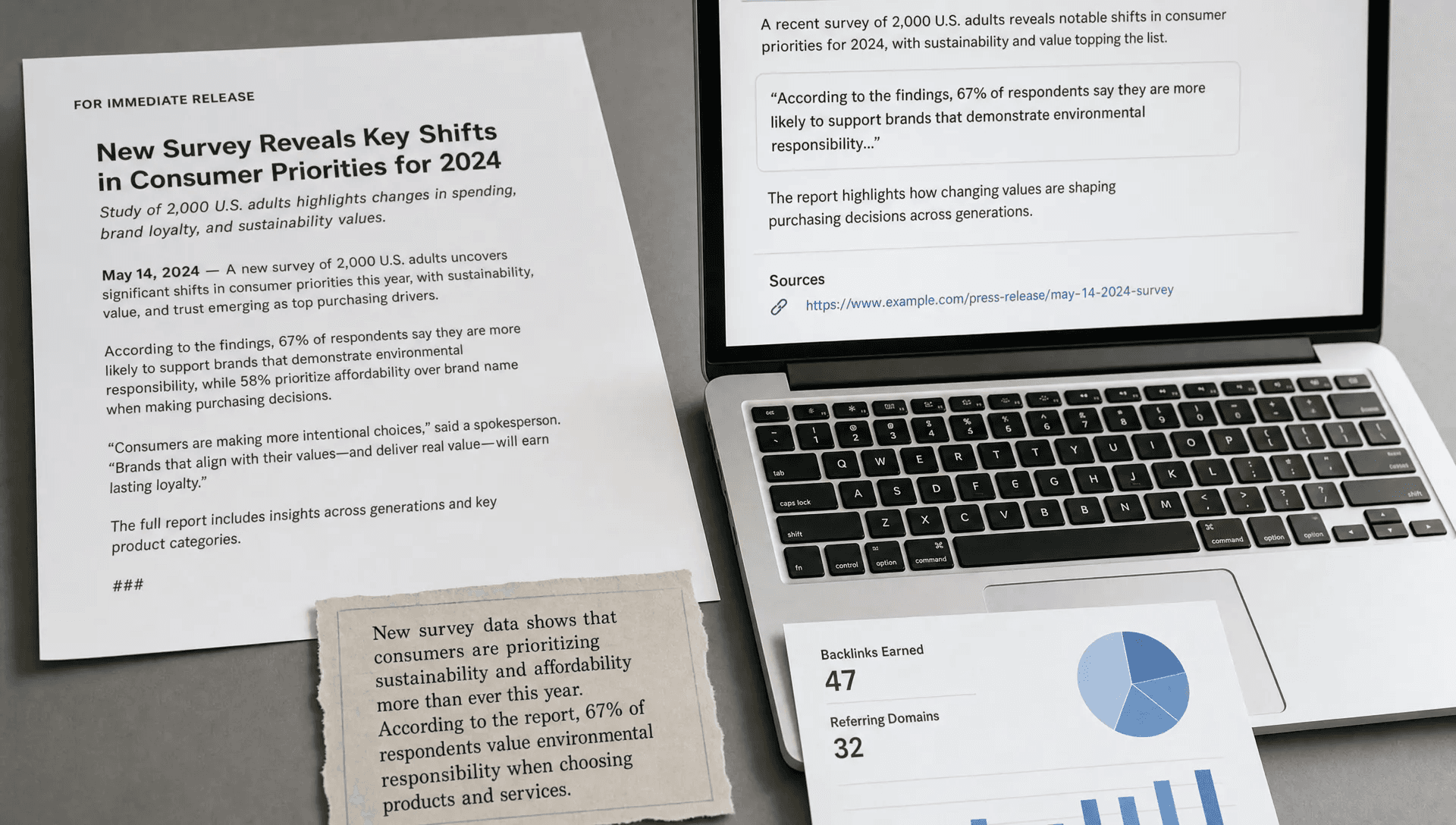
- New referring domains and the relevance of each publication.
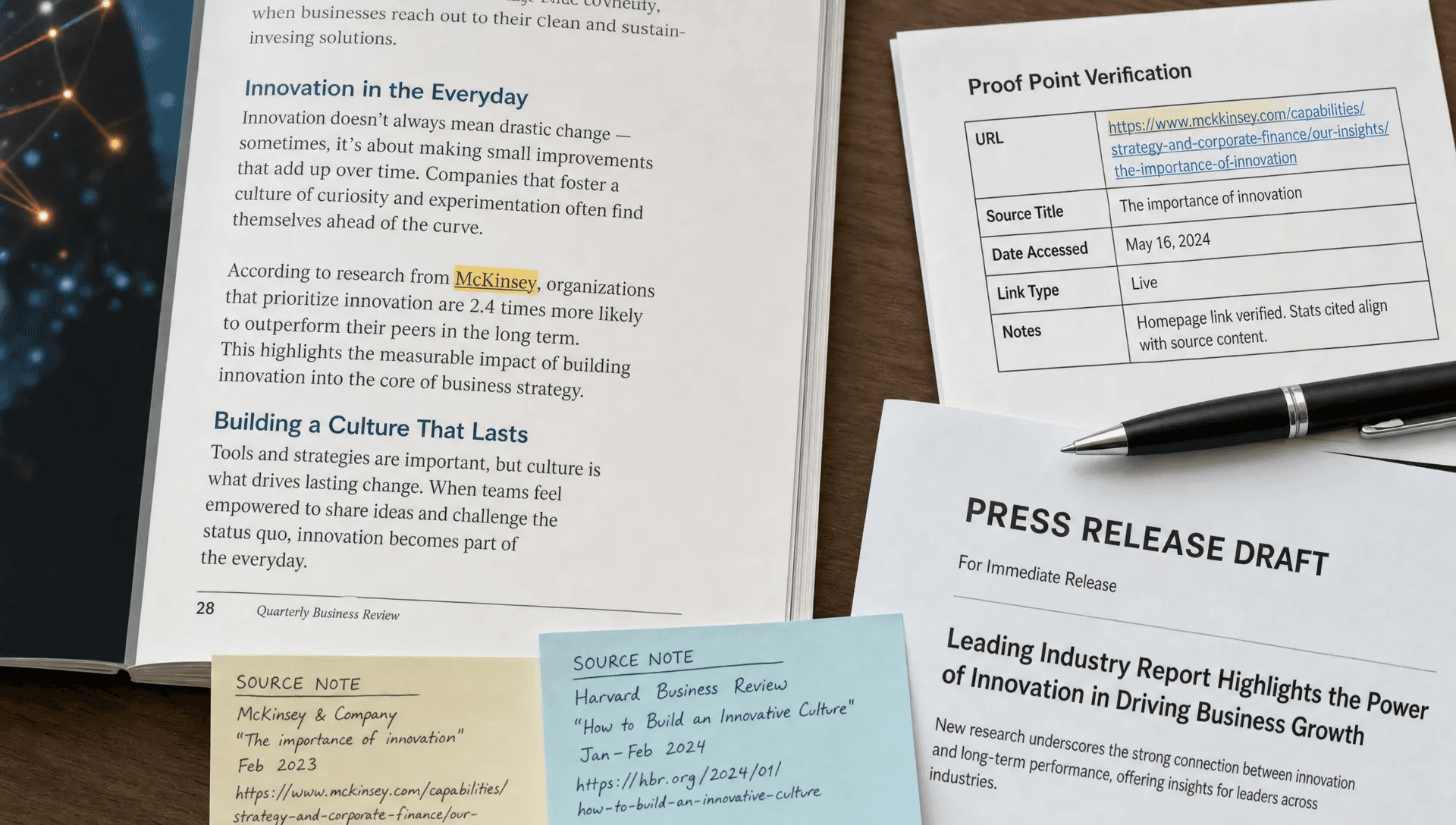
- Whether links are live, crawlable and pointing to the right destination.
- Referral traffic from coverage and how visitors behave after landing.
- Branded search changes after publication.
- New mentions in AI search responses or answer engines.
- Sales conversations, partnership inquiries or investor interest influenced by coverage.
SEO tools can help you track backlinks, but manual review still matters. Check whether your brand is described accurately, whether the link context is relevant and whether the linked page gives new visitors a clear next step.

Digital PR also creates value that may not show up immediately in rankings. A credible article can support sales enablement, investor relations, recruiting, partnerships and AI visibility. MediaBoost explains this broader search impact in its guide to how quality backlinks shape brand visibility in the AI era.
Digital PR campaign ideas that can earn backlinks
The best campaign idea depends on your industry, authority and available data. You do not need a massive research budget to start. You need a useful insight, a credible source and a clear reason for publishers to care.
| Business type | Digital PR idea | Likely link destination |
|---|---|---|
| SaaS company | Benchmark report on adoption, costs or workflow bottlenecks | Research report landing page |
| Ecommerce brand | Consumer trend analysis based on seasonal buying behavior | Data story or category insights page |
| Agency or consultancy | Annual industry predictions backed by client experience | Thought leadership report |
| Healthcare or medtech company | Educational resource that explains a complex patient access issue | Expert guide or resource hub |
| Local business | Regional ranking, cost comparison or community impact data | Local study landing page |
| B2B service provider | Survey of decision makers in a specific role or vertical | Survey results page |
Campaigns become stronger when they are repeatable. An annual report can build recognition over time. A quarterly index can train journalists to expect your data. A regularly updated resource can attract links long after the initial outreach ends.
Avoid tactics that weaken trust
Digital PR can earn excellent backlinks, but only if the campaign is built around real value. Trying to force SEO outcomes too aggressively can reduce trust with publishers and create risk for your website.
Avoid paying for links on low quality sites that exist only to sell placements. Avoid stuffing exact match anchors into press releases. Avoid pitching data without a clear methodology. Avoid sending journalists to thin landing pages that exist only to capture a backlink. Most of all, avoid treating every mention without a dofollow link as a failure.
Nofollow links, brand mentions and unlinked coverage can still help people discover your business. They can also lead to future coverage, direct traffic and branded search. If a journalist covers your company but does not link, you can politely ask whether they would consider adding a source link that helps readers. Keep the request helpful, not transactional.
A practical 30-day plan to earn backlinks through digital PR
If you are starting from scratch, keep the first campaign focused. One useful asset and one targeted outreach list can teach you more than a complicated campaign that never launches.
| Timeline | Action | Output |
|---|---|---|
| Days 1 to 5 | Choose a topic connected to your expertise and audience demand | Clear campaign theme |
| Days 6 to 10 | Build a linkable asset such as a data page, expert guide or benchmark | Publishable resource on your site |
| Days 11 to 15 | Create 3 to 5 story angles for different publication types | Pitch angles and subject lines |
| Days 16 to 20 | Build a focused media list based on recent relevant coverage | Prioritized outreach list |
| Days 21 to 25 | Send personalized pitches and offer expert commentary | Active journalist conversations |
| Days 26 to 30 | Follow up, monitor coverage and record links, mentions and traffic | Campaign report and next steps |
After the first campaign, review which angles earned replies. The strongest signal is not always immediate coverage. Sometimes journalist questions reveal the next story you should create.
Frequently Asked Questions
How many backlinks can digital PR earn? It depends on the strength of the story, the quality of the asset, the media list and timing. A focused campaign may earn a handful of highly relevant links, while a strong data story or major announcement can earn broader pickup. Quality and relevance matter more than raw volume.
Are press release backlinks good for SEO? Press release backlinks can support visibility, discovery and credibility, but they should not be used as a shortcut to manipulate rankings. The best SEO value usually comes when a press release supports real news and leads to editorial coverage, branded searches or citations from relevant publishers.
What pages should digital PR backlinks point to? In most cases, links should point to a useful resource such as a report, study, guide, tool, expert bio or announcement page. Sending every link to the homepage is less useful for readers and often less relevant for search engines.
Can small businesses use digital PR for backlinks? Yes. Small businesses can earn links with local data, founder expertise, community stories, niche research, customer insights or practical guides. A narrow, original angle often works better than trying to compete for broad national attention immediately.
How long does digital PR take to produce backlinks? Some announcements can generate links within days, especially when supported by distribution. Larger campaigns involving research, outreach and editorial coverage may take several weeks. The long term benefit comes from building a repeatable system, not relying on one campaign.
Turn your next announcement into backlink worthy coverage
Earning backlinks for your website through digital PR starts with a story worth publishing. When your campaign combines a useful asset, credible expertise, targeted outreach and strong distribution, backlinks become a natural outcome of visibility and trust.
If your brand has a launch, report, partnership, funding update or industry story ready to share, MediaBoost can help you distribute it across trusted publications with editorial review, live links and proof reporting. A stronger media footprint can support SEO, credibility and visibility in the places where customers now discover brands.