How to Improve Google Search Rankings With Digital PR
Digital PR can strengthen organic visibility when it earns credible coverage, relevant mentions and search demand. This guide shows how to turn newsworthy stories into SEO signals without relying on risky link schemes.

Get featured on 500+ media outlets
Guaranteed placement, no PR experience needed.
If you want to improve Google search ranking, digital PR gives you a more durable path than chasing algorithm hacks or buying questionable links. It helps your brand earn visibility on credible publications, build third-party proof and create signals that search engines can understand over time.
That does not mean every media mention will push a page to the top of Google by itself. Many press links are nofollow, syndicated pages can vary in quality and rankings still depend on your site’s content, technical health and relevance. Digital PR works best when it supports a broader SEO strategy rather than replacing it.
For founders, marketers and agencies, the real opportunity is to turn newsworthy stories into authority. A strong campaign can make your brand easier to discover, easier to trust and easier for both people and search systems to connect with a topic.
How Digital PR Helps Improve Google Search Ranking
Digital PR is the process of earning online coverage through stories, announcements, expert commentary, data, product launches, partnerships or useful industry insights. Traditional PR focuses heavily on awareness. SEO-focused digital PR adds another goal: creating credible public evidence that your brand belongs in a market conversation.
Google does not publish a simple checklist for authority. Still, strong organic performers tend to have clear topical relevance, trustworthy content, branded demand and links or mentions from reputable sources. Digital PR can support each of those areas when placements are relevant to your industry and connected to assets on your own website.
The key is intent. A campaign about a random viral stunt may create attention, but it rarely strengthens your authority for the searches that matter. A campaign tied to your expertise, customer problems and category language has a better chance of supporting organic growth.
Start With a Search-Led PR Angle
The strongest way to improve Google search ranking with PR is to start with search intent before writing the announcement. Ask what your ideal buyer is already researching, what objections slow them down and what proof would make your company more credible in that conversation.
For example, a cybersecurity company might turn incident response data into a trend report. A healthcare software company might release an analysis of appointment delays. A consumer brand might publish useful survey data around behavior in its category. These angles are not just promotional. They give journalists a reason to cover the story and give search engines more context about what the brand is known for.
A search-led PR angle usually connects three things: a real audience problem, a timely reason to care and a clear connection to your product or expertise. If one of those is missing, the campaign may earn attention without improving relevance.
Make the pitch specific enough to be quotable
If the goal is to improve Google search ranking, your story needs enough substance to be referenced beyond your own website. Specificity makes that possible. A technical B2B company offering sustainable cleaning and contamination-control solutions can build a much stronger pitch by connecting its expertise to food safety, water use or production efficiency than by sending a generic product update.
That principle applies in every industry. Journalists, editors and niche publishers need a clear reason to mention your brand. Give them a data point, a sharp point of view, a customer use case or a clear explanation of why your news matters now.
Create Assets Journalists and Search Algorithms Can Verify
To improve Google search ranking from a PR campaign, give both journalists and crawlers evidence they can evaluate. A press release can introduce the story, but it should usually point back to a stronger destination on your site, such as a research page, product page, case study, guide or newsroom post.
A good digital PR asset answers the questions a skeptical editor would ask. Who is behind the claim? What evidence supports it? Why should readers care? What makes the brand qualified to comment? When these answers are easy to find, coverage tends to be more useful and more aligned with search value.
| PR asset | Why journalists use it | SEO value it can support |
|---|---|---|
| Original data | Adds a fresh angle to a story | Earns citations and topical mentions |
| Expert commentary | Gives context or a point of view | Builds entity and author credibility |
| Case study | Shows proof in a real scenario | Supports trust and conversion pages |
| Newsroom page | Centralizes facts and media details | Helps Google understand the announcement |
| Industry guide | Educates a niche audience | Attracts relevant links over time |
The destination page matters because media coverage often creates discovery first, then deeper research. If a reader clicks through and finds thin content, the PR win loses commercial value. If the page is useful, internally linked and aligned with the topic of the coverage, it can keep working long after the announcement.

Turn Coverage Into Signals That Support Rankings
A media placement is not a magic ranking switch. Its value comes from the signals it can create around your brand. Some are link-based, while others are indirect but still useful for organic growth.
Relevant backlinks are the most obvious signal, especially when they come from trusted publications and point to a page that deserves attention. But brand mentions without followed links can still help people discover you, search for you and associate your company with a category. This is why digital PR should be measured beyond raw domain authority or link count.
Strong campaigns can also increase branded search. When people see your company in credible outlets, they may search your name, compare you with competitors or look up your product category later. That behavior supports the broader search ecosystem around your brand, especially when your site has clear pages that answer those follow-up queries.
For a deeper tactical view, MediaBoost’s guide to earning backlinks through digital PR explains how to create stories and assets that publications are more likely to cite naturally.
A Practical Digital PR Workflow for SEO Results
A repeatable process makes it easier to improve Google search ranking without drifting into low-quality link building. The workflow should begin with SEO research, move into story development and end with measurement that connects PR outputs to search outcomes.
Choose the keyword cluster before the announcement
Pick a cluster of topics your brand wants to be known for, not just one isolated keyword. A fintech company may focus on payment security, chargeback prevention and fraud detection. A beauty brand may focus on ingredient safety, scalp health and product transparency.
This does not mean stuffing keywords into a press release. It means shaping the campaign around language your audience and industry already use. The release, landing page and pitch should all reinforce the same topical area.
Build the owned page before outreach
Your owned page gives journalists a stable source to cite and gives visitors somewhere useful to land. It can be a newsroom announcement, report page, product explainer or educational article. What matters is that it is indexable, clear and connected to the rest of your site.
If your campaign includes a release, structure it carefully. MediaBoost has a separate guide on how to write a press release that ranks on Google, including how to handle headlines, supporting copy and technical details without turning the release into keyword soup.
Distribute to relevant outlets, not just many outlets
Reach matters, but relevance matters more. A placement on a trusted niche publication can be more useful than a broad mention on a site your buyers never read. The best distribution plans combine credible general outlets with industry-specific publications that strengthen topical authority.
This is where done-for-you distribution can save time, especially for teams that do not have an in-house PR operation. The important part is to maintain editorial standards, keep claims accurate and make sure the campaign’s topic fits the outlets being targeted.
Measure proof, not vanity
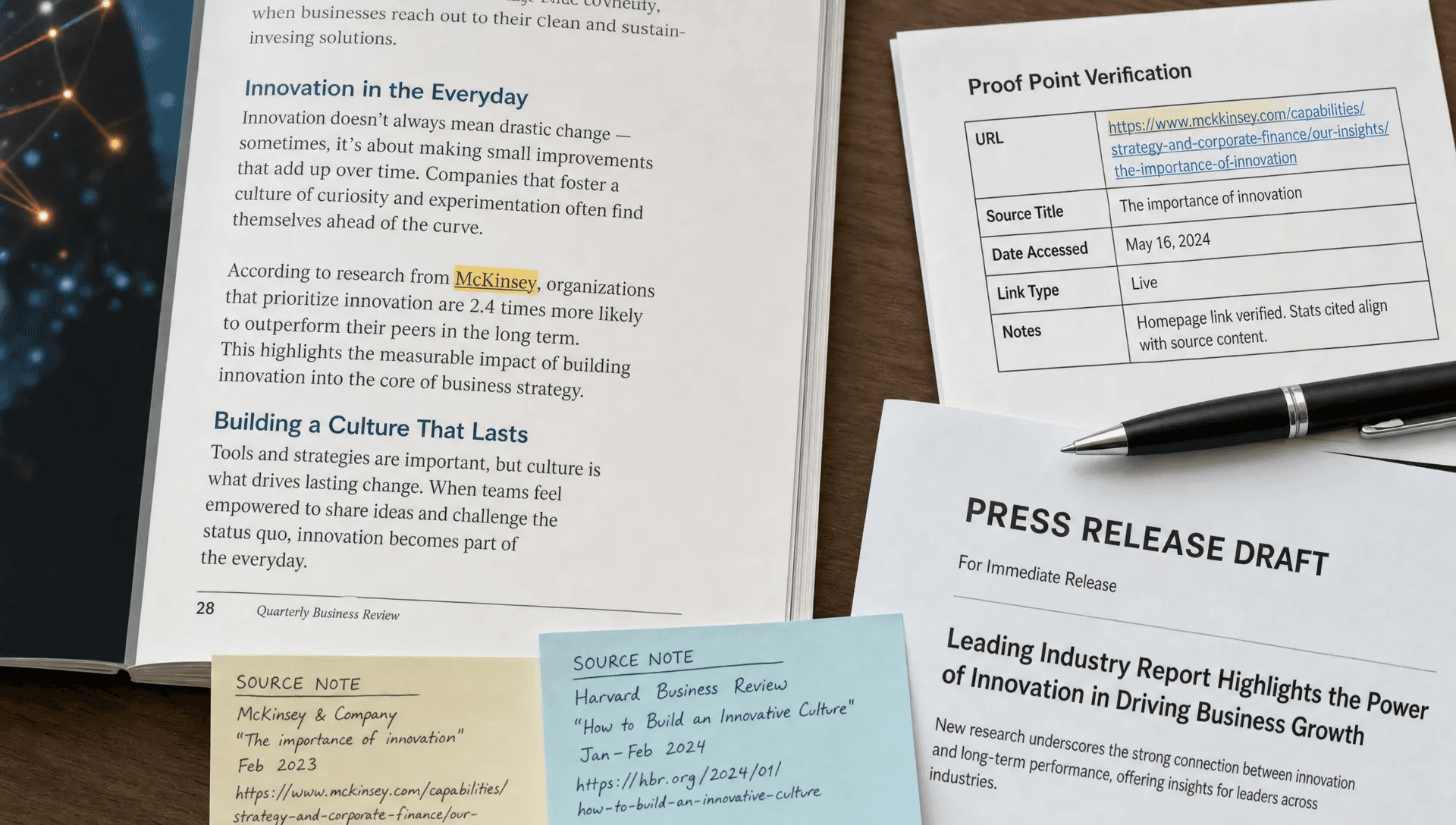
A proof report should show live URLs, publication names and the status of placements. From there, connect PR performance to SEO metrics such as referral traffic, indexed coverage, branded search changes, backlink quality and ranking movement for related pages.
Do not judge the campaign only on day-one traffic. Digital PR often compounds through secondary pickup, future citations and improved trust during buyer research.
What to Avoid When Using PR for SEO
Trying to improve Google search ranking with PR can backfire when the campaign starts to look like a link scheme. Google’s spam policies are clear that buying or manipulating links for ranking purposes can create risk. Digital PR should be built around newsworthiness and relevance, not artificial anchor text.
Avoid exact-match anchor demands. Editors should link naturally, if they link at all. Also avoid publishing the same thin release across low-quality sites with no audience or editorial context. Syndication can help discovery, but it should not be the only strategy.
Relevance is the easiest quality filter. If your company sells manufacturing software, placements on manufacturing, operations, supply chain or business publications make sense. Random lifestyle blogs with unrelated links do not create the same trust and may dilute the campaign’s value.
Also be careful with unsupported claims. Saying your product is the best, fastest or most trusted without proof weakens credibility. Use verifiable facts, customer outcomes you are allowed to share, founder expertise or original data instead.
How to Measure Digital PR Impact on Organic Search
Digital PR measurement should combine media metrics and SEO metrics. Media metrics show whether the story traveled. SEO metrics show whether that visibility strengthened your search footprint.
Useful indicators include the number of indexed placements, the relevance of publications, referral traffic quality, branded search volume, new referring domains and performance changes on the pages connected to the campaign. You should also review whether your brand appears more consistently for category terms, comparison searches and AI-generated summaries.
Attribution will not always be perfect. A buyer may read a media article, search your brand two weeks later and convert after visiting several pages. That does not make PR unmeasurable. It means you need a longer view than last-click analytics.
A good benchmark is whether each campaign leaves behind durable assets: live coverage, a stronger owned page, new third-party proof and clearer associations between your brand and the problems you solve.
Frequently Asked Questions
Can digital PR improve Google search ranking by itself? Not usually. Digital PR works best with strong on-site content, technical SEO and a clear keyword strategy. It can support rankings by earning relevant mentions, backlinks, branded demand and third-party credibility.
Are press release backlinks still valuable for SEO? They can be useful, but they should not be treated as a shortcut. Many press release links may be nofollow or syndicated. The bigger value often comes from visibility, indexed coverage, journalist pickup and stronger brand signals.
How long does digital PR take to affect rankings? Some results, such as indexed placements and referral traffic, can appear quickly. Ranking impact usually takes longer because Google needs to crawl pages, evaluate signals and compare your content against competitors.
What makes a digital PR campaign SEO-friendly? A campaign is SEO-friendly when it has a relevant story, a useful owned destination page, credible distribution, natural links or mentions and measurement that connects coverage to organic visibility.
Build Search Authority With Better PR
Digital PR is not about forcing rankings. It is about making your brand visible in the places buyers, journalists and search systems already trust. When your story is relevant, your assets are useful and your placements are credible, PR becomes a practical engine for organic growth.
MediaBoost helps brands get featured across 500+ trusted publications with done-for-you submissions, editorial review, live link proof reports and industry-specific packages. If you want a faster way to build credibility and strengthen your search presence, explore MediaBoost.