What Google Backlinks Reveal About Your Brand Authority
Your backlink profile is more than an SEO report. Learn how the sources, context and quality of links pointing to your brand reveal credibility, topical authority, PR momentum and hidden risks before they affect visibility.
Get featured on 500+ media outlets
Guaranteed placement, no PR experience needed.
When marketers talk about google backlinks, they usually mean the links Google can discover, crawl and use as part of its broader understanding of a website. Those links are not just technical SEO assets. Read correctly, they reveal how the market sees your brand, which third parties consider you worth citing and whether your authority is growing in the right places.
A backlink profile is a public trail of credibility. It shows the publications, directories, partners, journalists, customers and niche websites that have decided your brand deserves a reference. That is why backlink analysis belongs in brand strategy, not only in an SEO dashboard.
What google backlinks reveal about brand authority
Brand authority is not the same as awareness. Awareness means people have heard of you. Authority means they trust you enough to mention you, recommend you or use your perspective as supporting evidence.
Google backlinks become useful because they show where that trust is coming from. A mention from a respected industry publication sends a different signal than a random link from an unrelated directory. A link in a thoughtful article carries different weight than a footer link repeated across hundreds of pages.
For brand teams, the question is not simply how many referring domains point to the site. The better question is what those links say about your position in the market. Are you being cited by credible sources in your niche? Are journalists using your company as an example? Are local, national or industry-specific publications validating your expertise?
The strongest backlink profiles usually reflect real-world reputation. They include relevant press coverage, partner references, expert citations, customer stories, association listings and content that people choose to reference because it helps their own audience.
The authority signals hidden inside a backlink profile
A healthy set of google backlinks gives you several layers of information. Some signals are obvious, such as the number of websites linking to you. Others require a closer read, especially when you are trying to separate genuine authority from inflated metrics.
| Backlink signal | What it can reveal about your brand | What to check next |
|---|---|---|
| Source relevance | Whether your brand is visible in the right industry conversations | Topic fit, audience fit and page context |
| Editorial context | Whether the link was earned inside useful content | Placement, surrounding copy and intent |
| Anchor text | How other websites describe your brand | Natural language, branded terms and over-optimization |
| Publication quality | Whether trusted sources are willing to mention you | Editorial standards and site reputation |
| Link growth pattern | Whether authority is building naturally over time | Spikes, gaps and campaign history |
| Page destination | Which parts of your site attract trust | Homepage, service pages, reports or thought leadership |
This is why a single strong placement can reveal more than dozens of weak links. If a respected publication links to a research asset, founder commentary or service page, it suggests your brand has given the web something worth citing.
Quality matters more than a bigger backlink count
Google's own spam policies make one point clear: links created mainly to manipulate search rankings can cause problems. That does not mean links are irrelevant. It means the source, intent and context matter.
Good google backlinks tend to come from pages where your brand genuinely belongs. A cybersecurity company being cited in a security trends article makes sense. A B2B SaaS platform mentioned in a procurement software guide makes sense. A local health brand being referenced by community wellness resources also makes sense, especially when the context supports real user value, such as a specialist nutrition service like Tracey Warren Nutrition.
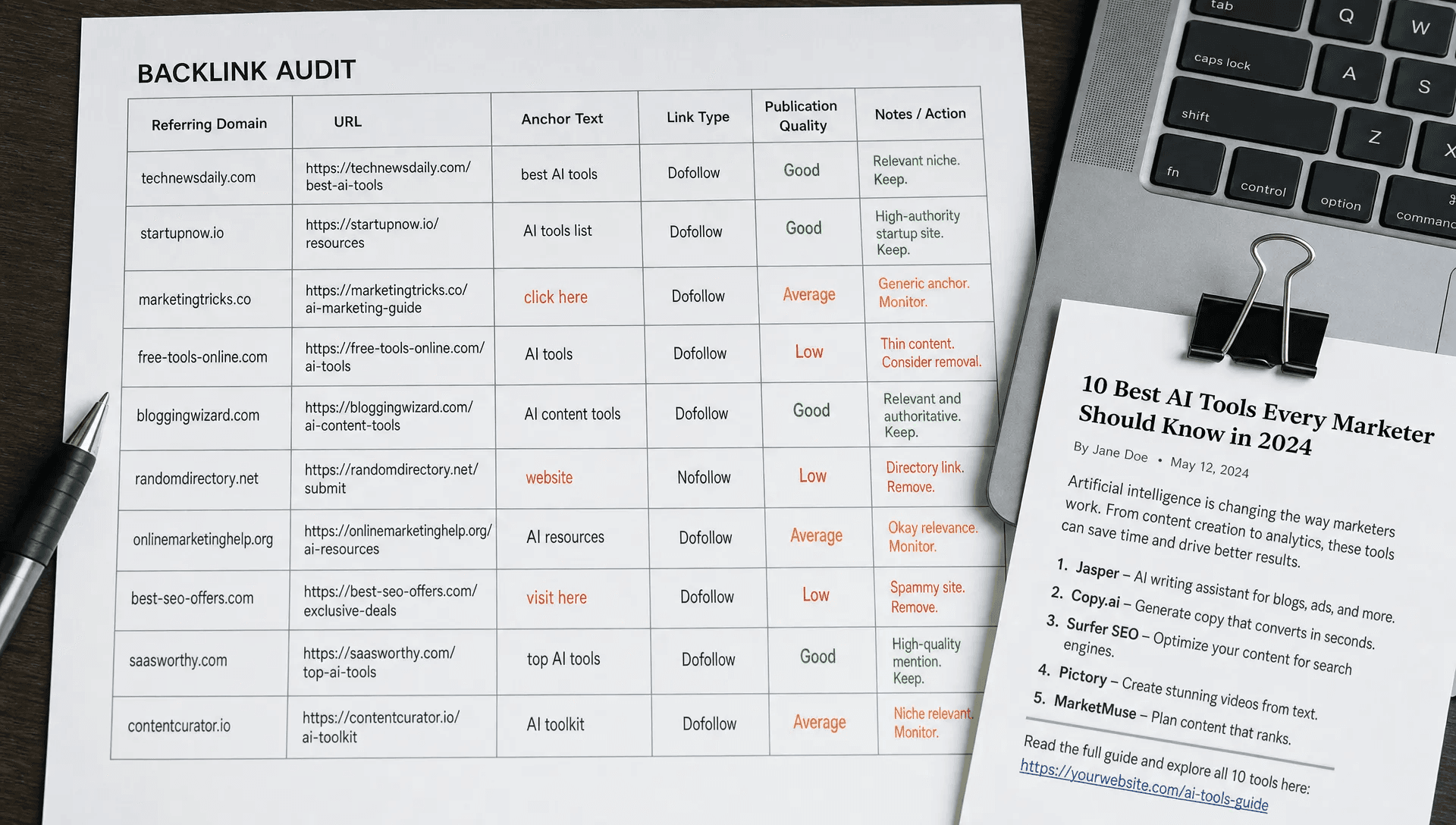
Poor links usually feel disconnected. They may appear on sites with no topical focus, pages packed with unrelated outbound links or articles written only to host anchors. Those links can make a brand look less trustworthy rather than more established.
The practical takeaway is simple. Authority is built through relevance first, volume second. A backlink profile that matches your category, geography, audience and expertise will usually tell a stronger brand story than one built around raw numbers.
How google backlinks expose authority gaps
Backlinks do not only show what is working. They also reveal what is missing.
If competitors receive links from industry media, conference pages, analyst roundups and niche newsletters while your brand is mostly linked from low-context directories, that gap says something. It may mean your PR engine is underdeveloped. It may mean your thought leadership is not being packaged in a linkable way. It may mean your category positioning is not clear enough for third parties to reference.
Look for patterns across three areas. First, compare the types of sites linking to you and to your closest competitors. Second, review which content earns links naturally. Third, study the language used around each mention.
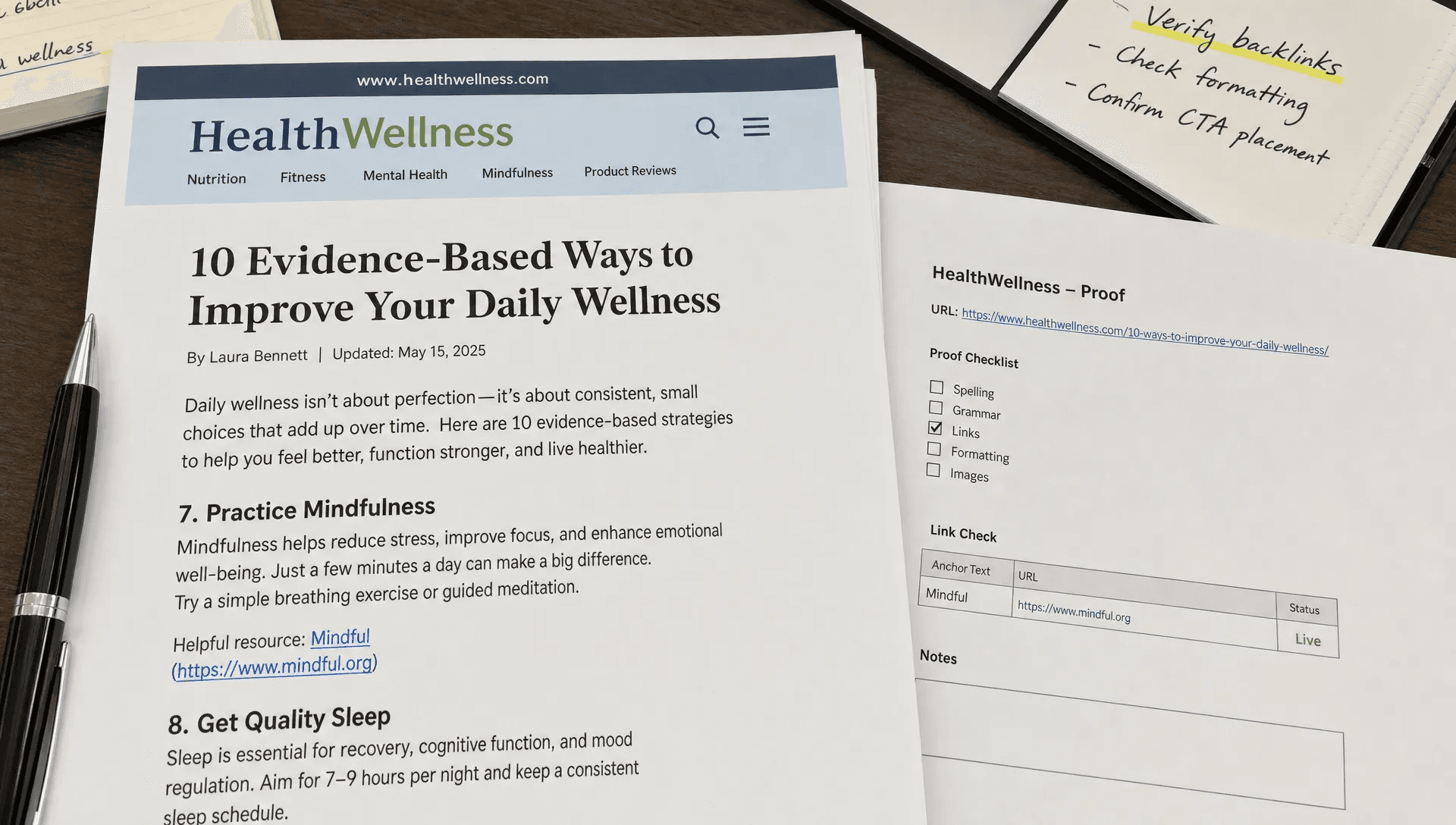
For a more technical audit process, MediaBoost's guide on how to analyze backlinks for quality, relevance and risk walks through the checks that help separate meaningful signals from noise.
The goal is not to copy every competitor link. It is to understand where the market already grants authority and where your brand needs better proof.
Backlinks, AI search and the trust layer around your brand
Search is no longer limited to blue links and ranking positions. AI-powered search experiences, answer engines and large language models increasingly rely on recognizable entities, trusted references and repeated third-party validation when summarizing brands.
That makes google backlinks part of a broader visibility system. When your company is mentioned across credible publications, category-relevant articles and trusted media properties, you create more public evidence that your brand exists, operates in a specific field and is associated with certain expertise.
This does not mean every backlink will influence an AI answer directly. It means the surrounding web graph matters. Links, citations, brand mentions and editorial context all help form the evidence layer that search systems can interpret.
MediaBoost has covered this shift in more depth in its article on how quality backlinks shape brand visibility in the AI era. The main point for brand leaders is that backlink strategy now supports both classic SEO and the way machines understand reputation.
If your brand wants to be visible in AI-generated recommendations, it needs more than owned website copy. It needs credible third-party signals that confirm who you are and why you matter.
How to read google backlinks without overreacting to metrics
Treat google backlinks as evidence, not a scoreboard. Domain metrics can help with comparison, but they should not drive decisions on their own. A high-authority website can still publish low-value pages, and a smaller niche site can still send a highly relevant trust signal.
A balanced review should answer five questions:
- Does the linking page make sense for your audience?
- Is the link placed in useful editorial context?
- Does the anchor text sound natural?
- Is the website a real publication, business or community resource?
- Does the link support the brand story you want the market to understand?
The last question is often ignored. Backlinks are not only about search equity. They also shape perception. If your best links come from reputable business publications, industry blogs and credible local media, your brand appears established. If most links come from generic placements with thin context, your authority signal is weaker.
This is also where PR and SEO should work together. A strong placement can provide brand visibility, referral credibility, search relevance and sales enablement proof at the same time. MediaBoost's perspective on link building that supports PR, SEO and brand trust explains why those goals should not be separated.
What to do when your backlink profile looks weak
A weak backlink profile does not always mean your brand is weak. It may mean your credibility has not been translated into public proof yet. Many companies have strong customers, expert founders, useful data or compelling case studies, but those assets are not visible across the web.
Start by identifying what your brand can credibly be known for. That might be original data, specialist knowledge, customer outcomes, local expertise, founder insight or industry commentary. Then turn those proof points into assets that journalists, editors and niche publishers can cite.
Common link-worthy assets include research summaries, expert explainers, trend commentary, customer stories, practical guides and newsworthy company announcements. Press release distribution can also help when the announcement is real, relevant and written for readers rather than only for search engines.
The safest path is to earn and place links where the editorial context supports your brand. Avoid shortcuts that rely on irrelevant sites, exact-match anchor repetition or hidden placement networks. Those tactics may create a temporary metric lift, but they rarely create durable authority.
Measuring whether authority is improving
You can measure brand authority through backlink changes, but the right measurements are qualitative as well as quantitative. Track referring domains and link growth, then add a human review of relevance, context and source credibility.
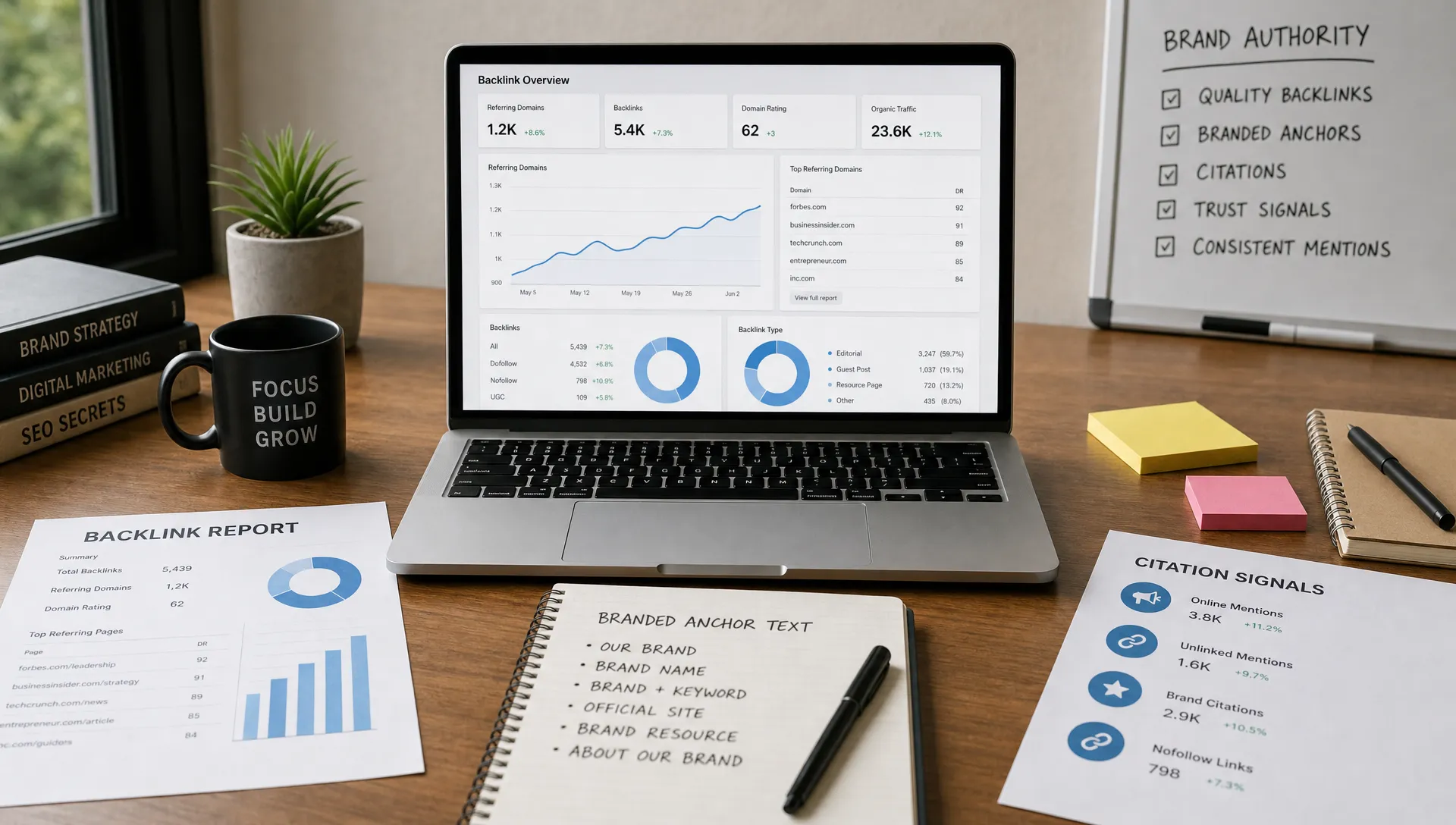
Useful indicators include more links from industry-relevant sites, more branded anchors, more mentions in editorial content and more links to authoritative pages beyond the homepage. If people begin linking to your reports, product pages, leadership commentary or educational content, your brand is becoming more useful to the web.
You should also watch for risk signals. Sudden waves of unrelated links, repeated commercial anchor text or placements on sites with no audience can dilute the story your profile tells. The cleanup may be as much about future discipline as past removal.
For most brands, the strongest improvement comes from aligning SEO, PR and content. Publish something worth citing, distribute it to relevant media and make sure every placement supports a clear brand narrative.
Frequently Asked Questions
Do google backlinks still matter for SEO? Yes, links still matter, but they are only one part of search visibility. Their value depends heavily on relevance, quality, editorial context and whether they reflect genuine trust rather than manipulation.
What makes a backlink a sign of brand authority? A backlink signals authority when it comes from a credible, relevant source and appears in content where your brand naturally adds value. The surrounding context matters as much as the link itself.
Can low-quality backlinks hurt brand perception? They can. Even when they do not trigger a direct search penalty, irrelevant or spammy links can make a backlink profile look artificial and weaken confidence in your brand's digital footprint.
How often should a brand review its backlink profile? A quarterly review is enough for many brands, but companies running PR, SEO or media placement campaigns should monitor links more frequently to confirm quality, relevance and live placement status.
Turn brand authority into visible proof
Your backlink profile should not be a mystery file that only the SEO team opens once a quarter. It is a record of who trusts your brand, where your authority is visible and how convincingly the market can verify your credibility.
MediaBoost helps brands turn news, expertise and company proof into trusted media placements across 500+ outlets. With done-for-you submissions, guaranteed live backlinks, editorial review and SEO proof reports, brands can build visibility while keeping the focus on credible placement quality.
If your current backlink profile does not reflect the authority your company has earned, strengthen the public proof around your brand with placements that search engines, customers and AI-powered discovery systems can recognize.