Why Cheap Backlinks Can Cost More Than They Save
Cheap links can look like a shortcut until cleanup, lost trust and weak placements eat the savings. Learn how to spot risky offers, compare link quality and build visibility without gambling with your search presence.
Get featured on 500+ media outlets
Guaranteed placement, no PR experience needed.
Marketing teams feel pressure to prove traction quickly, especially when competitors seem to rank with thousands of referring domains. That is why offers to buy cheap backlinks can look tempting at first glance. The problem is that the sticker price rarely includes the full cost. Low-quality links can drain budget through cleanup work, suppressed rankings, wasted content investment and brand risk that is much harder to reverse than it is to avoid.
Being careful with money is not the problem. In fact, the smartest SEO teams are usually disciplined about spend. A useful parallel comes from preventive health thinking: prevention often costs less than fixing a problem after it grows. Link building works the same way. Saving a few dollars per placement is not a win if those placements create a larger liability later.
Google's spam policies have long treated links intended to manipulate rankings as link spam when they pass ranking credit. That does not mean every paid media opportunity is bad. It means context, transparency, editorial standards and relevance matter more than volume.
Before You Buy Cheap Backlinks, Understand the Real Cost
Cheap backlinks are usually sold on simple metrics: domain authority, traffic estimates, number of links or a bulk discount. Those numbers are easy to package, but they can hide the factors search engines and real buyers actually care about.
A backlink has value when it helps establish that a credible source found your brand, content or announcement worth referencing. If the link sits on a thin article, unrelated website or obvious link farm, it may add noise rather than authority. At best, it does nothing. At worst, it becomes a signal that your site is participating in manipulative link activity.
The real cost shows up later. You may pay for audits, disavow file reviews, content rewrites, agency cleanup and months of lost momentum. If revenue depends on organic search, a cheap link package can become expensive very quickly.
What Makes a Backlink Cheap in the Wrong Way?
There is a difference between cost-effective and risky. A legitimate placement may be affordable because the provider has an efficient process, a focused distribution network or a clear editorial workflow. A risky placement is cheap because quality control is missing.
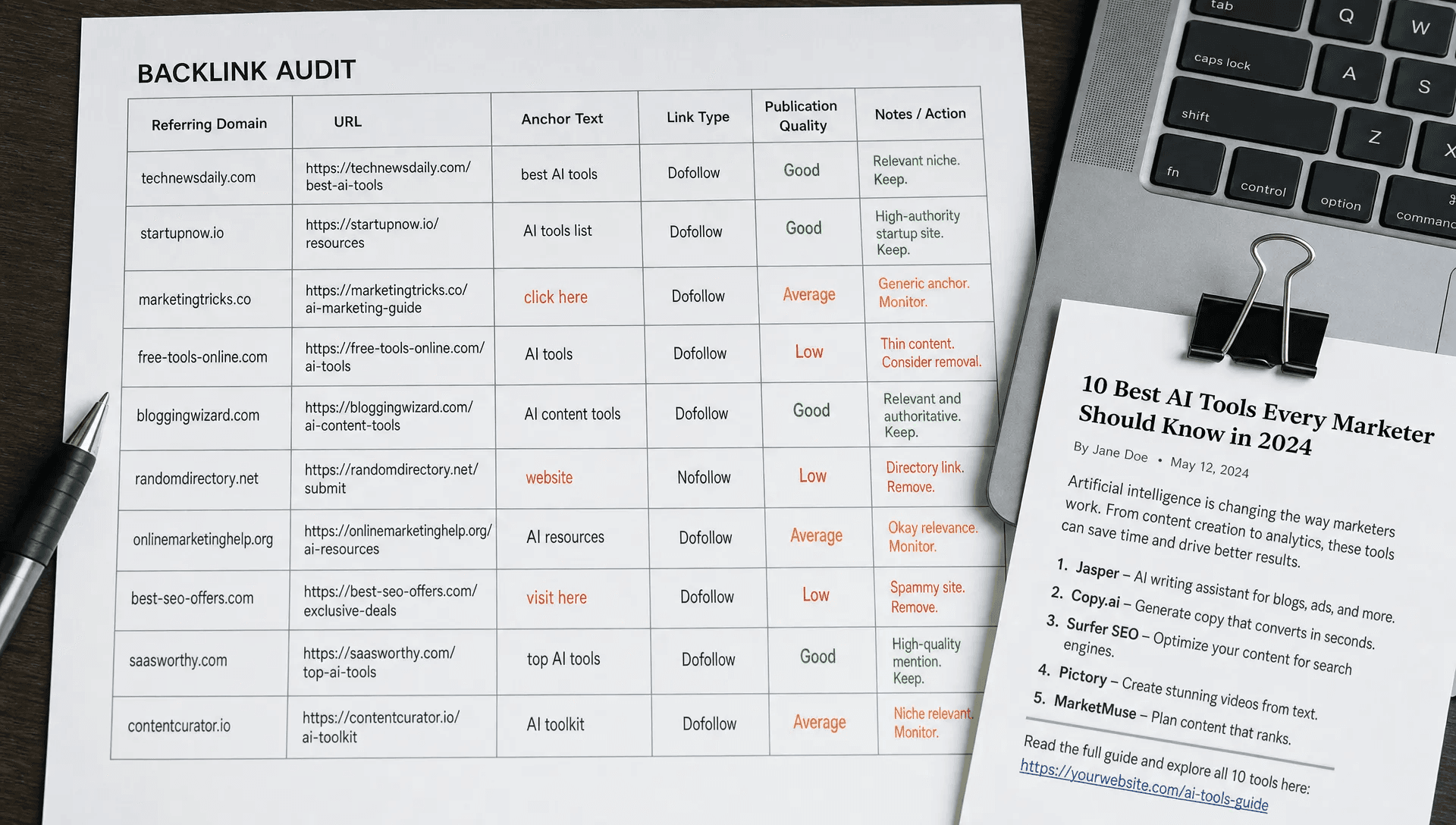
When you buy cheap backlinks through bulk sellers, the same patterns tend to appear: recycled content, irrelevant anchor text, websites built mainly to sell links and no meaningful editorial review. These signals are not subtle, and they are exactly the kind of patterns modern search systems are built to detect.
| Risk signal | Why it matters | Safer standard |
|---|---|---|
| Irrelevant website topic | Search engines evaluate context, not just link count | Industry or audience alignment |
| Exact-match anchor repeated often | Looks engineered rather than earned | Natural brand, URL and contextual anchors |
| Thin article around the link | Provides little value to readers | Useful content with a clear reason to mention the brand |
| No editorial review | Increases risk of spammy placement | Human review before publication |
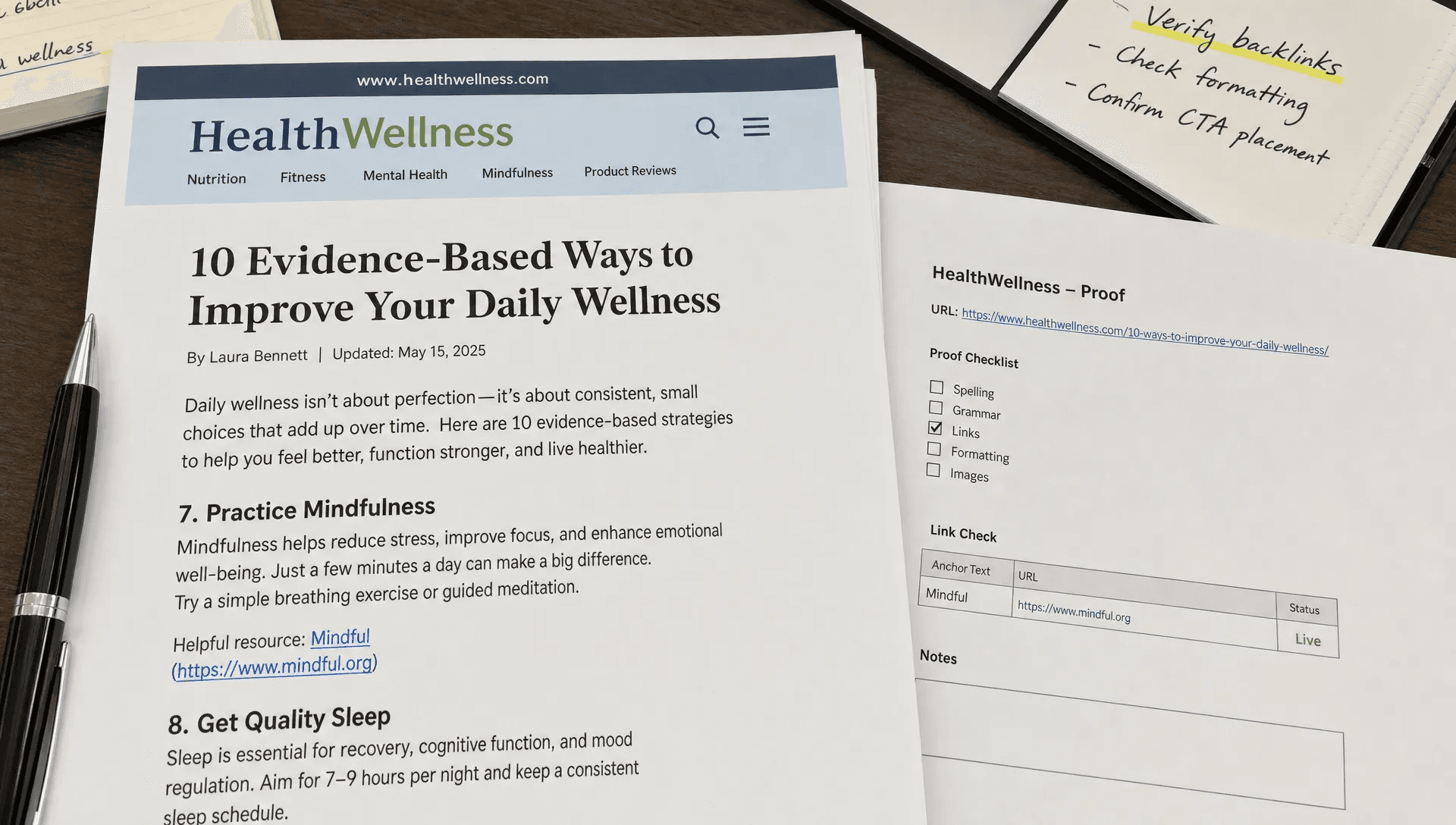
| No proof report | Makes quality hard to verify | Live links, publication details and transparent reporting |
Cheap becomes dangerous when the provider cannot explain where the link will appear, why that publication is relevant or how the content will serve readers.
The Hidden Costs That Cheap Backlinks Create
The first hidden cost is diagnosis. If rankings drop after a questionable campaign, you have to separate link issues from technical SEO, content quality, algorithm changes and competitor activity. That analysis takes time and usually requires experienced help.
The second cost is cleanup. Link removal outreach is slow, uncertain and often unrewarding. A disavow file may be useful in specific cases, especially when a site has a clear history of manipulative links, but it is not a magic reset button. You still lose the time spent chasing a shortcut.
The biggest problem with the decision to buy cheap backlinks is opportunity cost. Every dollar spent on low-value links is a dollar not spent on digital PR, original research, strong content assets, customer stories, expert commentary or media coverage that can compound over time.
There is also a brand cost. If a prospective customer, journalist, investor or partner finds your company mentioned on spam-heavy websites, that association can weaken trust. SEO is not just a rankings channel. It is a public footprint.
Cheap Links Can Distort Your SEO Strategy
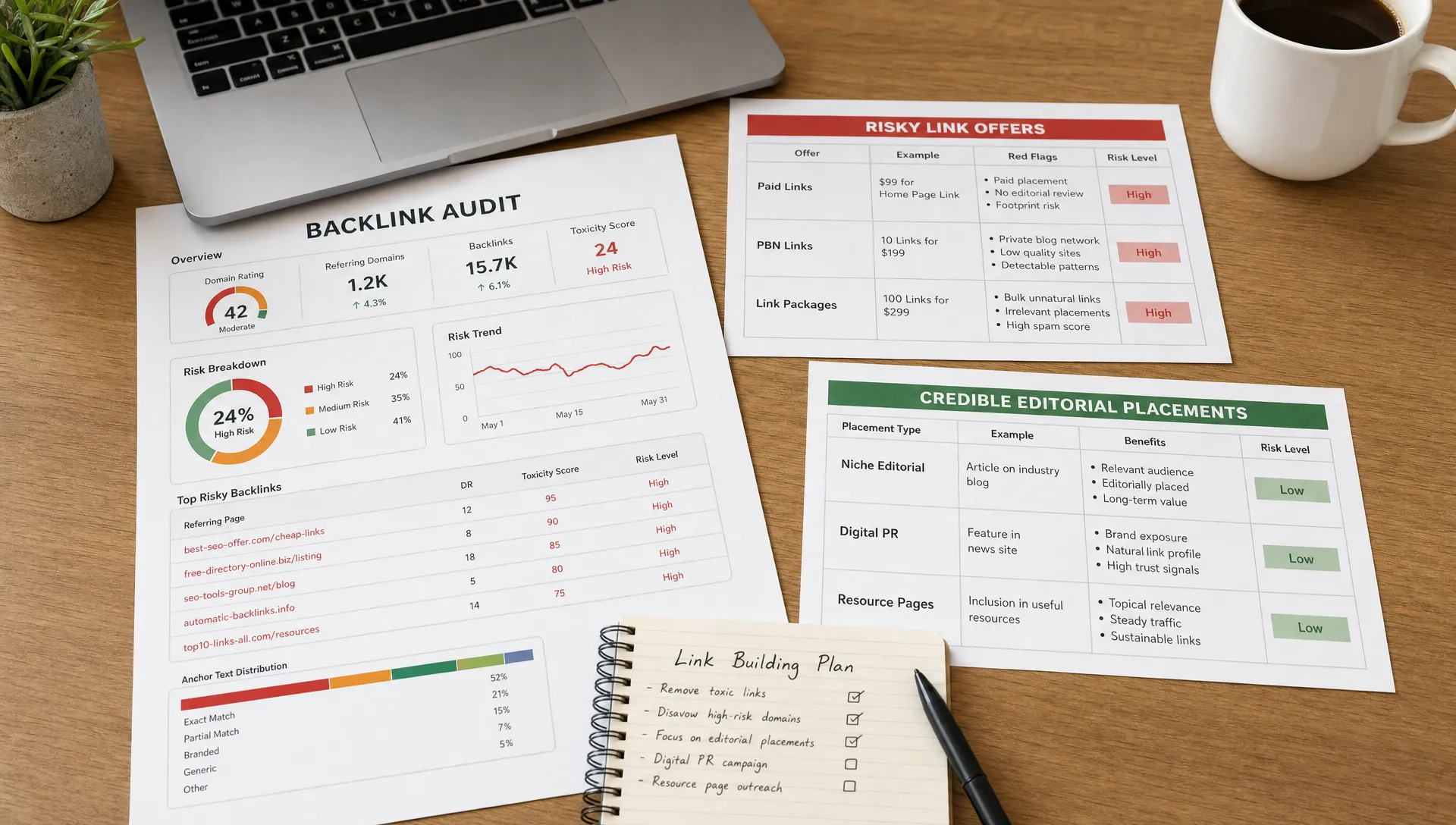
Bad links do not only create risk. They can also make reporting misleading. A campaign may show a jump in referring domains, but if those domains are irrelevant or low quality, the metric gives your team false confidence.
This is where teams start making worse decisions. They invest in more of the same because the spreadsheet looks bigger, even though qualified traffic, branded searches, conversions and revenue do not improve. A backlink profile should support business outcomes, not vanity metrics.
If you are evaluating whether paid link acquisition fits your strategy, it helps to start with the bigger question of rules and risk. MediaBoost's guide on whether you should buy backlinks breaks down the safer alternatives and the warning signs that deserve closer scrutiny.
How Search Engines and AI Systems Read Link Quality
Search engines do not evaluate a backlink in isolation. They look at patterns across the web: topical relevance, anchor text distribution, the quality of surrounding content, the history of the linking domain and how naturally the link fits the page.
AI-powered search and answer engines add another layer. They often rely on trusted sources, recognizable entities and consistent brand signals when deciding what to cite, summarize or surface. A placement on a credible publication can help reinforce legitimacy. A footprint across disposable sites does very little for that kind of visibility.
Before you buy cheap backlinks for a new campaign, ask whether the link would still be valuable if rankings were not part of the equation. Would a real customer trust the publication? Would the mention make sense to a journalist? Would the content help someone understand your company, product or announcement? If the answer is no, the SEO value is probably weak too.
A Better Way to Spend a Lean Link Budget
A limited budget should push your team toward sharper prioritization, not lower standards. The goal is to earn or place links where they make sense for your audience and brand category.
For most companies, safer link investments fall into a few categories:
- Digital PR tied to real announcements, data or expertise
- Industry-specific media placements with editorial review
- Linkable assets such as original research, calculators, guides or benchmarks
- Thought leadership contributions that match the publication's audience
- Press release distribution that creates verifiable brand visibility and reporting
This approach will not produce the same inflated link count as a bulk package. It is more likely to create assets, mentions and backlinks that help buyers and search systems understand why your brand deserves attention.
If you need a process for evaluating opportunities, use a quality framework instead of chasing raw domain metrics. MediaBoost's article on SEO backlink building offers a practical way to assess relevance, editorial value and long-term fit.
How to Vet a Backlink Offer Before You Pay
If you still feel pressure to buy cheap backlinks, pause long enough to ask direct questions. A reputable provider should not hide behind vague promises or screenshots of metrics.
Start with placement transparency. You may not always know every publication in advance, especially in PR distribution, but you should understand the standards, categories and reporting process. Ask how sites are selected, whether content is reviewed by humans and what proof you will receive after publication.
Next, check anchor text practices. If a provider pushes exact-match commercial anchors across many sites, that is a warning sign. A natural profile usually includes branded anchors, naked URLs, product names and context-driven phrases.
Finally, ask what the link is supposed to accomplish. Is it for referral visibility, brand credibility, press coverage, entity building, SEO support or all of the above? Clear goals lead to better buying decisions.
Where MediaBoost Fits Into a Safer Visibility Strategy
For brands that want visibility without relying on anonymous link packages, MediaBoost focuses on press release distribution and media placement across 500+ publications. The service includes done-for-you submissions, editorial review, live links and proof reports, with packages tailored by industry and completion often available within 48 hours.
That matters because modern visibility is not only about adding links to a spreadsheet. It is about creating a credible public presence that can support search, social proof and AI discovery. A newsworthy announcement, funding update, product launch, partnership or expert statement can become more valuable when it appears in contexts people actually trust.
No distribution service should be treated as a substitute for a strong website, useful content or real expertise. Used correctly, media placements can support those assets by giving your brand more credible signals across the web.
FAQ
Is it ever safe to buy cheap backlinks? It depends on what “cheap” means. Affordable placements with relevance, editorial review and transparent reporting can be reasonable. Bulk links from irrelevant sites, link networks or automated sellers are risky and often deliver little long-term value.
Can cheap backlinks cause a Google penalty? They can contribute to manual actions or algorithmic distrust if they are part of a manipulative pattern. The risk increases when links use repeated exact-match anchors, come from unrelated websites or exist mainly to pass ranking signals.
How many backlinks does my site need to rank? There is no universal number. A smaller number of relevant, credible backlinks can outperform a large set of weak links. Competition, content quality, technical SEO, search intent and brand authority all influence results.
What should I do if I already bought low-quality links? Start with a backlink audit. Identify irrelevant, spammy or suspicious domains, document patterns and decide whether removal outreach or a disavow file is appropriate. If the situation is complex, work with an experienced SEO professional.
What is a better alternative than trying to buy cheap backlinks? Invest in assets and placements that earn trust: digital PR, industry media coverage, original research, expert commentary, customer stories and credible press release distribution. These approaches build visibility that can support both search engines and human decision-makers.
Build Visibility That Does Not Need Cleanup Later
Shortcuts are attractive because they promise speed. The trouble is that low-quality links often create a second project: undoing the damage. A smarter strategy focuses on credibility first, then measures how that credibility supports rankings, referrals, brand search and AI visibility.
If you want press release distribution and media placements built around trusted publications, editorial review and proof reports, explore MediaBoost. It is a cleaner way to grow your public footprint without betting your brand on disposable backlinks.