Should You Buy Backlinks? Risks, Rules, and Better Options
Buying backlinks can be tempting, but the wrong link can damage trust and rankings. This guide explains what Google allows, which risks matter and how to build visibility through safer PR and editorial strategies.

Get featured on 500+ media outlets
Guaranteed placement, no PR experience needed.
Buying backlinks promises a shortcut: pay money, get links, rank faster. That pitch is attractive, especially when competitors seem to have thousands of referring domains and your best content is still waiting to earn attention.
If you searched for whether to buy back links, you are probably not looking for a moral lecture. You want to know what is safe, what can hurt your site and what to do instead. The short answer is this: paying for marketing support is normal, but paying for followed links meant to manipulate rankings is risky.
The distinction matters. You can pay an agency for digital PR, content promotion, editorial research, journalist outreach or press release distribution. You can also pay for advertising or sponsorships when links are properly qualified. Problems start when the thing being sold is ranking credit itself, especially at scale, with exact-match anchors and no editorial reason for the link to exist.
The practical answer: buy the service, not the ranking signal
A backlink is valuable when it reflects genuine relevance, trust and context. A link from a real publication in your industry, inside a useful article, can help people discover your brand and may support SEO over time. A link from a private blog network, a recycled guest post farm or a random site with inflated metrics is different. It may look good in a report, but it often adds risk without adding audience value.
This is why the better question is not simply should you buy backlinks? A better question is: what exactly are you paying for?
| What you pay for | What it usually means | SEO risk | When it can make sense |
|---|---|---|---|
| Digital PR and outreach | Strategy, pitching, story development and publisher communication | Low to moderate | When coverage is earned through relevance and editorial fit |
| Press release distribution | Publishing a news announcement across media outlets | Low to moderate | When the announcement is legitimate, timely and not stuffed with keyword anchors |
| Sponsored content | Paid editorial or advertorial placement | Low if properly disclosed and qualified | When the goal is brand exposure, referral traffic or audience access |
| Paid guest post placement | A vendor sells access to sites for links | Moderate to high | Only if editorial standards, relevance and link attributes are transparent |
| Niche edits and link insertions | A vendor inserts your link into existing pages | High | Rarely worth it unless it is fully editorial, relevant and transparent |
| PBN or bulk links | Links from sites created mainly to pass authority | Very high | Avoid |
A safer approach starts with principles, not packages. MediaBoost has a deeper guide to SEO backlink building with a safe framework if you want to compare link opportunities against relevance, editorial value and measurable quality.
The rules: what Google actually cares about
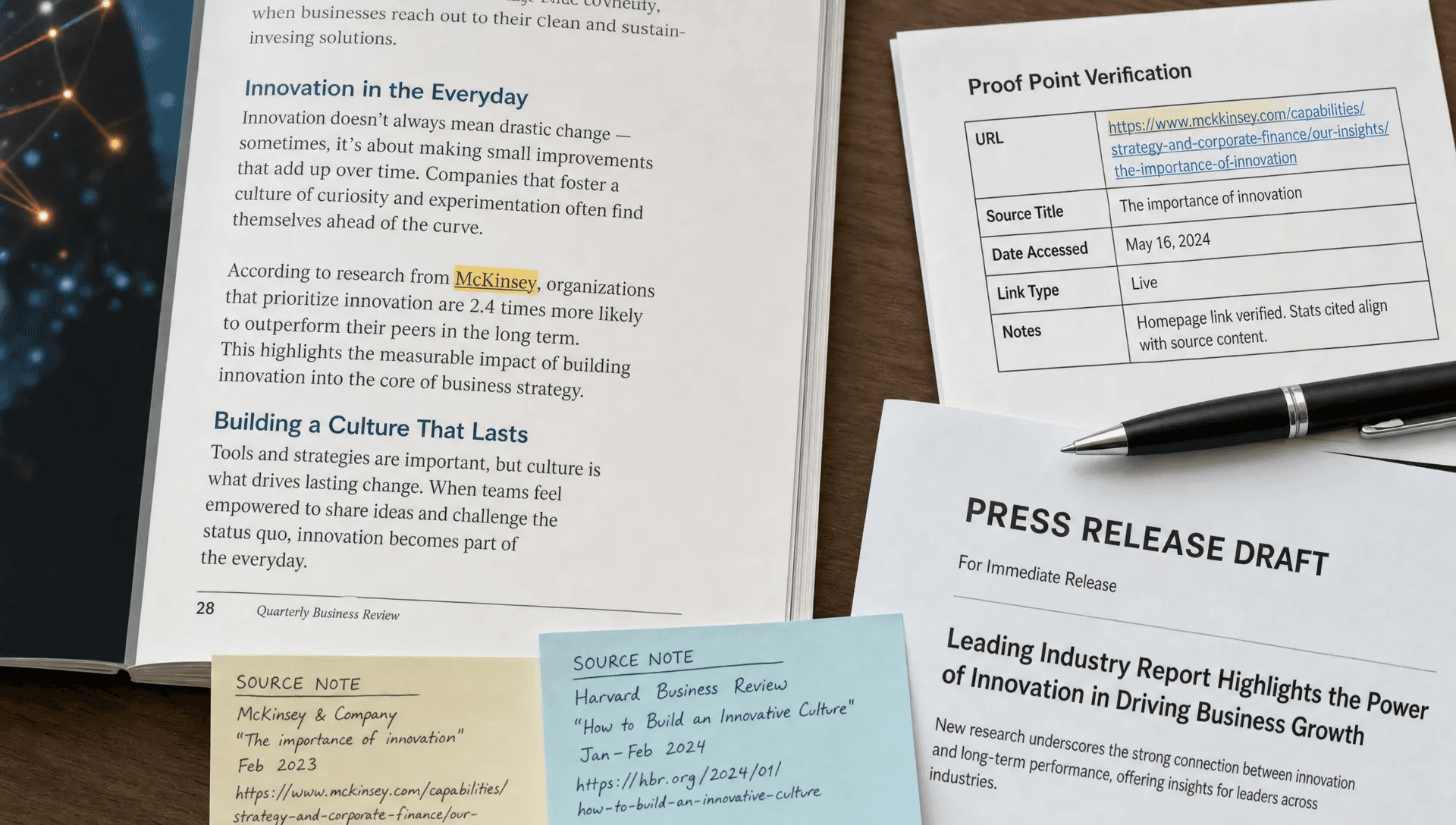
Google does not say you can never pay for promotion. Businesses buy ads, sponsor newsletters, fund content partnerships and run PR campaigns every day. The issue is whether a paid link is designed to pass ranking credit in a way that manipulates search results.
Google Search Central classifies paid links that pass ranking credit as link spam. Google also expects paid or sponsored links to use attributes such as rel='sponsored' or rel='nofollow' so they are not treated as organic editorial endorsements.
In plain English, a paid link becomes risky when all three of these are true: money changes hands, the link is placed mainly for SEO ranking value and the link is made to look like an unpaid editorial recommendation.
That is why guaranteed followed links from unrelated sites should raise concern. A vendor may promise domain authority, fast indexing and keyword-rich anchors, but those are not the same as trust. Search systems evaluate patterns. If your link profile suddenly fills with similar anchors from thin sites, unrelated blogs or content networks, the footprint can work against you.
The biggest risks of buying backlinks
The first risk is search visibility loss. A site can be affected by manual actions, algorithmic devaluation or simple link ignoring. In many cases, the buyer does not receive a dramatic penalty. Instead, the links stop passing value or the site struggles to gain trust because its backlink profile looks artificial.
The second risk is anchor text overoptimization. Natural backlinks rarely use the same commercial phrase again and again. Real publishers link with brand names, URLs, article titles, product names and mixed contextual language. If you buy backlinks using exact-match anchors like best CRM software or online casino platform across many sites, you create a pattern that is easy to spot.
The third risk is topical mismatch. A backlink from a finance publication to a fintech startup can make sense. A backlink from a recipe blog to a B2B cybersecurity platform usually does not. Search engines use context, not just raw link counts. Irrelevant links can dilute trust and make your brand look like it is chasing metrics rather than audience fit.
The fourth risk is poor durability. Low-quality paid links disappear, get moved, become noindexed or sit on domains that later get repurposed. You may pay for a report that looks impressive today, then find that half the placements no longer exist six months later.
The fifth risk is brand reputation. Prospects, investors, journalists and AI search systems can all encounter your digital footprint. Being visible in trusted publications helps. Being associated with spammy sites, thin advertorials or obvious link farms does the opposite.
A safer due diligence checklist before paying anyone
Before you pay an agency, marketplace or publisher for link-related work, ask for proof that the process is built around quality rather than shortcuts. You do not need to see every publisher in advance, but you should understand how placements are sourced, reviewed and reported.
A trustworthy provider should be able to explain:
- How it evaluates topical relevance between your brand and the publication
- Whether links are editorial, sponsored, nofollow, sponsored or a mix
- What anchor text strategy it uses and why it avoids exact-match repetition
- Whether placements appear on indexed pages with real content around them
- How it reports live URLs, publication details and link attributes
- Whether it can show examples from similar industries without exposing client confidentiality
- What happens if a placement is removed or rejected
If a link building company cannot answer those questions clearly, slow down. MediaBoost has a separate guide on what link building companies should prove before you hire, which is useful when comparing vendors that all claim to offer high-authority placements.
You should also check your current backlink profile before adding new links. If your site already has a history of spammy anchors, irrelevant referring domains or sudden link spikes, buying more links can compound the problem. Clean strategy starts with knowing your baseline.

Better options than buying PageRank
The best alternatives to risky backlink buying still require investment, but the money goes into assets, stories and distribution instead of artificial ranking signals. These options are slower than bulk link packages, but they build brand equity that survives algorithm updates.
Digital PR built around real stories
Digital PR earns links by giving publishers something worth covering. That can include original data, funding news, product launches, executive commentary, industry analysis, partnerships or useful consumer trends. The link is a byproduct of the story, not the only reason the story exists.
This approach works especially well when your company has a clear angle. A cybersecurity company can comment on breach trends. A legal tech company can analyze regulatory changes. A health brand can publish anonymized survey data. A platform serving a specialized market can explain changes in that market with authority.
Relevance matters more than raw volume. For example, a crypto-ready iGaming platform such as Spinlab's white label casino software would benefit more from coverage in iGaming, payments, compliance or startup media than from dozens of unrelated lifestyle blog links. The same principle applies to any niche: the best links live where your buyers, partners and industry peers already pay attention.
Newsworthy press release distribution
Press releases are not a magic SEO loophole, but they can be valuable when used correctly. A strong release helps search engines, journalists, prospects and AI systems understand what your company does, what changed and why it matters. It can also create a public record of launches, milestones, partnerships and industry announcements.
The key is restraint. Press releases should not be packed with exact-match commercial anchors. They should read like announcements, include factual details and point readers to a relevant next step. If you are considering this channel, the MediaBoost guide to press release link building as a smart or risky tactic explains when distribution supports SEO and when it crosses into manipulation.
Linkable assets that deserve citations
Some pages naturally earn more backlinks because they make other people’s content better. These include original research, calculators, templates, benchmark reports, glossaries, free tools and well-maintained statistics pages. A strong linkable asset gives writers a reason to cite you even when they are not writing about your company directly.
This is one of the cleanest long-term strategies because each outreach email can lead with value. Instead of asking for a link to your homepage, you are offering a useful source that improves an article already in progress or already published.
Expert commentary and thought leadership
Founders, executives and subject matter experts can earn links by being useful sources. Journalists, newsletter writers and industry bloggers need clear explanations from people who know the market. If your team can respond quickly with specific, quotable insight, you can earn mentions that generic outreach will never win.
This works best when you avoid vague commentary. A strong quote says something specific about a trend, gives a practical implication or challenges a weak assumption in the market. The more useful your expert perspective is, the less your outreach feels like link begging.
Partner, customer and ecosystem links
Many companies overlook legitimate links they have already earned in the real world. Vendors, integrations, associations, customers, podcasts, event pages, award pages and local business organizations often maintain resource or partner sections. These links are usually relevant because they reflect an actual relationship.
They are not always high authority, and that is fine. A healthy backlink profile includes a mix of brand mentions, niche references, local citations, partner pages, media coverage and editorial links. Natural diversity is stronger than a portfolio built only from paid placements with similar metrics.
Where MediaBoost fits
MediaBoost is designed for brands that want visibility in trusted publications without managing the full distribution process themselves. The service focuses on press release distribution and media placement across 500+ outlets, with done-for-you submissions, editorial review, live links and proof reports.
That does not mean every announcement should be treated as an SEO play. The strongest use cases are real business moments: a launch, funding announcement, partnership, executive appointment, expansion, report release, product update or major customer milestone. When the story is legitimate, distribution can support credibility, social proof, branded search presence and visibility across search and AI-driven discovery.
For agencies, startups and growth teams, the benefit is operational as much as strategic. Instead of negotiating one placement at a time, you can package a newsworthy announcement, distribute it quickly and receive proof of where it went live. MediaBoost packages are tailored by industry and can often be completed within 48 hours, according to the service description.
A simple decision framework
You can reduce most backlink risk by separating legitimate visibility spending from manipulative link buying.
Consider paying when the deliverable is strategy, editorial review, PR distribution, content quality, audience access or transparent sponsored exposure. Be cautious when the deliverable is a guaranteed followed backlink with a fixed domain metric and a keyword anchor chosen before anyone has reviewed your story.
Walk away if a vendor promises instant ranking gains, refuses to show sample placements, sells bulk links across unrelated sites, guarantees exact-match anchors or cannot explain link attributes. Also be skeptical of packages that price links purely by domain authority. Third-party metrics can help with screening, but they are not a substitute for relevance, traffic, editorial standards and brand safety.
A practical rule: if you would still want the placement for brand credibility, referral visibility or audience trust even without SEO value, it is probably closer to legitimate marketing. If you would only buy it because you hope Google counts it, it is probably riskier than it looks.
Frequently Asked Questions
Is it illegal to buy backlinks? Buying backlinks is not usually illegal by itself, but it can violate search engine policies if the links are intended to manipulate rankings and are not properly qualified. Advertising, sponsorships and PR are normal marketing activities when they are transparent.
Can paid backlinks still help SEO? Paid promotion can support SEO indirectly by increasing brand awareness, referral traffic, branded search demand and the chance of earning organic coverage. Paid links that pass ranking credit are risky and may be ignored or treated as link spam.
Are press release backlinks safe? Press release links are generally safer when the release is newsworthy, factual and not stuffed with keyword-rich anchors. The goal should be distribution, credibility and discoverability, not manufacturing artificial ranking signals.
How many backlinks should I buy? A safer answer is none if the links are being sold purely for ranking manipulation. If you are investing in PR or content promotion, focus on the quality of placements, topical relevance and reporting rather than a fixed number of links.
What is the safest alternative to buying backlinks? Digital PR, newsworthy press release distribution, expert commentary, partner citations and linkable assets are safer because they create reasons for real publications and relevant sites to mention your brand.
Build visibility without gambling on spammy links
If your goal is more credibility, better brand presence and stronger visibility across trusted publications, you do not need to chase risky bulk backlink packages. Invest in stories, relevance and distribution that can stand up to review.
MediaBoost helps brands turn legitimate announcements into media placements across 500+ outlets, with done-for-you submissions, editorial review, live links and SEO proof reports. If you want backlinks as part of a broader visibility strategy rather than a shortcut that puts your domain at risk, that is the more durable path.