What Link Building Companies Should Prove Before You Hire
Hiring a link building partner is risky when promises outpace proof. Use this checklist to evaluate placement quality, reporting, safety controls and fit before you sign.

Get featured on 500+ media outlets
Guaranteed placement, no PR experience needed.
Hiring a link building partner should feel less like buying a mystery box and more like approving a measurable growth channel. The problem is that many link building companies sell the same surface-level promise: higher authority, more backlinks and better rankings. Those claims are not enough.
A good provider can explain where your links will come from, why those placements make sense, how they protect your site from avoidable risk and what evidence you will receive after the work is done. A weak provider leans on vague authority metrics, bulk packages and “trust us” reporting.
Before you sign a contract, ask for proof in six areas: placement quality, relevance, editorial standards, anchor text strategy, reporting and risk control. If a company cannot make those things clear before you pay, it probably will not become more transparent after the campaign starts.
Start With the Placement Model
Different link building companies use different methods. Some focus on digital PR, some on guest contributions, some on press release distribution, some on curated publisher relationships and some on manual outreach. None of these models is automatically good or bad. The quality depends on execution, relevance and transparency.
Ask the company to describe its placement model in plain English. If the explanation sounds intentionally confusing, slow down. You should know whether your link is likely to appear in a news article, contributed editorial piece, resource page, business profile, syndicated press release or sponsored placement.
| Placement model | What to ask before hiring | Main risk if unclear |
|---|---|---|
| Digital PR | What makes the story newsworthy and who will pitch it? | Paying for outreach with no placement path |
| Guest editorial | Who approves the content and where can samples be reviewed? | Thin content on low-quality sites |
| Press release distribution | Which outlets are possible and what proof is provided? | Treating distribution as a ranking shortcut |
| Niche edits | Why is the existing article relevant and editorially suitable? | Links inserted into unrelated pages |
| Publisher partnerships | Are placements disclosed when required? | Compliance or reputation issues |
A trustworthy provider will not hide behind “proprietary methods” when you ask how links are earned or placed. They may protect specific publisher relationships, but they should still explain the workflow, approval process and standards.
They Should Prove Relevance, Not Just Authority
Authority metrics can be useful, but they are not the whole story. Domain Rating, Domain Authority and similar scores are third-party estimates. They can help compare sites, but they do not prove that a publisher is relevant to your audience or that a link will support your brand.
Relevance is what connects the placement to your business. A B2B SaaS company usually needs different publishers than a local healthcare practice, ecommerce marketplace, fintech startup or law firm. The best link building companies understand industry context and can explain why specific publications make sense for your campaign.
For example, an online shopping marketplace in the UAE would likely benefit more from regional retail, grocery, lifestyle, ecommerce and community publications than from random high-metric blogs in unrelated niches. The link environment should make sense to a human reader before it makes sense to an SEO tool.
Ask for sample placements from your industry or adjacent industries. You do not need a provider to reveal every partner site in advance, but you should see enough examples to judge whether its idea of “quality” matches yours.
They Should Show Editorial Standards
A backlink placed in poor content can create more concern than value. Before hiring, ask how content is researched, written, edited and approved. Strong providers care about the article around the link, not just the link itself.
At minimum, they should be able to explain whether placements go through editorial review, whether AI-assisted content is checked by humans, whether sources are verified and how they avoid duplicate or spun content. The article should have a real purpose for readers. If the provider treats content as filler wrapped around a link, that is a warning sign.
Google’s spam policies for web search warn against link schemes intended to manipulate rankings. That does not mean every paid PR or placement activity is spam. It does mean your provider should understand the difference between legitimate visibility work and manipulative link schemes.
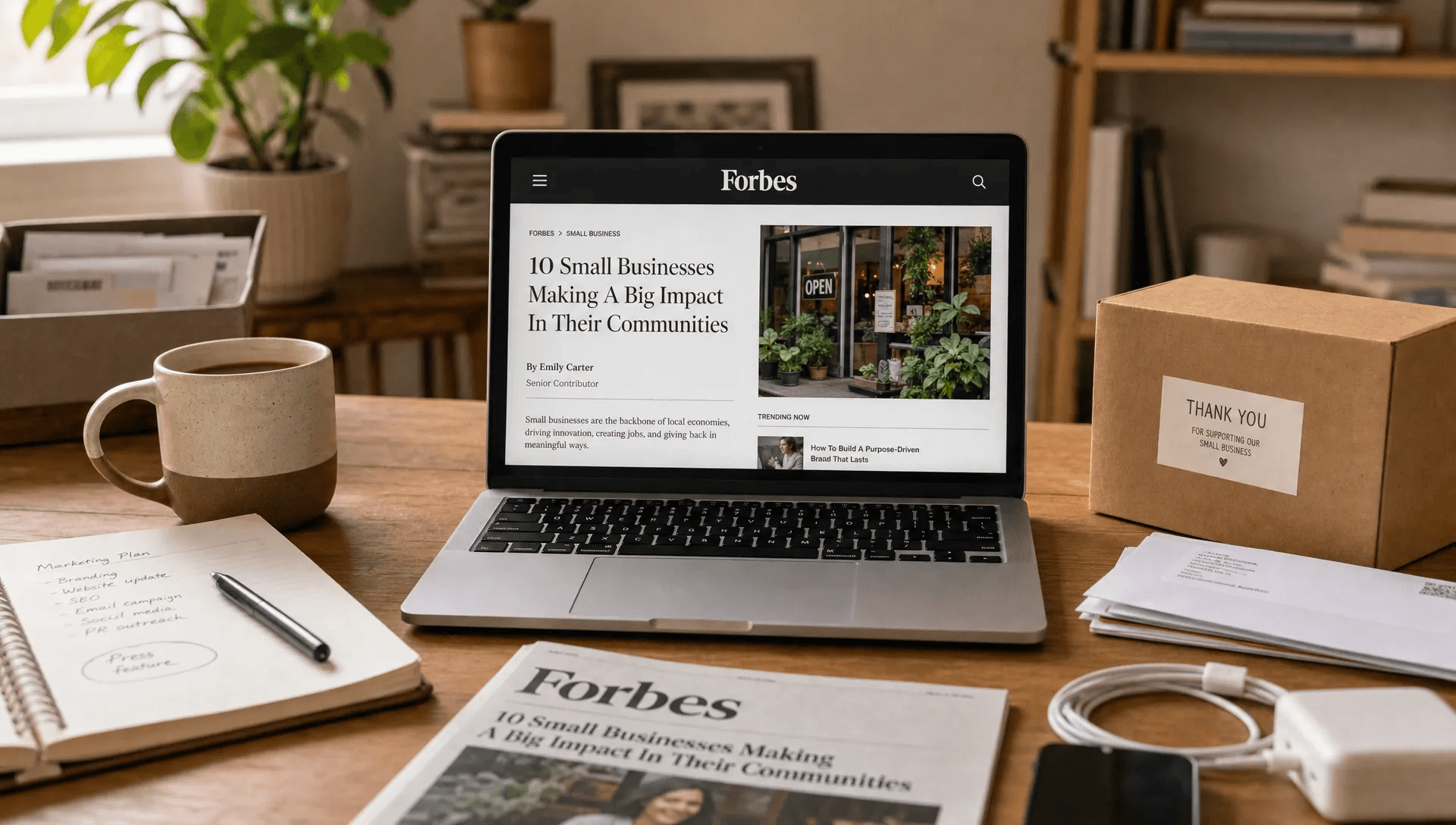
If you are considering PR-led placements, read up on the difference between newsworthy distribution and risky shortcuts. MediaBoost covers that distinction in its guide to press release link building, which explains when press releases support SEO and when they become a weak tactic.
They Should Audit Your Backlink Profile First
A serious link building company should not recommend a campaign before understanding your current backlink profile. Your existing links affect what kind of campaign is safe, useful and realistic.
A site with very few links may need foundational brand mentions and trustworthy citations first. A site with years of aggressive exact-match anchors may need a more cautious strategy. A site that already has strong authority might need relevance, digital PR and brand visibility more than another batch of generic guest posts.
The pre-campaign review does not need to be a massive forensic audit every time, but it should cover:
- Current referring domains and their quality
- Anchor text distribution
- Link velocity and sudden spikes
- Overused commercial keywords
- Toxic or irrelevant link patterns
- Pages that already attract links
- Pages that are worth promoting next
If you want a practical framework, MediaBoost’s Ahrefs backlink audit checklist walks through what to check before building new links. Even if your provider uses another tool, the logic is the same: diagnose first, build second.
They Should Explain Anchor Text Like Adults
Anchor text is one of the easiest places for a careless provider to create risk. If every backlink uses the same commercial keyword, the pattern looks unnatural. If every link uses vague text like “website” or “click here,” the campaign may miss useful context.
A healthy strategy usually includes branded anchors, URL anchors, topical anchors and occasional keyword-informed anchors where they fit naturally. The exact mix depends on your site, your existing profile and the placement context.

You do not need to micromanage every anchor, but you should ask the provider how it decides. The answer should involve relevance, readability and your existing backlink profile, not a fixed formula.
| Anchor type | Example | When it can make sense |
|---|---|---|
| Branded | MediaBoost | Building trust and natural brand signals |
| URL | mediaboost.press | Citations, profiles and reference-style links |
| Topical | press release distribution service | Contextual articles where the phrase reads naturally |
| Long-tail | how brands get media placements | Educational content with a specific topic |
| Exact commercial | link building companies | Use sparingly and only when natural |
Be cautious if a provider promises to rank a target keyword by building a fixed number of exact-match links. Modern link building needs more judgment than that.
They Should Put Deliverables in Writing
A proposal should not leave you guessing. Before hiring, ask for written deliverables that define what you are buying and what counts as completion. Clear deliverables protect both sides.
The agreement should state the expected number of placements or submissions, the type of placements, timeline, target pages, reporting format and replacement policy if a link is removed shortly after publication. If link attributes matter to you, ask whether links may be follow, nofollow or sponsored. A reputable company should not pretend every publisher follows the same rules.
This is also where you separate serious providers from package resellers. “10 high-DA links” is not a strategy. A better proposal explains the role of each placement type, the topics being pitched or written and the business outcome the campaign supports.
For a broader selection framework, MediaBoost’s guide on choosing the best link building services covers relevance, reporting and risk questions to ask before comparing vendors.
They Should Provide Proof Reports You Can Actually Use
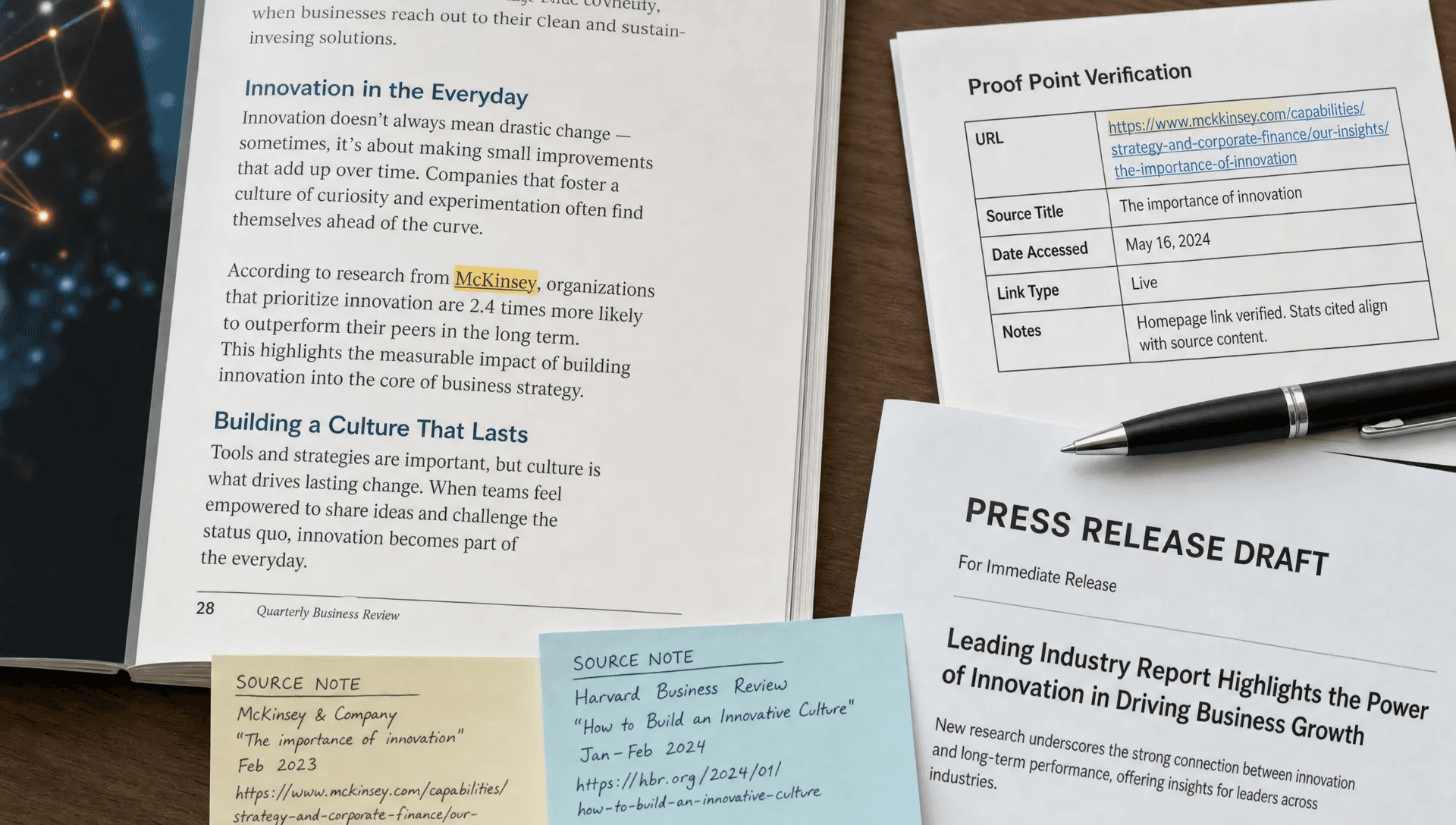
Reporting is where accountability becomes visible. A proof report should not be a spreadsheet full of mysterious URLs and inflated metrics. It should help you verify that the work was completed, understand the quality of each placement and share results with stakeholders.
A useful proof report includes the live placement URL, target URL, anchor text, publisher name, publication date, link attribute and notes on relevance. Screenshots are helpful because pages can change. If the campaign involves guaranteed submissions or media placements, the report should make the status of each placement clear.
| Report item | Why it matters |
|---|---|
| Live URL | Confirms the placement exists |
| Target page | Shows which asset or page received the link |
| Anchor text | Helps monitor natural link patterns |
| Link attribute | Clarifies follow, nofollow or sponsored status |
| Publisher context | Shows whether the placement is relevant |
| Publication date | Helps track link velocity and campaign timing |
| Screenshot or proof file | Preserves evidence if the page changes |
You should also ask how the company handles links that disappear. Some placements naturally change over time because publishers update content, merge pages or remove articles. The provider’s policy should be clear before the campaign begins.
They Should Be Honest About What Link Building Can and Cannot Guarantee
Backlinks can support visibility, authority and discovery. They can help important pages earn more trust when combined with strong content, technical SEO and brand demand. They are not a magic ranking lever.
No ethical provider should guarantee specific rankings, exact traffic numbers or a fixed revenue outcome from backlinks alone. Too many variables sit outside the link builder’s control, including your site quality, search competition, content relevance, technical issues, conversion rate and how search engines interpret signals over time.
Good link building companies are comfortable saying, “This is what we control, this is what we influence and this is what depends on your broader marketing system.” That kind of honesty is more valuable than a flashy guarantee.
They Should Talk About Brand Trust, Not Only SEO Metrics
Search visibility is increasingly connected to brand credibility. People see your company across search results, AI answers, publisher pages, social conversations and review platforms. A backlink from a credible publication can do more than pass authority. It can reinforce that your brand is real, active and worth considering.
That is why link building should not be isolated from PR. Strong campaigns ask where your audience already pays attention, what proof would make your brand more credible and which placements can support both search performance and reputation.
MediaBoost’s article on link building that supports PR, SEO and brand trust explores this connection in more detail. The short version is simple: if a link would embarrass your brand when a customer finds it, it is not a quality link.
Red Flags That Should Stop the Conversation
Some warning signs are easy to spot. If a provider refuses to share sample placements, promises instant rankings or pushes hundreds of links at suspiciously low prices, you do not need another discovery call.
Other red flags are more subtle. A company may have polished sales material but weak operational answers. Pay attention to how they respond when you ask about risk, editorial control and reporting.
Be careful with providers that rely on:
- Private blog networks presented as “exclusive publisher relationships”
- Irrelevant high-metric domains with no real audience fit
- Exact-match anchor packages sold in bulk
- No clear replacement or removal policy
- Reports that hide live URLs until after final payment
- Content that appears duplicated across many sites
- Claims that Google penalties are impossible
A provider does not need to be perfect to be worth hiring, but it does need to be transparent. Evasive answers are often more revealing than bad answers.
Questions to Ask Before You Hire
Use your sales call to test the company’s standards. These questions are simple, but they expose how the provider really works.
- Can you show sample placements from my industry or a related industry?
- How do you decide which publishers are relevant?
- Who writes and reviews the content?
- What anchor text mix do you recommend based on my current backlink profile?
- What will the final report include?
- Do you use paid placements, earned outreach, PR distribution or a mix?
- How do you handle removed links?
- What results should I not expect from this campaign?
The last question is especially useful. A good partner will set boundaries. A bad one will keep expanding the promise until it sounds risk-free.
Frequently Asked Questions
What should link building companies prove before I hire them? They should prove placement quality, publisher relevance, editorial standards, reporting details, anchor text strategy and risk controls. You should also see sample work before committing.
Are high authority backlinks always better? Not always. A relevant link from a credible industry or regional publisher can be more useful than a high-metric link from an unrelated site. Authority matters, but relevance and context matter too.
Should a link building company guarantee rankings? No. A company can guarantee specific deliverables, such as submissions, placements or reports, if that is part of its model. It should not guarantee exact rankings because search performance depends on many factors.
How many links do I need? The right number depends on your competition, current backlink profile, target pages and content quality. A provider should audit your site before recommending a volume.
Is press release distribution a form of link building? It can support link building when the release is newsworthy, distributed through credible outlets and used as part of a broader PR strategy. It becomes risky when treated as a shortcut for keyword manipulation.
Build Links With Proof, Not Guesswork
The best link building companies do not ask you to trust a black box. They show the process, define the deliverables and provide evidence once placements are live.
If your brand wants media visibility with clear proof, MediaBoost helps companies get featured across 500+ trusted publications with done-for-you submissions, editorial review, guaranteed live backlinks and SEO proof reports. Industry-specific packages can often be completed within 48 hours, making it a practical option for teams that need credible placements without managing outreach in-house.
Explore MediaBoost’s press release distribution and media placement services to see how proof-based visibility can support your SEO, credibility and AI search presence.