International Link Building for Brands Entering New Markets
A backlink from another country is not automatically a foothold in that market. Learn how to choose local publishers, prepare regional landing pages and measure the coverage that reaches buyers.

Get featured on 500+ media outlets
Guaranteed placement, no PR experience needed.
International link building should help a brand become discoverable and credible in a specific market, not simply collect backlinks from foreign websites. A placement matters when its readers match your prospective customers, its context supports your offer and its link leads to a page those readers can actually use.
For brands expanding abroad, that means connecting PR, localization and search strategy before outreach begins. A widely syndicated announcement may establish visibility, but it cannot replace a useful regional landing page or a recommendation from a publication buyers already trust.
The practical starting point is one priority market, a defined audience and a reason for local publishers to care. From there, you can build a repeatable process without treating every country as the same opportunity.
Plan international link building around one market at a time
A country is not an audience segment. A software company targeting procurement teams in Germany needs different coverage from a consumer brand reaching English-speaking shoppers in Singapore. Language, buying behavior and distribution channels all affect which links are worth pursuing.
Create a short market brief before compiling prospects. Record the buyer, the product available locally, the relevant language and the business outcome you want. That outcome might be qualified inquiries, distributor conversations or purchases, rather than a higher backlink count.
Your international link building priorities should follow commercial readiness: promote markets where customers can already buy, receive support and understand your offer.
Keep the brief specific:
- Audience: Identify the buyer's role, problem and preferred information sources.
- Availability: Confirm service coverage, delivery conditions and local support.
- Search intent: Research how people describe the problem locally, not just how your existing keywords translate.
- Conversion: Define the action a regional visitor should take and how you will measure it.
This also prevents premature outreach. If local pricing or fulfillment remains unresolved, publisher attention may produce visits that your business cannot convert.
Prepare regional pages before earning links
An overseas backlink should not send interested buyers into a dead end. Before outreach, check whether the destination page answers the questions that matter in that market: availability, currency, delivery, service area, support hours and relevant proof.
Localization goes beyond translation. A technically accurate page can still feel unfamiliar if its terminology, examples or buying process do not match local expectations. Have someone familiar with the market review commercial pages and outreach copy.
Choose a consistent URL structure for regional content. Country-code domains, subdomains and subdirectories each involve operational trade-offs; none removes the need for useful content and relevant promotion. Where you have alternate language or regional versions, follow Google's guidance on localized pages, including appropriate hreflang implementation.
For international link building, the best destination is usually the most relevant available page, not automatically the homepage. A regional service page may suit a local buyer guide, while an original research page may suit a journalist citing your findings.
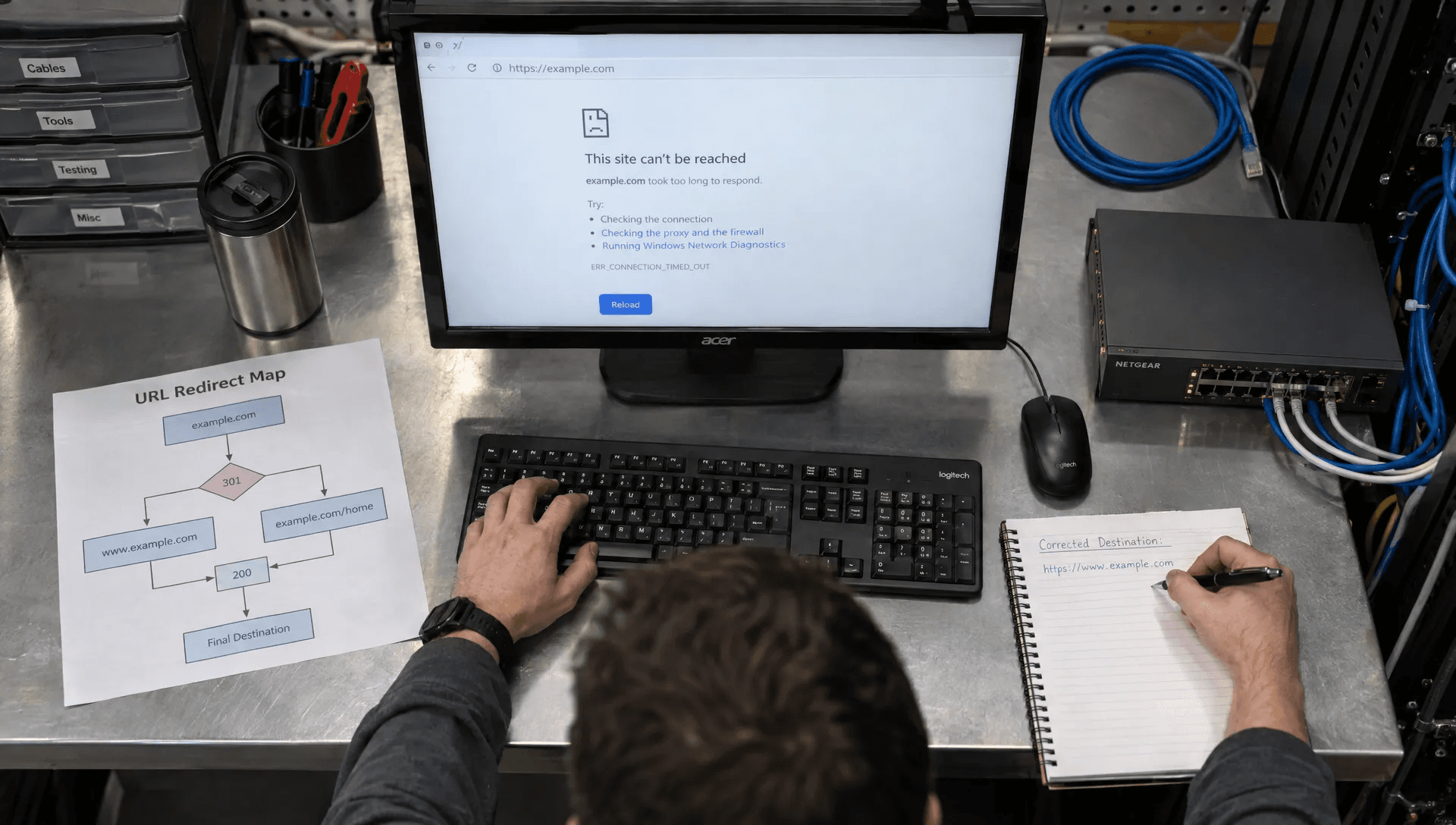
Check indexability, internal links and canonical settings before launch. A regional page accidentally canonicalized to a different version can undermine your intended setup. Links cannot compensate for a page that search engines cannot access or that visitors cannot use.
Find publishers through local buying journeys
Start prospecting with the sources your target buyers encounter. Search local-language industry terms, inspect publications covering comparable businesses and review relevant associations, events and specialist newsletters. Competitor backlinks can reveal opportunities, but they should not become your entire prospect list.
Separate prospects by purpose. A national business publication may introduce your brand broadly. A trade journal can reach a narrow purchasing audience. A legitimate regional directory may help customers verify your presence, even without delivering substantial referral traffic.
Evaluate individual pages as well as domains. Look at recent coverage, named authors, editorial focus and whether the publication actually serves the market you are entering. A country-code domain alone does not establish audience relevance, and a global domain can have a valuable local edition.
Strong international link building depends more on audience fit than on the publisher's address or a third-party authority score. Request country-level readership information when available, then compare it with the site's content and commercial positioning. Publisher audience claims are useful inputs, not independent proof.
If an agency handles prospecting, apply the same standards. Establish what a link building provider should prove before you hire, including placement examples, relevance criteria and reporting expectations. Approve the selection logic before approving a volume target.
Give local publishers something worth referencing
A market-entry announcement needs more than a translated company biography. Publishers need a reason the expansion matters to their readers: new availability, local jobs, a useful partnership, credible research or an answer to a regional problem.
Consider the automotive category. A brand entering Singapore could study how Ceramic Works presents its ceramic coating services in Singapore to understand the specificity buyers encounter from established local providers. The useful lesson is not to copy its content, but to recognize that local audiences expect concrete service information rather than generic global claims.
A stronger outreach asset might explain how to evaluate coating services, publish a transparent comparison methodology or share original customer research with appropriate consent. Any technical or performance claims need evidence, particularly when they concern protection, durability or certification.
Effective international link building gives a publisher a source worth using even if the brand were unfamiliar. Adapt the evidence and angle to the market instead of changing only the country name.
Keep the pitch concise: why the topic matters locally, what evidence you can supply and who can answer questions. Use a native-language reviewer when needed. Do not invent local expertise, imply an office you do not operate or present an international customer story as a local one.
Separate earned coverage, paid placements and distribution
These channels serve different purposes and should not be bundled into one undifferentiated link count.
Earned coverage depends on a publisher independently deciding that your information deserves inclusion. You can improve the pitch and supporting material, but you cannot guarantee an editorial recommendation.
Paid placements purchase visibility under agreed terms. Google's link spam policies address buying links for ranking purposes; advertising and sponsorship links should be appropriately qualified, commonly with rel="sponsored" or nofollow.
Press release distribution circulates a company announcement and can produce accessible publication URLs. It is useful for communicating a launch consistently, but syndicated copies are not equivalent to separate editorial endorsements.
In international link building, distinguish these channels in both planning and reporting. Five hundred published copies do not necessarily represent five hundred distinct audiences, independent recommendations or ranking benefits.
MediaBoost provides press release distribution, editorial review, done-for-you submissions and proof reports. Those services can support an expansion announcement alongside targeted local outreach. Before choosing a package, confirm target-market availability, language requirements, placement format and link attributes.
A coordinated approach to link building, PR and brand trust keeps those roles clear. Neither a distribution report nor a live backlink guarantees search rankings or inclusion in AI-generated answers.

Run a focused 90-day market pilot
Treat the first campaign as a structured test, not a promise of rankings within three months. Publisher schedules, sales cycles and search response times vary. The following sequence is a planning framework rather than an expected results timeline.
Weeks 1 and 2: Establish readiness and baselines
Finalize the market brief, review destination pages and document existing visibility. Record relevant referring domains, organic landing-page performance, referral conversions and branded search activity where measurable.
Assign responsibility for local-language review, journalist responses and lead follow-up. Outreach stalls when an interested publisher cannot get an accurate answer quickly.
Weeks 3 through 6: Test a small prospect set
Approach a manageable group of well-matched publishers with one or two locally relevant angles. Record replies, objections and requests for additional evidence.
Avoid changing the audience, asset and pitch simultaneously. If one version performs better, you need enough consistency to understand why. Decline irrelevant placements rather than accepting them to satisfy an activity quota.
Weeks 7 through 12: Improve and expand selectively
Review which coverage reached the intended audience and which pages helped visitors take the next step. Revise weak destinations before increasing outreach.
A useful international link building pilot produces a clearer decision: expand the approach, change the story or pause until the market is better supported. Repeat the process in a second market only after identifying what actually worked, rather than copying the original publisher list.
Measure market impact, not just link volume
Maintain separate views for placement quality, audience response and commercial outcomes. A live-link report confirms publication; it does not establish that the right people saw the coverage or that it influenced a purchase.
| Measurement | What to record | What it helps assess |
|---|---|---|
| Relevant referring domains | Distinct publishers with a clear audience or topic fit | Whether coverage is reaching appropriate sources |
| Regional landing-page performance | Search impressions, clicks and queries by country | Whether visibility is developing in the intended market |
| Referral engagement | Visits and meaningful actions from each placement | Whether readers find the destination useful |
| Qualified outcomes | Valid inquiries, purchases or partner conversations | Whether the campaign supports business goals |
| Placement characteristics | Language, destination URL, link attributes and publication type | Whether delivery matches the agreed plan |
Use country filters carefully. Search Console can segment search performance by country, but visitors' locations do not perfectly reveal their language, nationality or buying authority. Combine reporting with CRM qualification and customer feedback.
Judge international link building against a baseline and alongside other activity. Advertising, seasonality, product launches and technical changes can all affect results. A rise in organic traffic after publication is not, by itself, proof that a particular backlink caused it.
Track publication durability too. Recheck important URLs and destination links periodically. A placement that disappears or redirects should not remain indefinitely in a report as an active result.
Frequently asked questions
Do international backlinks need to come from country-specific domains? No. Audience relevance, subject matter and editorial context matter more than the domain extension alone. A global publication with an established local section may be more useful than an unrelated site using the target country's domain extension.
Should outreach always use the local language? Use the language the publication and its readers expect. English may be appropriate for some markets or sectors, but that decision should follow audience research. Have locally fluent reviewers check terminology, tone and commercial claims when translation is involved.
Can press release distribution replace local outreach? No. Distribution can communicate an expansion announcement and provide publication records. Local outreach seeks coverage or references based on a publication's particular audience and editorial interests. They can complement each other without being interchangeable.
How many links does a new market need? There is no universal target. International link building should be scoped around the competitive landscape, available evidence, publisher relevance and business readiness. Set quality and outcome criteria before setting a numerical target, then revise the plan using actual campaign results.
Support your next market launch with a clear distribution brief
Before commissioning distribution, define the countries, languages, announcement and destination pages you want to support. Ask providers to distinguish publication commitments from earned editorial coverage and clarify how results will be documented.
If press release distribution fits your launch plan, explore MediaBoost's distribution services and discuss the relevant industry package. Pair that announcement with localized pages and targeted publisher outreach so visibility has somewhere useful to lead.