Are Press Packages Worth It for Startup Launches?
Press packages can give startup launches fast credibility and reusable proof, but only when the story is ready. This guide explains when to invest, what to ask providers, and how to measure results beyond logo placement.

Get featured on 500+ media outlets
Guaranteed placement, no PR experience needed.
For a startup launch, attention is not a vanity metric. It can influence early customers, investor conversations, partner confidence, recruitment, and how your brand appears when someone searches for you. That is why many founders consider press packages before launch day.
But are press packages worth it?
The honest answer is: yes, when you have a real announcement, clear positioning, and a plan to reuse the coverage. They are much less valuable when you expect them to create demand from nothing or replace a well-built launch strategy.
A good press package should not be treated as a one-time publicity purchase. It should be treated as launch infrastructure, a way to turn your announcement into searchable, credible, third-party proof that supports sales, fundraising, hiring, and brand visibility long after launch week.
What startup press packages usually include
A press package is a bundled service designed to help you announce something publicly and get that announcement distributed or placed across media outlets. The exact scope varies by provider, so founders should always check what is included before buying.
Most startup press packages include some combination of:
- Press release editing or writing
- Distribution to media outlets or news networks
- Guaranteed placements, submissions, or publication opportunities
- Live links after publication
- Reporting that shows where the release appeared
- Industry or category targeting
- Basic editorial review before submission
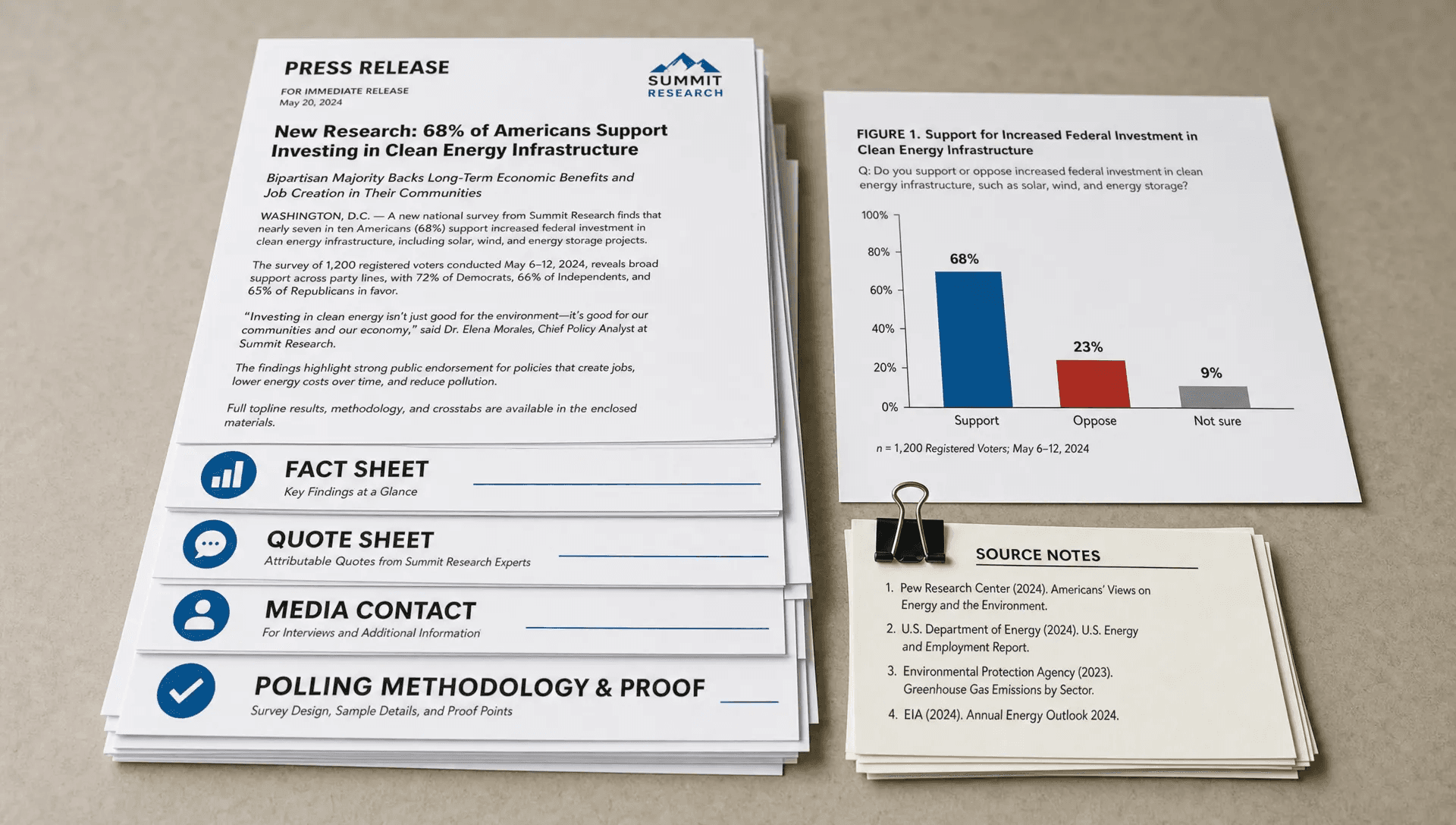
This is different from a press kit or media package for journalists. A press kit is usually a collection of assets, such as your company background, founder bios, product screenshots, logos, approved quotes, and media contact details. If you are still organizing those materials, this guide on what to include in a media package for journalists is a useful companion before you pay for distribution.
Here is the simplest way to compare the two:
| Asset | Main purpose | Best used for |
|---|---|---|
| Press release | Announce a specific news event | Product launch, funding, partnership, milestone |
| Press kit | Help journalists or partners understand the company | Interviews, media outreach, investor due diligence |
| Press package | Package creation, review, distribution, and reporting | Fast launch visibility and credibility |
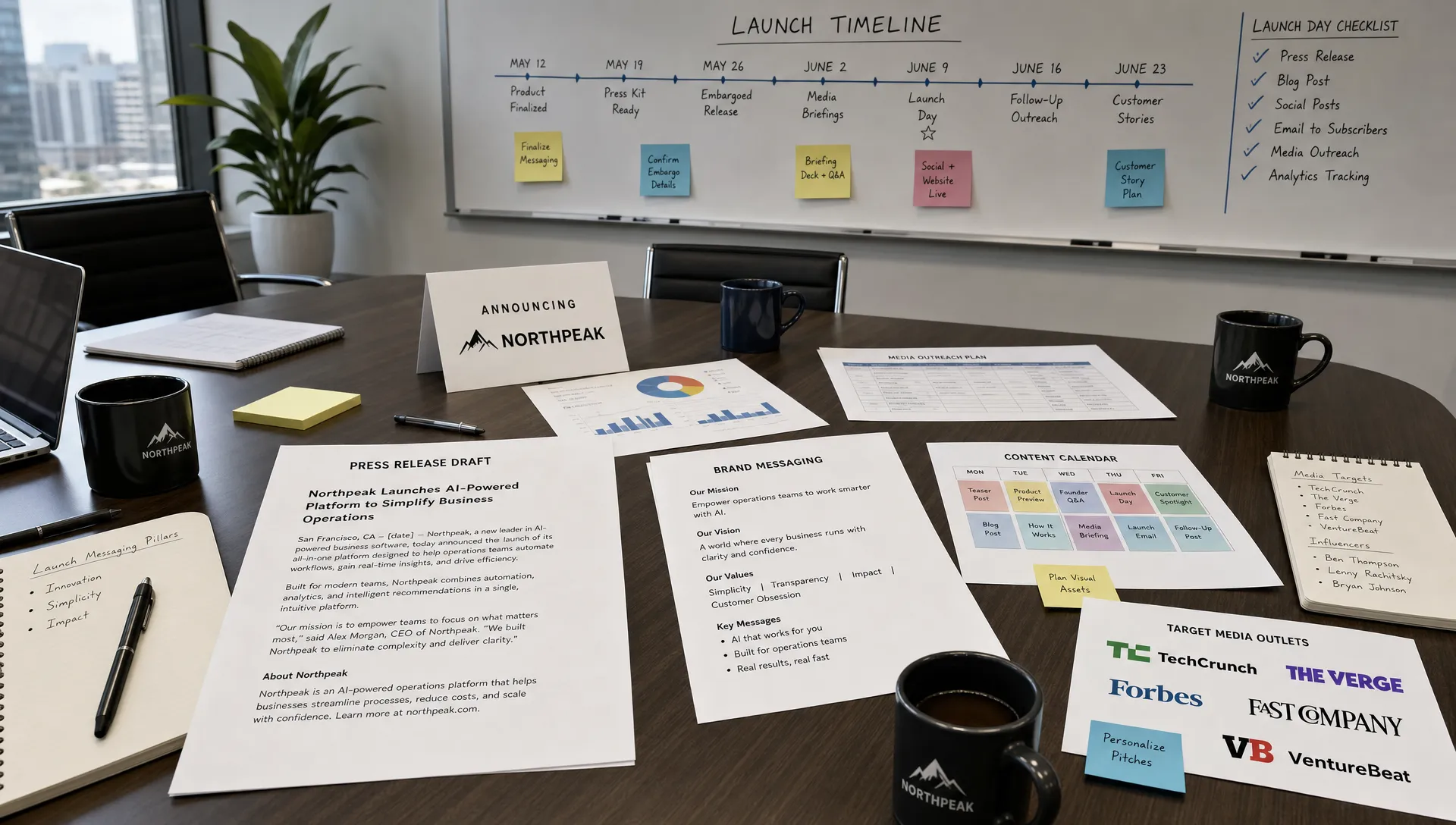
The best launch teams often use all three. The press release carries the announcement, the press kit supports follow-up interest, and the press package helps distribute the message at scale.
The real value of press packages is not just exposure
Many founders ask whether a press package will drive traffic. It might, but referral traffic alone is often the wrong metric.
For early-stage startups, press packages are usually more valuable for trust signals than direct clicks. A launch mention on recognized publications can support the moments when someone is already evaluating you. That might be an investor searching your company name, a prospect checking whether you are legitimate, a potential hire researching your traction, or a partner deciding whether to take a meeting.
This makes press packages especially relevant for bottom-of-funnel and credibility-building moments.
A launch article, syndicated press release, or media placement can help with:
- Brand search results when people Google your company
- Sales decks and investor updates that need third-party proof
- Social proof on landing pages and email sequences
- Founder LinkedIn posts and launch announcements
- AI search visibility, since public brand mentions may contribute to how your company is discovered and summarized
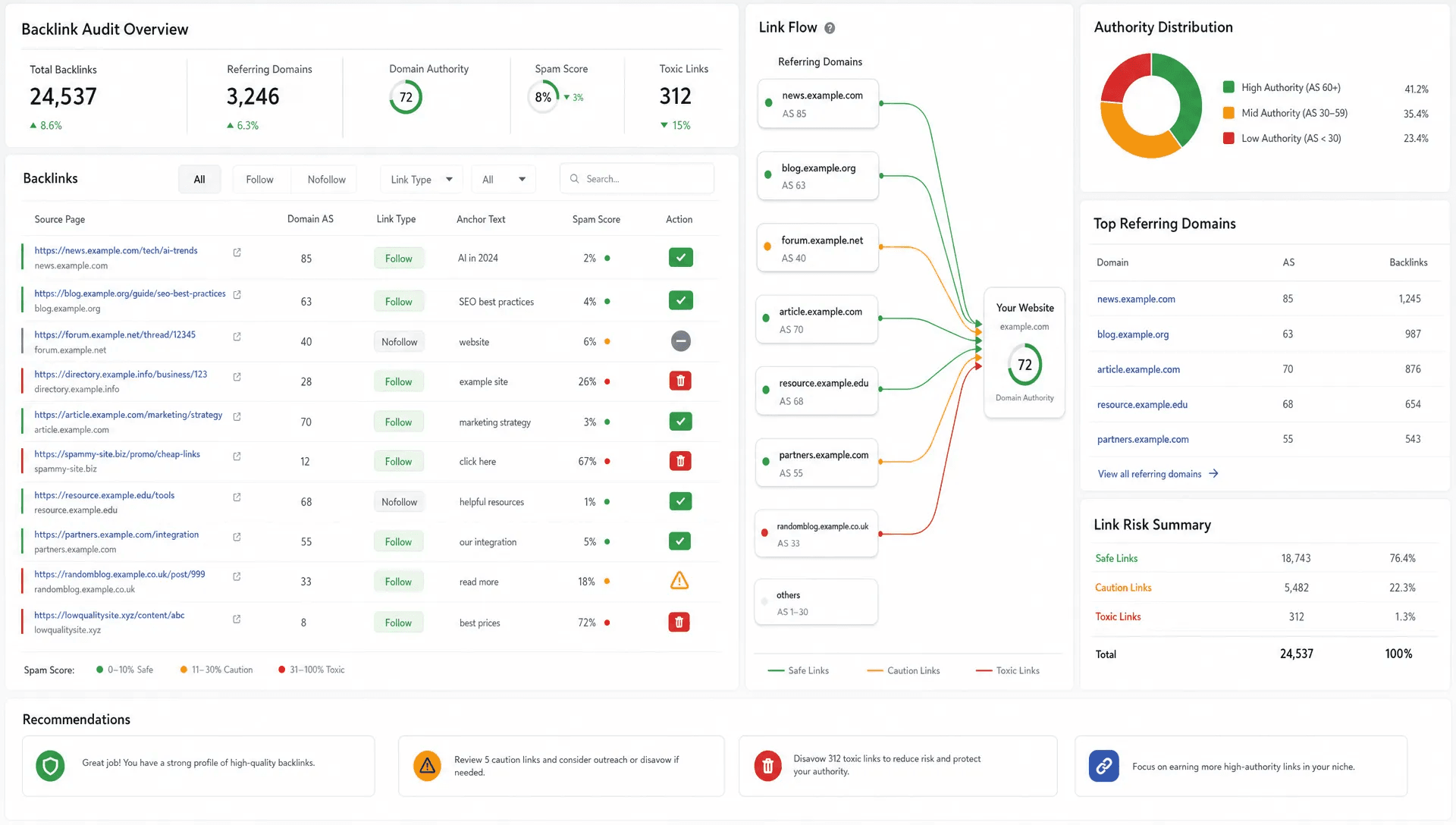
- SEO support when placements include live backlinks and indexable mentions
That does not mean every placement has the same value. A niche trade publication read by your target buyers can be more useful than a broad outlet that reaches the wrong audience. A guaranteed link is useful, but the surrounding context and credibility of the publication matter too.
When press packages are worth it for a startup launch
Press packages are most worthwhile when your startup has something specific, timely, and easy to explain. The story does not need to be world-changing, but it does need to be clear.
A strong launch announcement usually answers three questions quickly: what is new, who it helps, and why now.
For example, a startup launch is more press-ready if it includes a defined customer problem, a product category, a credible founder insight, and a clear launch milestone. If the announcement is simply that a company now exists, coverage will be harder to make meaningful.
Press packages tend to make sense in these situations:
| Startup situation | Why a press package can help |
|---|---|
| Public product launch | Creates a searchable announcement and launch proof |
| Funding announcement | Adds credibility for investors, customers, and hiring |
| Marketplace launch | Builds trust for both supply and demand sides |
| B2B SaaS launch | Supports sales outreach with third-party validation |
| Agency or consulting launch | Helps establish authority in a competitive market |
| Expansion into a new market | Gives partners and buyers a public signal of momentum |
They are also useful when the founding team does not have time to manage manual media outreach. If you are comparing DIY PR with paid distribution, MediaBoost has a separate guide on how startups can break into media without a PR team, which is helpful if you are still deciding how hands-on you want to be.
How to judge ROI before buying a press package
The biggest mistake is buying a press package without defining what success looks like. Press is rarely a simple spend X, get Y revenue channel. It is closer to a credibility asset that can influence several parts of the launch funnel.
Before you buy, decide which outcome matters most.
If your goal is fundraising, success might mean having reputable links to include in investor updates. If your goal is sales, success might mean using launch coverage in outbound sequences and demo follow-ups. If your goal is SEO, success might mean indexable mentions, live backlinks, and a stronger branded search footprint.
Founders can borrow a useful idea from strategy training: pressure-test scenarios before committing resources. Just as teams use experiential tools like business simulation software to practice marketing and strategy decisions under realistic constraints, startups should model several launch outcomes before choosing a package. Ask what happens if the release gets broad pickup but little traffic, if it ranks for branded searches, or if it becomes a sales enablement asset rather than a lead source.
A simple ROI framework looks like this:
| Goal | What to measure | How to use the results |
|---|---|---|
| Credibility | Number and quality of live placements | Add to website, pitch deck, sales materials |
| Search visibility | Branded search results and indexed pages | Strengthen company discovery after launch |
| Sales support | Reply rates, demo conversion, buyer trust signals | Include press links in outreach and follow-ups |
| Investor confidence | Third-party proof and launch narrative | Share in updates and data rooms |
| AI visibility | Consistent public mentions of company, category, and offering | Improve the likelihood of being recognized across search experiences |
The key is to measure both direct and indirect value. A press package may not flood your analytics with visitors, but it can improve how prospects perceive you when they are already close to taking action.
What to check before choosing a provider
Not all press packages are equal. Some are built for mass distribution. Others focus on specific industries, premium outlets, or faster turnaround. The right option depends on your launch goal.
For startup launches, pay close attention to these factors.
Placement quality and relevance
A long outlet list can look impressive, but relevance matters. If you are launching a fintech product, SaaS tool, crypto project, marketplace, or consumer brand, ask whether the provider has industry-specific options. The best distribution strategy puts your announcement where it makes sense, not just where space is available.
What the guarantee actually means
Some providers guarantee submission, while others guarantee live placements or live links. Those are not the same. Submission means the release was sent. Placement means it appeared. A live link means you have a URL you can verify and use.
Before buying, ask what proof you will receive and when.
Editorial review
A press release with weak positioning can underperform even if distribution is strong. Editorial review matters because it helps remove vague claims, sharpen the headline, and make the announcement easier for publishers and readers to understand.
Speed and launch timing
Startups often need coverage to coincide with a launch, funding announcement, event, or investor push. If timing matters, confirm turnaround before payment. MediaBoost, for example, offers press release distribution and media placement services with industry-specific packages, editorial review, live links, proof reports, and fast completion that can often happen within 48 hours.
Reporting and reuse
The package should not end when links go live. Ask for a report you can share internally and reuse across your launch materials. A proof report is useful for founders, marketers, sales teams, investors, and agency clients.
When press packages may not be worth it
Press packages are not a shortcut around unclear positioning. If your product page is confusing, your offer is unfinished, or your announcement lacks a real hook, distribution will not fix the core issue.
A press package may not be worth it if:
- You have no clear launch story beyond announcing that your company exists
- Your website is not ready to convert visitors or explain the offer
- You expect guaranteed journalist interviews from a distribution package
- You are buying only for backlinks without caring about publication quality
- You have no plan to reuse the placements after launch week
This last point is important. A placement has more value when it becomes part of a broader marketing system. If you never add it to your site, share it with prospects, include it in investor communications, or reference it in launch content, you are leaving value on the table.
Founders should also avoid common distribution errors, such as prioritizing outlet count over relevance or sending an announcement before the story is ready. MediaBoost covers these issues in more depth in its guide to press release distribution mistakes that waste budget.
How to make a press package work harder after launch
The smartest startups do not treat media placements as a launch-day trophy. They turn them into reusable credibility assets.
After your press package goes live, update your homepage, press page, investor deck, email signature, and sales collateral with approved mentions or links. Add the coverage to founder LinkedIn posts, launch recaps, customer newsletters, and partner announcements. If you run paid ads, consider testing landing pages that include media proof near the call to action.
You can also use your press release as the base for follow-up content. Turn the announcement into a founder story, customer problem post, product demo article, or industry point of view. This keeps the launch alive beyond the first spike of attention.
A practical post-launch workflow looks like this:
| Timeframe | Action | Purpose |
|---|---|---|
| Day 1 to 2 | Verify live links and save proof report | Confirm publication and create internal record |
| Week 1 | Share coverage across owned channels | Increase visibility and social proof |
| Week 2 | Add mentions to sales and investor materials | Support conversion and credibility |
| Month 1 | Review search results and branded traffic | Understand discoverability impact |
| Month 2 and beyond | Repurpose the story into content and outreach | Extend the value of the launch asset |
This is where press packages can outperform their upfront cost. The real return often comes from repeated use, not from the first day of publication.
So, are press packages worth it?
Press packages are worth it for startup launches when they support a clear business objective. They are especially useful when you need credible public proof quickly, want to strengthen branded search results, need live links for sales or investor materials, or lack the time to manage distribution manually.
They are not worth it if your announcement is weak, your positioning is unclear, or you expect media distribution to replace customer discovery, product marketing, or sales execution.
A good rule of thumb is simple: do not buy press for attention alone. Buy it when the coverage will become an asset you can reuse.
If your launch is ready, a well-structured press package can help you turn a single announcement into a durable credibility layer across search, sales, fundraising, and brand trust.
Frequently Asked Questions
Are press packages good for early-stage startups? Yes, if the startup has a clear announcement and a plan to reuse the coverage. They are especially helpful for product launches, funding announcements, partnerships, marketplace launches, and category entry moments.
Do press packages guarantee media coverage? It depends on the provider. Some guarantee submissions, while others guarantee live placements or live backlinks. Always confirm exactly what is guaranteed before buying.
Will a press package drive sales? It can support sales, but it should not be treated as a standalone sales channel. Press coverage often works best as third-party proof that improves trust during outreach, demos, investor conversations, and partner discussions.
How much should startups rely on press during launch? Press should be one part of a launch plan that also includes positioning, landing pages, founder content, customer outreach, email marketing, social content, and follow-up sales activity.
What should I prepare before buying a press package? Prepare a strong announcement, company boilerplate, founder quote, product description, logo, media contact, launch page, and any proof points that make the story credible.
Ready to turn your startup launch into credible media proof?
If your announcement is ready, MediaBoost can help you distribute it across 500+ trusted publications with done-for-you submissions, editorial review, guaranteed live backlinks, and proof reports. Explore startup-ready press packages at MediaBoost and give your launch the credibility layer it deserves.