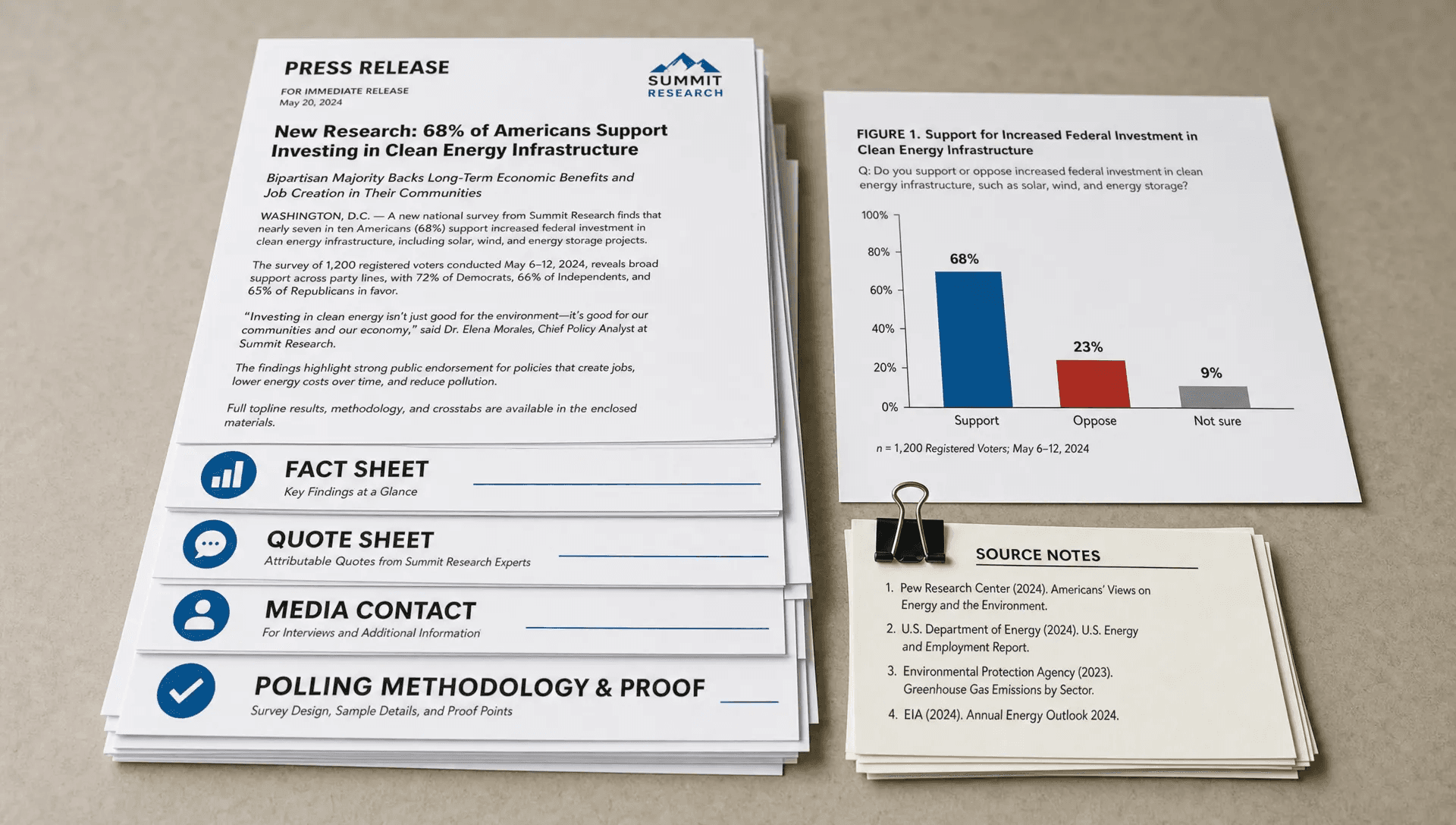
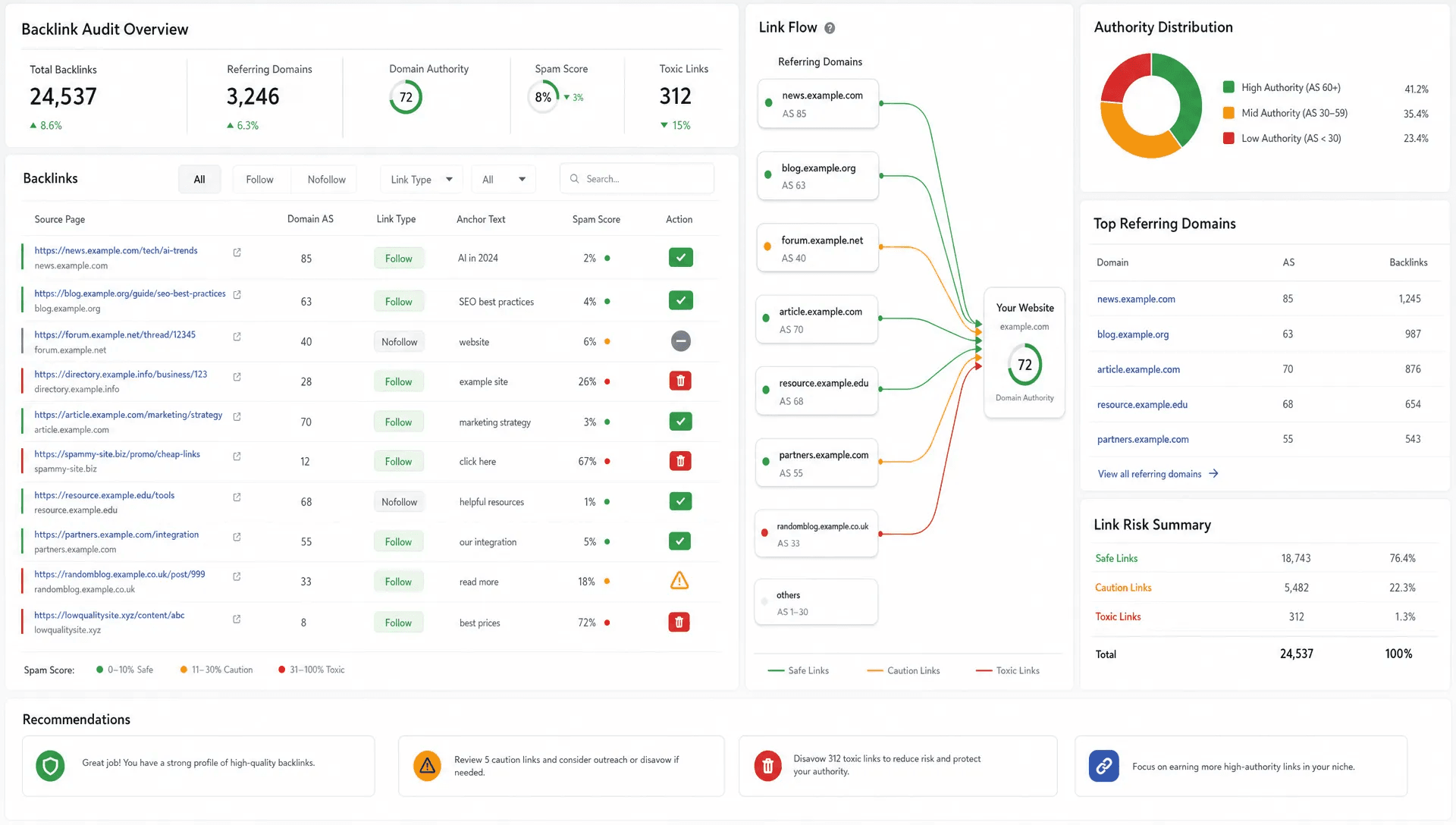
How to Find Press Outlets That Match Your Industry
Finding the right press outlets is about relevance, not volume. Learn how to map outlets by industry, audience, geography, and business goal so your press release earns more meaningful visibility.
Get featured on 500+ media outlets
Guaranteed placement, no PR experience needed.
Finding the right press outlets is not about collecting the biggest list of media contacts. It is about identifying the publications, syndication networks, trade journals, newsletters, and news sites whose readers actually care about your announcement.
A fintech launch does not need the same outlet mix as a skincare brand. A logistics SaaS company should not judge success by the same media signals as a consumer marketplace. When your outlet selection matches your industry, your press release has a better chance of earning relevant visibility, credible backlinks, qualified referral traffic, and social proof that buyers recognize.
This guide walks through a practical process for finding press outlets that fit your sector, audience, geography, and business goal.
Start With the Real Goal of Your Press Release
Before building a media list, define what the press release needs to accomplish. Many brands skip this step and go straight to “Where can we get published?” That usually leads to broad distribution without a clear strategy.
Your goal determines which outlets matter most. If you are announcing a funding round, investors and business readers may be the priority. If you are launching a direct-to-consumer product, lifestyle, shopping, and niche consumer outlets may be more valuable. If you are targeting enterprise buyers, trade publications and business news platforms can carry more weight than general consumer sites.
Common press release goals include:
- Building brand credibility with recognizable publication logos
- Supporting SEO with live backlinks from trusted domains
- Reaching a specific buyer audience in one industry
- Creating proof points for sales decks, ads, and landing pages
- Improving brand presence in search and AI-generated answers
- Announcing timely news such as a launch, partnership, award, expansion, or executive hire
Once you know the goal, you can separate “nice-to-have coverage” from outlets that actually support the business outcome.
Define Your Industry Category More Precisely
Most companies describe their industry too broadly. “Technology,” “health,” “finance,” or “retail” is not specific enough to find the best press outlets.
A better approach is to define your category at three levels: broad industry, vertical niche, and buyer context. For example, “software” becomes “B2B SaaS for accounting teams,” “health” becomes “telehealth for women over 40,” and “retail” becomes “sustainable e-commerce for pet owners.”
This level of specificity helps you identify outlets that already publish similar stories. It also helps you avoid pitching publications whose audience would not understand why your announcement matters.
| Broad industry | Better niche definition | Likely outlet focus |
|---|---|---|
| Technology | Cybersecurity software for mid-market companies | Security news, IT leadership, enterprise tech |
| Finance | Embedded payments for online marketplaces | Fintech, payments, e-commerce business |
| Health | At-home wellness product for busy parents | Consumer health, lifestyle, parenting |
| Retail | Luxury resale marketplace | Fashion business, sustainability, consumer shopping |
| Real estate | Property management platform for landlords | Proptech, real estate investing, small business |
The more precisely you define your category, the easier it becomes to judge whether an outlet is truly relevant or merely popular.
Understand What Each Press Outlet Actually Publishes
A press outlet may cover your general industry but still be a poor fit for your specific story. The fastest way to test fit is to review what the outlet has published recently.
Look at headlines from the last 30 to 90 days. Do they publish announcements, expert commentary, funding news, product launches, trend analysis, founder stories, or local business updates? Do they cover early-stage companies, or mostly large public companies? Are stories short and syndicated, or are they deeply reported features?
This matters because media outlets have editorial patterns. Some are built for breaking news. Some prefer thought leadership. Some focus on product discovery. Others publish press release syndication content but not journalist-written articles.
If you want to understand the editorial side more deeply, MediaBoost’s guide on how news media outlets decide which stories to publish explains the role of audience value, timing, credibility, and newsworthiness.
When reviewing an outlet, ask yourself three questions:
- Has this outlet covered companies like ours before?
- Would its readers immediately understand why our announcement matters?
- Does the outlet format match our story type?
If the answer is no, the outlet may not be worth prioritizing, even if it has a strong domain or recognizable name.
Build an Industry Outlet Map
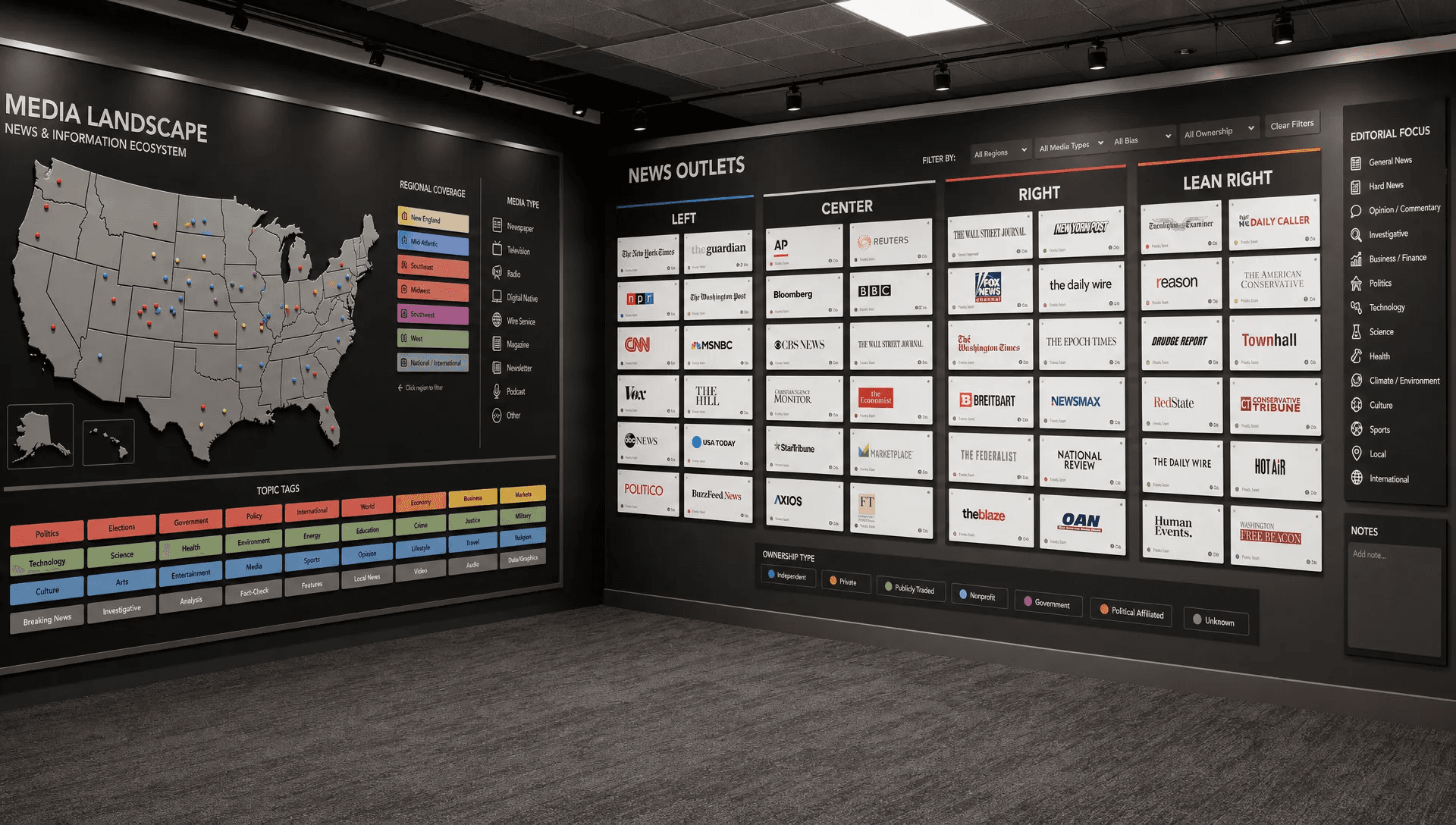
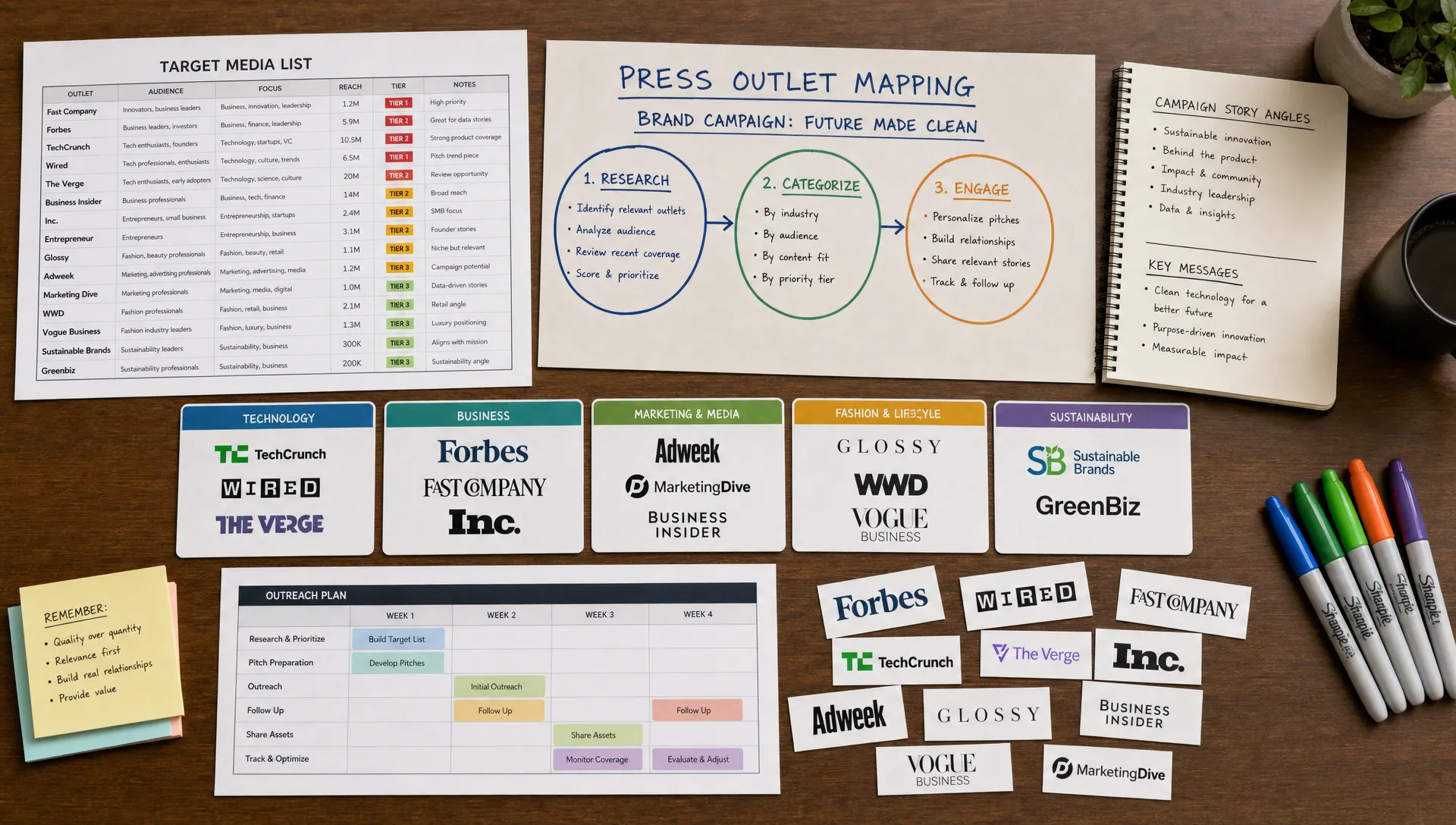
Instead of creating one long media list, build an outlet map by category. This gives you a more balanced strategy and prevents overreliance on either broad news sites or small niche blogs.
A strong outlet map usually includes four layers: premium business publications, industry-specific trade outlets, regional or local outlets, and niche community publications. Each layer plays a different role.
| Outlet type | Best for | Example evaluation question |
|---|---|---|
| National business outlets | Credibility, investor confidence, broad brand awareness | Would this outlet make our company look more established? |
| Industry trade outlets | Reaching qualified buyers and partners | Do decision-makers in our vertical read this? |
| Regional outlets | Local expansion, hiring, events, community trust | Does our location make the story more relevant? |
| Niche blogs and newsletters | Engaged audiences, category authority, early adopters | Is this audience highly aligned with our product? |
| Syndication networks | Scale, SEO proof, publication logos, visibility | Will this create verified live placements quickly? |
For example, an e-commerce brand might combine business outlets, retail technology sites, shopping publications, and consumer lifestyle outlets. A B2B software company might focus more on SaaS, small business, productivity, and industry-specific technology publications. A local business management product, such as a CRM data import and customer migration platform for SMEs, would likely benefit more from small business, software, and regional business outlets than from broad consumer lifestyle coverage.
This map helps you see where your story naturally belongs, instead of forcing it into outlets that do not match your market.
Use Competitor Coverage to Find Relevant Press Outlets
One of the simplest ways to discover industry-matched outlets is to study where similar companies have been featured.
Search for recent press releases, funding announcements, product launches, and partnership news from competitors or adjacent brands. Look beyond direct competitors. Adjacent companies often reveal publications that cover the same buyer audience without creating the exact same market narrative.
Useful searches include:
- “[Competitor name] press release”
- “[Competitor name] funding”
- “[Competitor name] partnership announcement”
- “[Industry keyword] product launch”
- “[Industry keyword] startup raises”
- “[Industry keyword] announces expansion”
When you find relevant coverage, record the publication, article format, topic angle, author if available, and whether the link is live. Over time, you will notice patterns. Some outlets may repeatedly cover your category. Others may only syndicate news from distribution wires. Both can be useful, but they serve different purposes.
Do not simply copy a competitor’s outlet list. Use it as a signal, then validate fit for your own news angle, geography, and audience.
Match Outlet Fit to Buyer Journey Stage
Not every press outlet influences buyers in the same way. A broad business publication may help someone recognize your brand, while an industry trade site may help them evaluate your expertise.
Think of outlet selection through the buyer journey.
Top-of-funnel outlets introduce your brand to a wider audience. These include business news sites, startup publications, lifestyle media, and consumer discovery platforms. They are useful when the main goal is awareness.
Middle-of-funnel outlets help buyers understand relevance. These include industry publications, comparison sites, professional newsletters, and specialized blogs. They are useful when your audience is actively learning about solutions.
Bottom-of-funnel trust signals help prospects feel safer choosing you. These include recognizable media logos, credible backlinks, and proof reports that your company has been covered or syndicated across reputable publications. This is where consistent press visibility can support sales pages, investor materials, partnership decks, and retargeting campaigns.
If you only target broad outlets, you may get visibility without relevance. If you only target niche outlets, you may miss broader credibility. The best strategy usually combines both.
Evaluate Outlet Quality, Not Just Quantity
A long list of placements looks impressive, but not all placements carry the same value. You should evaluate outlets based on quality signals that align with your goal.
Important signals include audience relevance, editorial credibility, topical authority, visibility in search, link quality, publication transparency, and whether the placement remains live. A smaller set of relevant outlets can outperform hundreds of unrelated mentions.
A practical scoring system can help. Rate each outlet from 1 to 5 across the categories below.
| Quality factor | What to check | Why it matters |
|---|---|---|
| Audience match | Reader profile, industry focus, topic history | Determines whether coverage reaches the right people |
| Editorial fit | Recent articles, accepted story types, tone | Increases the chance your announcement feels natural |
| Credibility | Brand recognition, editorial standards, transparency | Supports trust and social proof |
| Search value | Indexation, topic relevance, backlink status | Helps with SEO and discoverability |
| Business usefulness | Can the placement support sales, ads, or investor materials? | Connects media coverage to outcomes |
If an outlet scores low on audience match but high on visibility, it may still have value for broad awareness. If it scores high on audience match but lower on authority, it may still be useful for niche credibility. The key is knowing why each outlet belongs in your strategy.
For a deeper trust-focused framework, see MediaBoost’s guide on choosing media outlets that build real brand trust.
Consider Geography and Language
Industry fit is not only about topic. Geography and language can matter just as much.
A company expanding into the United States may prioritize U.S. business outlets, national syndication, and state-level publications. A brand launching in Europe may need a mix of regional business media and language-specific outlets. A local service business may benefit more from local news coverage than from global tech publications.
Geographic relevance is especially important for:
- Store openings and local launches
- Hiring or headquarters announcements
- Regional partnerships
- Real estate and construction projects
- Healthcare services with location-specific availability
- Government, nonprofit, and community initiatives
If your announcement has a location angle, make that clear in the release. Local outlets are more likely to care when the story affects jobs, customers, investment, events, or economic activity in their area.
Choose Between Direct Pitching and Distribution
Once you identify the right press outlets, decide how to reach them. There are two common routes: direct pitching and press release distribution.
Direct pitching works best when you have a highly tailored story, a specific journalist target, and enough time to personalize outreach. It can be effective for exclusive stories, founder interviews, data reports, or trend commentary.
Distribution works best when you need speed, scale, guaranteed submissions, and proof of live placements. It is especially useful for announcements that need broad visibility, backlinks, and publication evidence within a short timeframe.
Many brands use both. They distribute the press release for guaranteed reach, then pitch selected journalists with a more personalized angle. This creates a stronger media footprint than relying on one channel alone.
If you are still deciding where to send your release, MediaBoost has a practical guide on where to submit a press release that compares direct pitching, paid distribution, and free submission options.
Tailor the Press Release to the Outlet Mix
Finding the right outlets is only half the work. Your release also needs to match the expectations of those outlets.
A strong industry-matched press release should make the relevance obvious in the headline, first paragraph, quote, and supporting details. If you are targeting fintech outlets, the business impact should be clear. If you are targeting healthcare outlets, credibility and compliance-sensitive language matter. If you are targeting e-commerce outlets, customer benefit, market timing, and brand differentiation may matter more.
Avoid vague phrases like “revolutionary,” “game-changing,” or “disruptive” unless you support them with evidence. Editors and readers respond better to specifics: what changed, who benefits, why now, and what proof supports the announcement.
For industry-specific distribution, the best results often come from pairing a clear news angle with outlet categories that already cover similar topics.
A Simple Checklist for Finding Press Outlets That Fit
Use this checklist before finalizing your media list or distribution package:
- Define the business goal of the release before choosing outlets
- Narrow your industry from broad category to specific niche
- Review recent articles to confirm editorial fit
- Include a mix of business, trade, regional, niche, and syndication outlets
- Study competitor coverage, but do not copy it blindly
- Score outlets by relevance, credibility, search value, and business usefulness
- Consider geography, language, and buyer journey stage
- Match your press release angle to the outlet categories you want to reach
- Ask for proof reports or live links when using a distribution partner
This process keeps your campaign focused on meaningful visibility, not vanity placement counts.
Frequently Asked Questions
What are press outlets? Press outlets are publications, media platforms, news sites, trade journals, syndication networks, newsletters, and other editorial channels that publish news or industry content.
How do I know if a press outlet matches my industry? Review its recent coverage, reader profile, topic categories, and story formats. If the outlet regularly publishes companies, trends, or announcements similar to yours, it is likely a stronger fit.
Are niche industry outlets better than major publications? Not always. Major publications can build broad credibility, while niche outlets often reach more qualified readers. A balanced campaign usually includes both.
Should I pitch journalists directly or use a press release distribution service? Direct pitching is useful for personalized stories and exclusives. Distribution is better for speed, scale, guaranteed submissions, live links, and proof reporting. Many brands combine both.
How many press outlets should I target? It depends on your goal. A targeted journalist pitch may involve 20 to 50 carefully selected contacts, while a distribution campaign may reach hundreds of outlets. Relevance matters more than raw volume.
Get Industry-Matched Press Coverage Faster
Finding press outlets that match your industry takes research, judgment, and the right distribution strategy. The payoff is stronger credibility, more relevant backlinks, and coverage that supports your actual business goals.
MediaBoost helps brands get featured across 500+ trusted publications with industry-specific packages, done-for-you submissions, editorial review, guaranteed live backlinks, and proof reports. Campaigns can often be completed within 48 hours, making it easier to turn your announcement into credible media visibility without building every outlet list from scratch.
If you want your next press release to reach outlets that fit your market, start with a focused distribution strategy through MediaBoost.