How to Compare Link Building Agencies Before You Hire
Not all link providers are built the same. This guide shows you how to compare agencies by relevance, editorial quality, reporting, risk controls and brand fit before you commit.
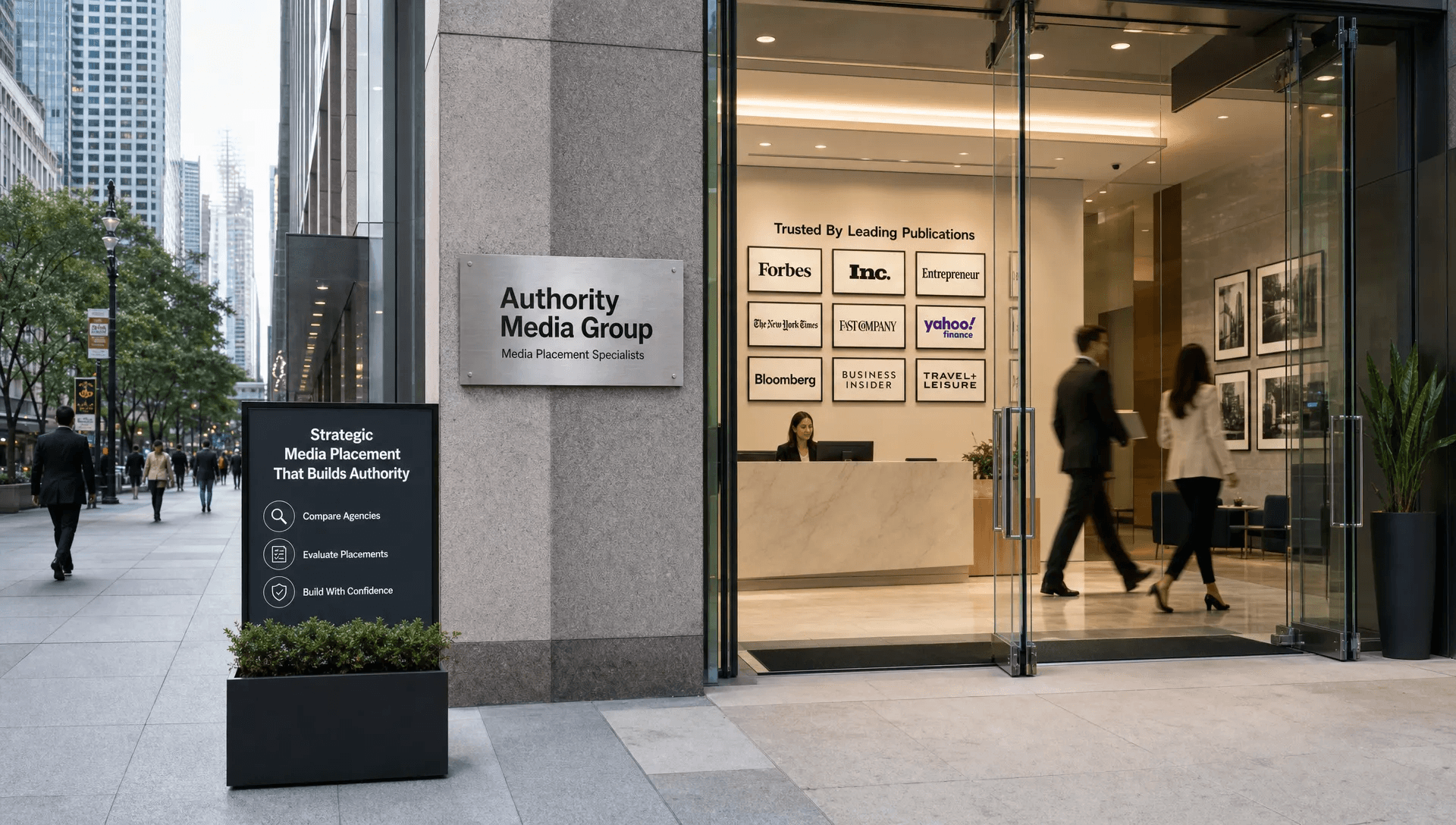
Get featured on 500+ media outlets
Guaranteed placement, no PR experience needed.
Hiring link building agencies should feel less like shopping for a commodity and more like choosing a partner that can protect your brand while improving search visibility. The challenge is that many providers sell similar promises: high authority sites, quick delivery, guest posts, outreach, digital PR, niche edits or packages with a fixed number of links. Before you sign a contract, you need a way to separate credible execution from vague sales language.
The right comparison process looks beyond domain metrics and link counts. A strong agency should be able to explain where placements come from, why those sites make sense for your market, how content is reviewed and what proof you receive after publication. If an agency cannot show its work before the deal, it probably will not be clearer after payment.
Why the comparison matters more in 2026
Search engines have become better at evaluating link context, topical relevance and patterns that look manufactured. At the same time, buyers, investors and AI search systems often use trusted third-party mentions as credibility signals. That makes link acquisition more valuable when it is done well and more dangerous when it is treated as a volume game.
The risk is not only an algorithmic issue. Low quality placements can put your brand next to spam, copied content, gambling pages or irrelevant categories. For agencies working on behalf of clients, one bad batch of links can create reporting problems, awkward client calls and expensive cleanup work.
A useful comparison should answer three questions: Will these placements help real people trust the brand? Will they support search visibility without creating unnecessary risk? Can the provider document the work in a way your team can verify?
A practical scorecard for link building agencies
A simple scorecard helps you compare link building agencies on the factors that actually affect results. You do not need a complicated procurement process, but you do need consistent criteria so you are not swayed by the flashiest sample report or the lowest price.
| Evaluation area | What to look for | Warning sign |
|---|---|---|
| Placement relevance | Sites and pages connected to your industry, audience or local market | Generic websites that publish every topic imaginable |
| Editorial standards | Human review, original copy and clear publication guidelines | Thin articles, spun content or no explanation of review process |
| Link context | Natural anchor text and surrounding copy that fits the page | Exact match anchors repeated across unrelated posts |
| Transparency | Sample reports, live URL proof and clear timelines | Screenshots only, no live links or vague delivery claims |
| Risk controls | Brand safety checks, no PBNs and no obvious link schemes | Huge volume promises at very low prices |
| Reporting | Publication names, URLs, link attributes and status checks | A spreadsheet with metrics but no context |
If you want a deeper checklist for due diligence, MediaBoost also explains what link building companies should prove before you hire, including placement quality, relevance and reporting expectations.
Start with your goal before you compare vendors
Before you compare link building agencies, define what you want the campaign to accomplish. A SaaS company trying to support competitive SEO pages has different needs than a local medical practice, a funded startup announcing a milestone or an agency that needs clean deliverables for client reporting.
Common goals include improving authority around a topic, supporting a new content hub, earning media proof for sales materials, strengthening branded search results or building trust signals for AI search visibility. Each goal changes the type of placement that makes sense. Digital PR, editorial outreach, press release distribution and niche content placements are not interchangeable.
This is also where you should decide how much control you need. Some brands need to pre-approve publications and copy. Others care more about turnaround time and proof of publication. The clearer your goal, the easier it becomes to reject offers that look attractive but do not solve the right problem.
Verify placement quality beyond DA, DR and traffic estimates
The best link building agencies will talk about relevance before they talk about metrics. Domain Authority, Domain Rating and traffic estimates can be useful filters, but they are not proof that a link will help your brand. A high metric site with a weak article, poor topical fit or suspicious outbound link pattern may be less useful than a smaller publication that directly serves your audience.
Look at sample placements the same way a buyer would. Does the article read like it belongs on the site? Is the link surrounded by useful context? Does the publication have real categories, real authors and a history of covering similar topics? Are there signs that every article exists only to sell outbound links?
For a deeper view on this issue, MediaBoost has a guide on how to compare a backlink service without chasing metrics. The main lesson is simple: metrics should support your decision, not replace judgment.
Ask how links are earned, reviewed and documented
When link building agencies describe their process, listen for specifics. A credible provider should be able to explain how it sources opportunities, how it evaluates sites, what content standards it uses and what happens if a placement is rejected or delayed. If every answer is reduced to “we have relationships,” ask for more detail.
You should also understand the review workflow. Who writes the content? Can your team provide brand guidelines? Are sensitive industries handled differently? Is anchor text selected by SEO context, brand safety or both? These questions matter because a technically live backlink can still be a poor business asset if the surrounding content is weak.
Documentation matters just as much as delivery. At minimum, a report should show the live URL, publication name, target URL, anchor text, link attribute, publication date and status. Agencies managing client campaigns should also expect reports that are easy to forward without heavy editing. MediaBoost covers this in its article on client-ready proof reports.

Compare link building agencies by risk controls and brand fit
To compare link building agencies properly, include brand safety in the conversation early. A provider that is acceptable for an affiliate site may not be suitable for a healthcare organization, financial brand, legal practice or B2B company with strict compliance requirements.
For example, a healthcare buyer assessing placements for a specialized organization such as a Midtown Manhattan psychiatry and psychology practice should expect tighter relevance, careful wording and cleaner publication context than a lifestyle ecommerce brand might require. The same principle applies to any sensitive vertical: the link environment should reinforce trust rather than raise questions.
Brand fit also includes geography, audience and tone. A local service business may value regional media, city publications and industry directories. A startup may prefer business publications, founder interviews and funding announcement coverage. A technical B2B brand may need niche trade publications where the audience actually understands the product category.
Understand pricing without falling for cheap volume
Some link building agencies price by placement, some sell monthly retainers and others package link acquisition with content, PR or SEO strategy. None of these models is automatically better. The question is whether the price reflects editorial effort, quality control, publication access, reporting and risk management.
Cheap packages usually reduce cost by cutting time from one or more of those areas. That can mean lower quality sites, recycled content, generic anchors or weak reporting. Expensive packages can also be poor value if they hide behind premium language without showing a clear process.
Use this table to make quotes easier to compare:
| Quote component | What it should clarify |
|---|---|
| Deliverables | Number and type of placements, not just “links” |
| Publication standards | Minimum relevance, editorial quality and exclusion criteria |
| Content responsibility | Who writes, edits and approves copy |
| Timeline | Expected delivery window and what can cause delays |
| Replacement policy | What happens if a link is removed or never goes live |
| Reporting | What proof is delivered and how status is verified |
A fair quote should leave you knowing what you are buying, what you are not buying and what tradeoffs come with the package.
Red flags that should stop the conversation
Strong link building agencies do not need to pressure you with unrealistic guarantees. They can explain likely outcomes without promising rankings, traffic spikes or permanent placement control they do not own.
Be cautious if you hear any of the following:
- “Guaranteed first page rankings” tied directly to a link package
- “Any anchor text you want” with no concern for natural context
- “Hundreds of links this week” with no publication review
- No sample reports or only blurred screenshots
- No clear answer about link attributes, removals or replacements
- Sites that publish unrelated topics in bulk every day
- A refusal to discuss brand safety or prohibited categories
One red flag may not disqualify a provider, but several together usually point to a process built for volume rather than quality.
Questions to ask before you hire
When you are close to making a decision, ask each vendor the same questions and compare the answers side by side. This makes sales calls more useful and prevents one provider from winning only because they sounded more confident.
Ask questions such as:
- What does a successful placement look like for our industry?
- Can we see recent examples from similar campaigns?
- How do you decide whether a site is relevant enough?
- What anchor text approach do you recommend for our backlink profile?
- Who approves the content before publication?
- What proof will we receive when the link is live?
- How do you handle removed links or delayed placements?
- Which tactics do you refuse to use?
The final question is especially useful. Reputable providers should have boundaries. If an agency claims it can do everything for every budget, it may not have enough standards.
Where MediaBoost fits into the comparison
Some link building agencies focus on cold outreach, some focus on guest posting and some focus on digital PR. MediaBoost is best evaluated when your strategy includes press release distribution, media placement and documented proof of live coverage across trusted publications.
MediaBoost offers done-for-you submissions, industry-specific packages, editorial review, live links and proof reports, with packages that can often be completed quickly. For brands that need third-party visibility, social proof and stronger presence across search and AI discovery surfaces, that combination can be useful as part of a broader authority strategy.
The key is to match the service to the job. If your only goal is highly customized outreach to a small list of niche bloggers, compare providers through that lens. If your goal includes broad media visibility, credible publication logos and verified placements, MediaBoost belongs on your shortlist.
Frequently Asked Questions
How many providers should I compare before hiring one? Compare at least three providers if the budget is meaningful. This gives you a realistic view of pricing, process quality, reporting standards and risk controls without turning the decision into a months-long procurement cycle.
Are high authority links always better? No. Authority metrics can help filter opportunities, but relevance, editorial context, link placement and brand safety matter more. A link from a contextually relevant publication can be more valuable than a higher metric site with weak or unrelated content.
Should I choose a monthly retainer or a one-time package? Choose based on your goal. A one-time package can support a launch, announcement or credibility push. A retainer may make sense if you need consistent authority building, ongoing reporting and a long-term content or PR strategy.
What proof should I expect after links go live? Most link building agencies should provide live URLs, publication names, target pages, anchor text, link attributes and publication dates. For client work, reports should be clear enough to share directly with stakeholders.
Can link building guarantee rankings? No provider can honestly guarantee specific rankings from links alone. Links can support authority and visibility, but rankings also depend on content quality, technical SEO, search intent, competition and overall site trust.
Build links with evidence, not assumptions
Choosing among link building agencies is easier when you compare evidence instead of promises. Look for relevant placements, editorial standards, transparent reporting, sensible anchor text and a process that respects your brand risk.
If you want media placements with documented proof, live links and done-for-you execution, MediaBoost can help you build visibility across trusted publications without turning the process into guesswork. Use the same scorecard, ask the hard questions and choose the partner that can show exactly what your brand will receive.