Guaranteed Media Placement: What Brands Should Know First
Guaranteed media placement can build credibility fast, but the details matter. Learn what a real guarantee includes, what it cannot promise and how to measure value after links go live.

Get featured on 500+ media outlets
Guaranteed placement, no PR experience needed.
Guaranteed media placement can be a useful shortcut to credibility, but it is not magic. For founders, marketers and agency teams, the appeal is obvious: instead of waiting months for unpredictable journalist replies, you secure published coverage across known media outlets and receive live links you can use in sales, investor updates, search results and social proof.
The challenge is that the phrase can mean very different things depending on the provider. Some services guarantee syndication across a media network. Others promise a single featured placement on a named publication. Some include editorial review and proof reporting, while others deliver low-value pages that may not match your audience or brand goals.
Before you buy, you need to know what is being guaranteed, what is not being guaranteed and how the placement will support your broader growth strategy.
What guaranteed media placement actually means
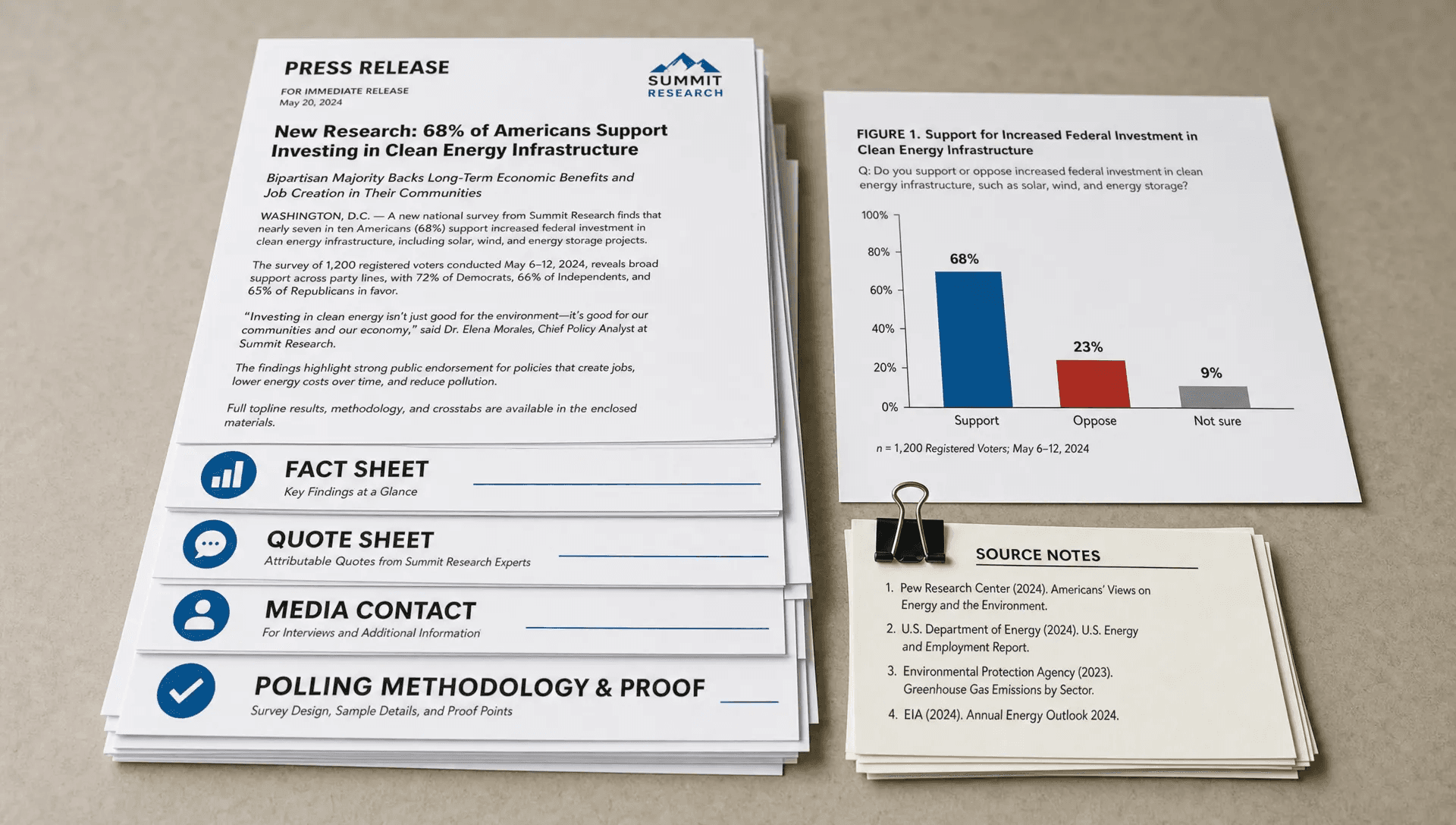
Guaranteed media placement usually means a provider commits to getting your approved announcement, article or press release published on one or more media outlets. The guarantee may cover outlet inclusion, live publication, link delivery, turnaround time or reporting.
That is different from traditional earned PR. In earned PR, a journalist or editor independently chooses whether your story deserves coverage. There is no guaranteed publication date, link or headline. The upside can be strong, especially when the story earns deep editorial attention. The downside is uncertainty.
Guaranteed placement sits closer to paid or sponsored distribution. It gives brands more predictability, especially when they need visible proof quickly. This is why it is often used for launches, funding announcements, executive appointments, product updates, marketplace openings, local expansion and trust-building campaigns.
The key is transparency. A good provider should explain the format of the placement, the outlets involved, the review process, the expected timeline and what proof you will receive after publication.
If you are still comparing the broader category, MediaBoost has a separate guide on how to choose an online press release service that covers provider evaluation in more detail.
What brands usually want from guaranteed placement
Most brands do not buy media placement just to say they were published. They buy it because published media can support business outcomes that are difficult to get from owned channels alone.
For early-stage companies, coverage can make a brand feel more established. When prospects, investors or partners search the company name and find mentions on recognizable publications, the brand has more proof than a bare website and social profiles.
For growing companies, placement can support search visibility. Media pages can create additional brand search results, reinforce important company facts and send referral signals from external domains. This does not replace a strong SEO strategy, but it can complement one.
For sales teams, media logos and live articles can reduce friction in conversations. A prospect may not read every article, but a credible third-party mention can help answer the unspoken question: “Is this company real, active and trusted?”
For AI visibility, the benefit is still emerging, but the logic is simple. AI search systems and answer engines rely on accessible public information across the web. Consistent, well-written brand mentions on reputable sites may make it easier for those systems to identify what your company does, where it operates and why it is relevant. No provider should promise control over AI answers, but media placement can help expand the public footprint that AI tools may encounter.
What a legitimate guarantee should cover
The word “guaranteed” should never be vague. If a provider cannot define the deliverable clearly, treat that as a warning sign.
A legitimate guaranteed media placement offer should answer these questions before you pay:
- Which outlets or outlet categories are included?
- Is publication guaranteed or only submission?
- Will the content go through editorial review?
- What type of link will be included, if any?
- How long does publication usually take?
- Will you receive live URLs and a proof report?
- What happens if a placement is rejected or delayed?
Here is a practical way to interpret common promises.
| Promise | What it can mean | What to verify |
|---|---|---|
| Guaranteed submission | The provider will send your content to outlets or a network | Submission does not always equal publication |
| Guaranteed placement | Your content will be published on specified or qualifying outlets | Confirm the exact outlets, format and timeline |
| Guaranteed live links | Published pages will include links to your site | Ask whether links are branded, contextual, follow or nofollow |
| Guaranteed turnaround | Delivery is expected within a stated period | Confirm whether the clock starts after content approval |
| Guaranteed reporting | You receive proof of publication | Make sure reports include live URLs, outlet names and publication dates |
This distinction matters because “we submit to 500 outlets” is not the same as “you will receive live placements across 500 outlets.” Reach claims can sound impressive, but your actual value comes from published URLs, relevant outlets, credible presentation and usable proof.
What guaranteed media placement cannot promise
Guaranteed placement can control distribution, but it cannot control every outcome that follows publication. This is where brands often develop unrealistic expectations.
A media placement provider should not guarantee viral traffic, national TV pickup, first-page Google rankings, journalist interviews or permanent editorial endorsement unless those specific deliverables are written into the agreement and genuinely controllable.
Even when the content goes live on reputable outlets, performance depends on the strength of the story, the authority of the publication, the search demand for your brand, the competitiveness of your category and how you reuse the placement after publication.
A placement is an asset. It becomes more valuable when your team activates it across sales, investor relations, website trust sections, email campaigns, paid retargeting, founder profiles and partner outreach. If you publish coverage and never use it, you leave much of the value on the table.
When guaranteed media placement makes the most sense
Guaranteed placement is most useful when you have a clear announcement, a specific credibility gap or a deadline that traditional PR cannot reliably meet.
A startup launching a new product may need third-party validation before running paid acquisition. A B2B company entering a new market may need search results that prove local relevance. An agency may need predictable deliverables for clients who expect measurable media outcomes. A founder preparing for investor conversations may want credible links that support a funding narrative.
It also works well when the story is factual and timely. Examples include:
- New product or platform launches
- Funding, grants or major business milestones
- Partnerships and integrations
- Market expansion or new office openings
- Awards, rankings or third-party recognition
- Data reports, surveys or industry insights
- Event announcements and ticket sales campaigns
For example, an event organizer using a next-gen event ticketing platform could use guaranteed media placement to announce a major conference, highlight a new ticketing experience and build trust before early-bird sales close.
The stronger the underlying announcement, the stronger the placement will feel. Guaranteed distribution cannot turn a weak or self-serving update into a compelling story. It can, however, help a clear announcement reach more credible surfaces faster.

How to judge outlet quality before buying
Not every placement has the same value. A smaller outlet with strong audience fit may do more for credibility than a broad outlet that has no relevance to your buyers. Before purchasing, review the provider’s outlet list or outlet categories through the lens of trust, not only reach.
Good outlet evaluation starts with audience alignment. If your customers are investors, executives or finance professionals, business and finance outlets may matter most. If your customers are local consumers, regional media may carry more practical trust. If your buyers are technical teams, industry-specific publications may be better than general syndication.
You should also consider how the placement will appear. Is it clearly formatted as a press release? Is the headline professional? Is the publication indexed? Does the page include your company name, core message and link accurately? Will the outlet look credible if a prospect opens it during a sales process?
MediaBoost’s guide on choosing media outlets that build real brand trust is useful if you want a more structured outlet scorecard.
Red flags that should make you pause
The guaranteed placement market includes reputable providers, but it also includes low-quality offers that rely on inflated numbers. If a package sounds cheap, massive and effortless, look closely at the fine print.
Be careful with providers that refuse to show sample reports, avoid naming outlet types, promise unrealistic SEO outcomes or focus only on domain metrics without explaining audience relevance. A high domain rating does not automatically mean a placement will build trust with your buyers.
You should also be cautious when the provider guarantees “editorial coverage” but cannot explain whether the content is sponsored, syndicated, contributed or independently reported. These formats are not interchangeable. A press release placement can be valuable, but it should not be misrepresented as a journalist-written feature.
Other warning signs include unclear refund terms, no editorial review, no approval process, copied templates, vague “as seen on” claims and reports that contain screenshots without live links.
If your team has wasted spend on distribution before, this MediaBoost article on press release distribution mistakes that waste budget covers several issues worth avoiding.
What to prepare before you order placement
The best guaranteed placement campaigns start before distribution. Your provider can help with formatting and submission, but your brand needs a clear, credible story.
Start by defining the business purpose of the campaign. Are you trying to support a launch, improve branded search results, give sales teams better proof, strengthen investor confidence or create media assets for a client? The goal will shape the headline, outlets, call to action and reporting priorities.
Then gather the facts that make the story credible. A good press release or announcement usually needs specific details: who is involved, what changed, why it matters, when it happened and how readers can learn more. If you can add customer relevance, data, quotes or market context, the piece will read less like advertising and more like a real business update.
Your website should also be ready. If the media placement sends readers to a landing page that is outdated, slow or unclear, the credibility boost weakens. Make sure your homepage, product page, press page and contact details match the announcement.
Finally, decide how you will use the placements after they go live. You may want to add selected logos to your website, include links in investor updates, share coverage with your email list, equip sales reps with proof links or cite the announcement in future outreach.
What should be in a proof report
A proof report is one of the most important parts of a guaranteed media placement campaign. Without it, your team may struggle to verify delivery or reuse the coverage effectively.
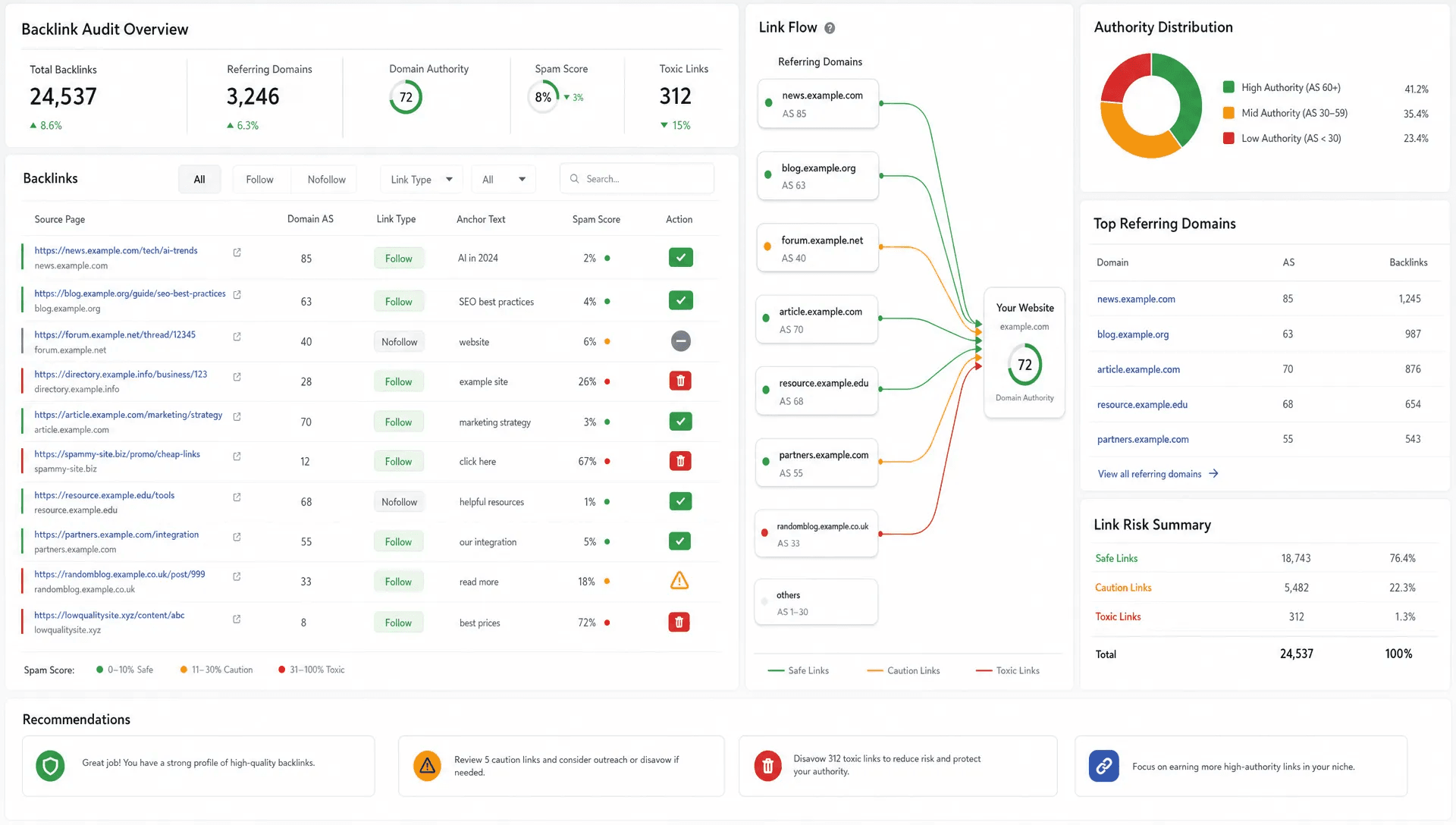
At minimum, a useful report should include the outlet name, live URL, publication date and placement status. Stronger reports may also include link details, headline information, screenshots and notes on any delayed or replacement placements.
The report should be easy to share internally. If your founder, client, sales lead or investor relations team cannot quickly understand what was delivered, the report is not doing its job.
For agencies, proof reporting is especially important because clients expect transparency. A clean report can turn media placement from a vague PR activity into a concrete deliverable with visible assets.
How to measure value after publication
Guaranteed placement should be measured across more than one metric. Traffic is useful, but it is rarely the whole story. Many media placements create value through credibility and search presence even when referral traffic is modest.
A balanced measurement framework might include branded search results, referral visits, assisted conversions, sales usage, investor response, backlink indexing, share of voice and the quality of conversations that happen after the campaign.
For SEO, check whether the pages are indexed and whether your brand search results improve. For sales, ask whether reps are using the links and whether prospects mention seeing the coverage. For reputation, review whether the placement accurately communicates your category, positioning and proof points.
This is also where AI visibility becomes relevant. You can monitor how your brand appears in AI-powered search tools over time, but treat this as a long-term signal rather than an instant campaign result. Public web consistency matters, and media placement is one way to create that consistency.
How MediaBoost approaches guaranteed placement
MediaBoost is built for brands that want predictable press release distribution and media placement across trusted publications. The service is designed around guaranteed submissions, live links, proof reports, editorial review and industry-specific packages, with campaigns often completed quickly, in many cases within 48 hours.
That combination is useful for brands that need visibility without managing every submission manually. Done-for-you distribution can save time, but the bigger value is clarity: you know what is being delivered, where the campaign is going and how you will verify results.
As with any PR investment, the best results come when the placement supports a real business moment. A strong announcement, matched with relevant outlets and backed by clear proof, gives your team assets it can reuse long after the initial publication date.
Frequently Asked Questions
Is guaranteed media placement the same as earned media? No. Earned media is independently selected by journalists or editors without a guaranteed outcome. Guaranteed media placement usually involves paid distribution, sponsored placement or syndication where publication is part of the service agreement.
Does guaranteed media placement help SEO? It can support SEO by creating external brand mentions, live links and additional search results for your company name. Results vary based on outlet quality, indexing, link attributes, content relevance and how the placements fit into your broader SEO strategy.
Can a provider guarantee placement on major outlets? A provider can only guarantee what it has direct access to or a defined distribution process for. Always ask whether named outlets are guaranteed, examples are available and replacement terms exist if a placement does not go live.
How fast can guaranteed placements go live? Timelines vary by provider, outlet and content approval process. Some campaigns can be completed in a short window, especially when the release is ready and the outlet network is established.
What should I ask before buying a guaranteed media placement package? Ask what is guaranteed, which outlets are included, whether editorial review is provided, what links are allowed, when publication will happen, what the proof report includes and what happens if an outlet rejects or delays the content.
Turn media placement into a usable growth asset
Guaranteed media placement works best when it is treated as part of a credibility system, not a one-off vanity purchase. The right campaign gives your brand published proof, stronger search presence and assets your sales, marketing and leadership teams can use repeatedly.
If you are ready to distribute a press release across trusted publications with live links, editorial review and proof reporting, explore MediaBoost’s guaranteed media placement options at MediaBoost.